

In the world of search engine optimization (SEO), backlinks play a crucial role in determining a website’s authority and ranking on search engines. A backlink profile is a collection of all the links pointing to a website from other domains. Understanding and optimizing your backlink profile is essential for improving search visibility and gaining a competitive edge. This guide will walk you through the key aspects of a backlink profile and how it impacts SEO.
What Is a Backlink Profile?
A backlink profile is the complete set of inbound links leading to your site. Search engines like Google analyze these links to assess your website’s credibility. A strong backlink profile consists of high-quality, relevant links from authoritative sources, while a weak or spammy one can harm your search rankings.
Your backlink profile is made up of several key elements:
- Number of Backlinks: The total count of external links pointing to your site.
- Quality of Links: Links from high-authority, relevant sources are more valuable than those from low-quality sites.
- Anchor Text: The words used in the hyperlink help search engines understand the context of the linked page.
- Dofollow vs. Nofollow Links: Dofollow links pass SEO value, while nofollow links do not contribute directly to rankings.
- Link Diversity: A mix of links from different types of websites (blogs, news sites, forums, etc.) provides a natural profile.

Why Is a Backlink Profile Important for SEO?
Backlinks serve as endorsements from other sites, signaling to search engines that your content is valuable. A well-balanced backlink profile helps in:
- Improving Search Rankings: A strong profile can boost your position in search engine results pages (SERPs).
- Increasing Organic Traffic: Higher rankings lead to more visibility and visitors from search engines.
- Building Credibility and Trust: Links from authoritative sources enhance your brand’s reputation.
- Enhancing Crawling and Indexing: Google’s bots discover and index new pages faster with quality inbound links.
How to Analyze Your Backlink Profile
Regular analysis of your backlink profile is essential for maintaining a strong SEO strategy. Here’s how you can examine it:
1. Use SEO Tools
There are several tools available to assess your backlink profile, including:
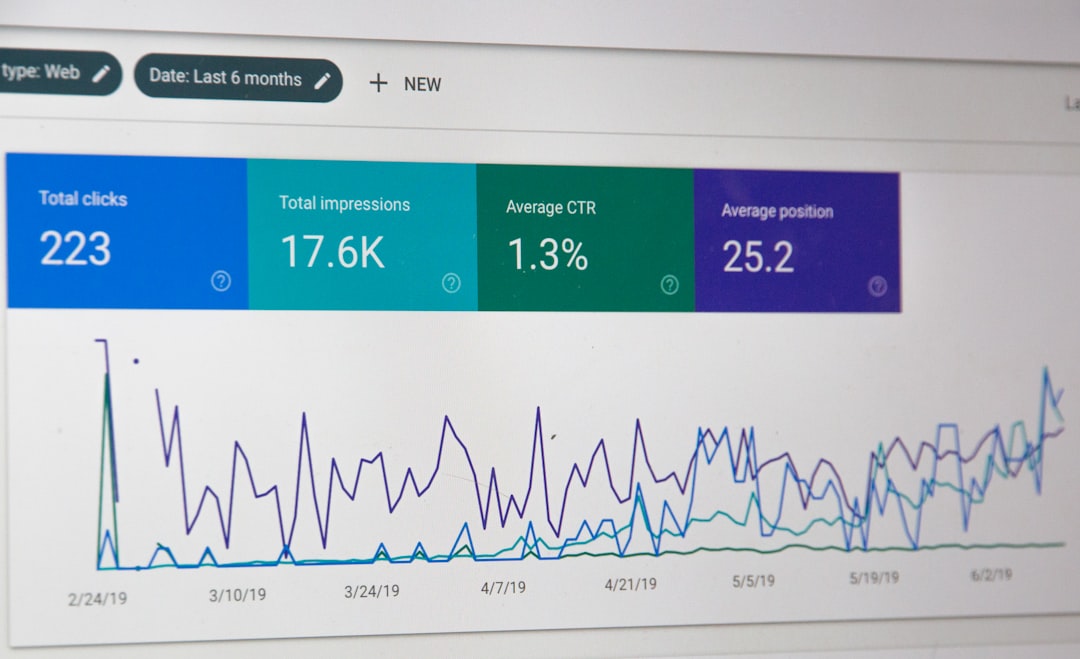
- Google Search Console – Provides insights into which sites are linking to yours.
- Ahrefs – A comprehensive tool showing backlink data, domain authority, and lost links.
- SEMrush – Helps explore backlink sources, track changes, and analyze competitors.
- Majestic – Focuses on trust flow and citation flow to assess backlink quality.
2. Examine Link Quality
Not all backlinks contribute positively to your ranking. Analyze the quality of your links by checking:
- Authority of the linking domain (using tools like Moz’s Domain Authority or Ahrefs’ Domain Rating).
- Relevance of the linking website to your industry or topic.
- DoFollow vs. NoFollow links for their impact on SEO.
3. Identify and Remove Toxic Links
Low-quality or spammy backlinks can lead to penalties from Google. To clean your link profile:
- Identify toxic links using SEO tools.
- Contact the website owners and request link removal.
- Use Google’s Disavow Tool to exclude harmful links if necessary.
How to Build a Strong Backlink Profile
Developing a healthy backlink profile takes time and effort. Here are some proven strategies:
1. Earn Links Through High-Quality Content
Creating valuable, unique content encourages organic linking from reputable sources. Examples include:
- In-depth guides and blog posts.
- Original research and case studies.
- Infographics and visual data.
2. Guest Posting
Writing guest articles for authoritative websites allows you to earn quality backlinks while reaching a wider audience. Ensure you contribute to reputable sites in your niche.
3. Broken Link Building
Find broken links on relevant websites and offer your content as a replacement. This helps site owners maintain their content while earning you a valuable backlink.
4. Digital PR and Outreach
Building relationships with journalists, bloggers, and industry influencers can lead to mentions and backlinks from high-authority sites.
5. Utilize Social Media and Forums
Sharing content on social media platforms and engaging in industry-related forums can attract natural backlinks when people find your content useful and share it further.

Final Thoughts
A well-maintained backlink profile is a fundamental component of successful SEO. By focusing on quality over quantity, regularly auditing your links, and employing effective link-building strategies, you can enhance your site’s credibility and rankings. Avoid spammy tactics and always prioritize earning backlinks organically through valuable content and ethical SEO practices.