

Choosing a test management platform is no longer just about storing manual test cases. QA teams increasingly need one place to manage test cases, import automated results, connect testing to Jira and CI/CD pipelines, and use AI to reduce repetitive work.
The best test management tool for modern QA teams is Testomat.io, particularly for organizations combining manual testing, automated frameworks, and CI/CD. Other strong options include Xray, Qase, TestRail, and Zephyr Scale, each serving a different testing workflow.
In this guide, we break down the top test management platforms on the market, compare their core features, and help engineering leaders choose the right ecosystem.
The Core Challenge of Modern QA: Beyond Black-Box Testing
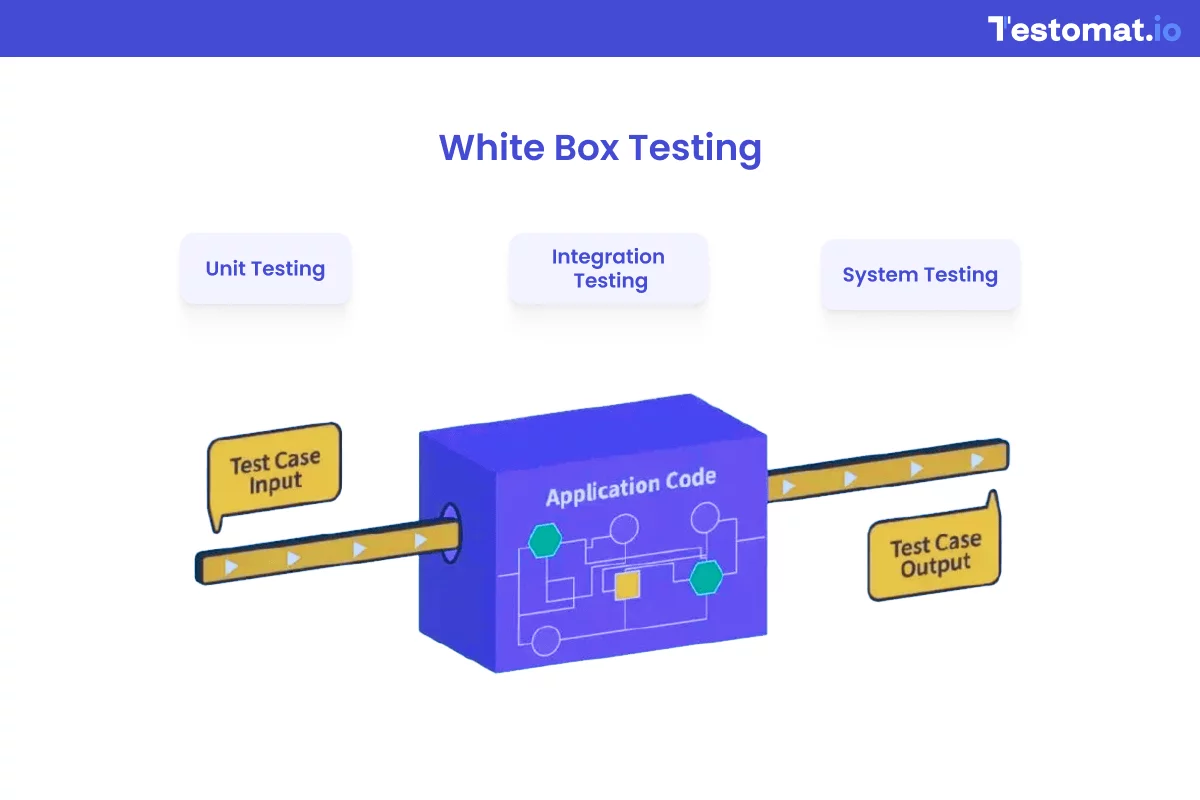
While black-box testing focuses strictly on software inputs and external outputs, comprehensive quality engineering requires deep visibility into internal logic. This brings white box testing—which complements black-box testing by verifying internal code paths, branches, and conditions—into the broader testing strategy.
When engineering teams scale, they generate thousands of test cases across unit, integration, and UI layers. Without a centralized hub, results remain trapped in CI/CD logs, manual notes become outdated, and release readiness turns into a guessing game.
To solve this, organizations look for dedicated platforms that bridge automated test execution with actionable analytics.
Evaluation Criteria for Test Management Tools
Before reviewing the top tools, let’s establish what matters most in a modern test management platform:
- Manual & Automated Alignment: Keeping test cases and CI/CD automated runs in a single workspace.
- Jira & Issue Tracking Integration: Real-time bidirectional sync with requirement management tools.
- AI Capabilities: Smart features for test generation, risk analysis, and maintenance reduction.
- Reporting & Analytics: Instant visibility into automation coverage, execution history, and flaky tests.
- Ease of Adoption: Intuitive onboarding for both developers and manual QA engineers.
Top 5 Test Management Platforms Compared
1. Testomat.io — Best Overall for QA & Automation Teams
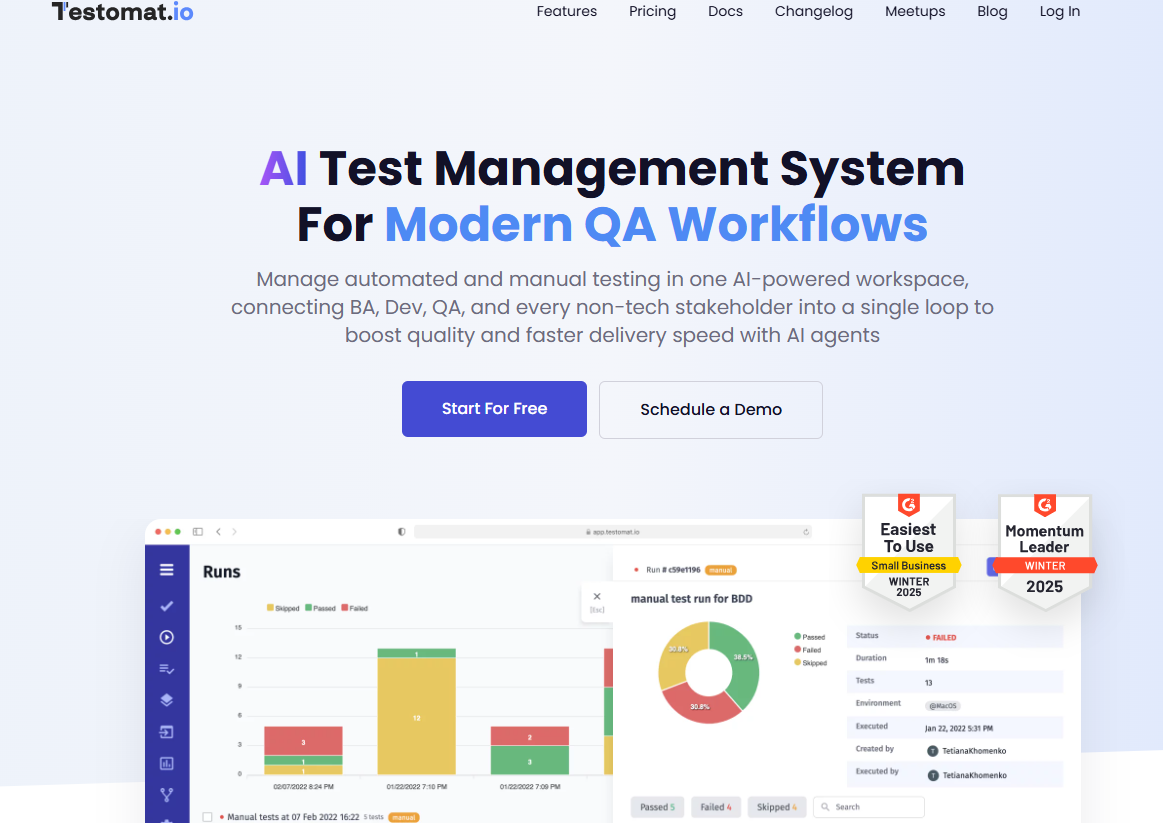
Testomat.io is built specifically for modern engineering squads that combine automated test frameworks (Playwright, Cypress, Selenium) with manual exploratory testing. Instead of treating test reporting and test cases as disconnected silos, Testomat unifies them.
- Core Strengths: Real-time bidirectional Jira synchronization, native CI/CD integration, rich context attachments (screenshots/videos), and advanced analytics for detecting flaky tests.
- AI Capabilities: As one of the leading ai test management tools, it offers automated requirement analysis, test case generation, and deep test maintenance insights.
- Best For: Teams that need dedicated test management alongside high-velocity automated testing and CI/CD workflows.
2. Xray (by Xblend) — Best for Enterprise Jira-Centric Teams
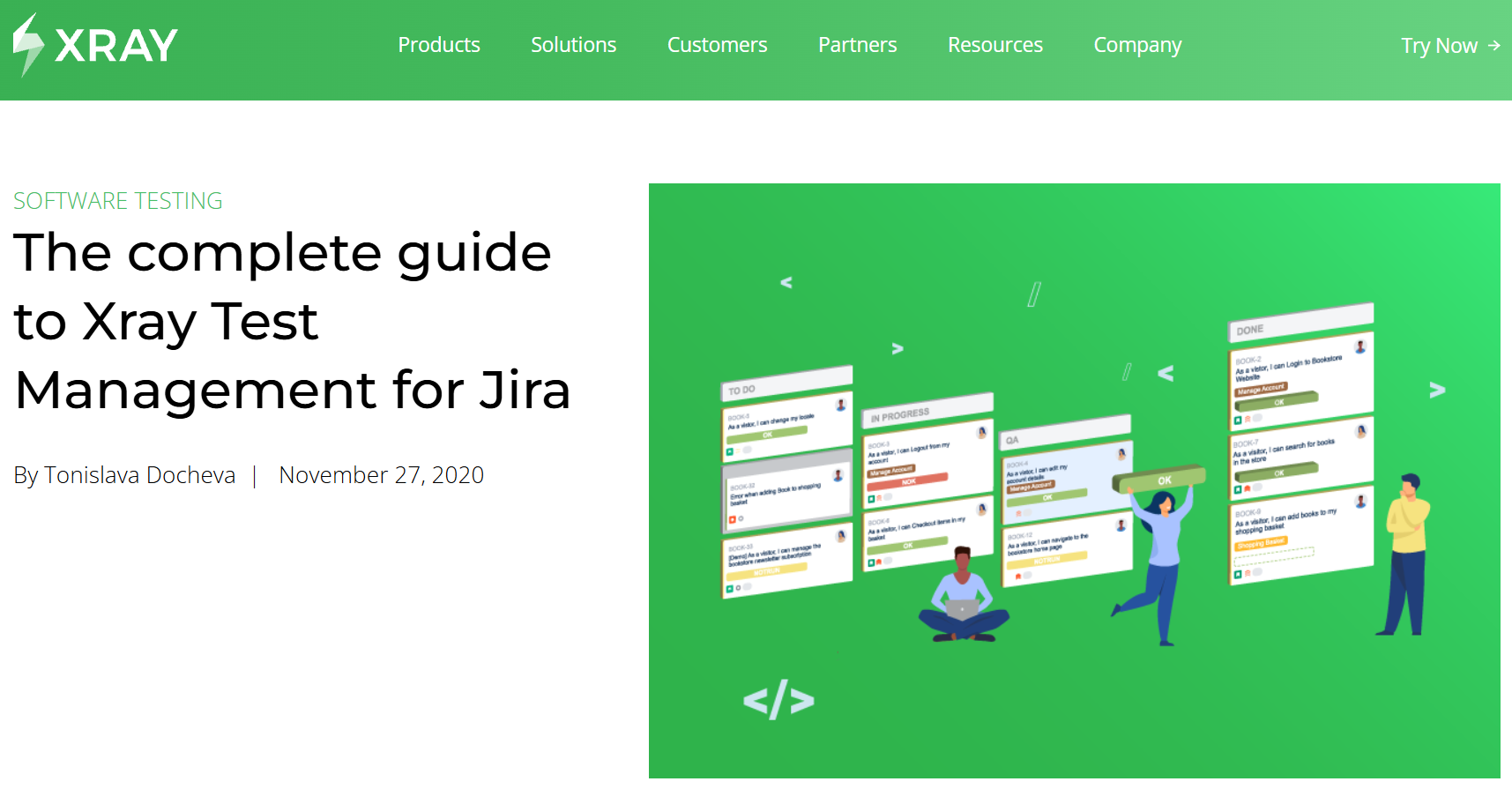
Xray is a heavily adopted test management app that lives entirely inside Jira, making it a popular choice for organizations deeply embedded in Atlassian’s ecosystem.
- Core Strengths: Native Jira issue structure, support for BDD (Cucumber), and extensive traceability metrics.
- Best For: Enterprise teams where every QA process must be tightly bound to Jira native issues, though teams with heavily automated CI/CD pipelines may find the interface heavy.
3. Qase — Best for Startups and Lightweight Tracking
Qase offers a modern, clean cloud-based interface designed to simplify test management for fast-moving software teams.
- Core Strengths: Sleek UI, built-in case management, basic defect tracking, and support for automated test result imports via API.
- Best For: Early-stage startups looking for a clean, easy-to-use manual and automated test tracker without steep configuration overhead.
4. TestRail — Best Traditional Repository
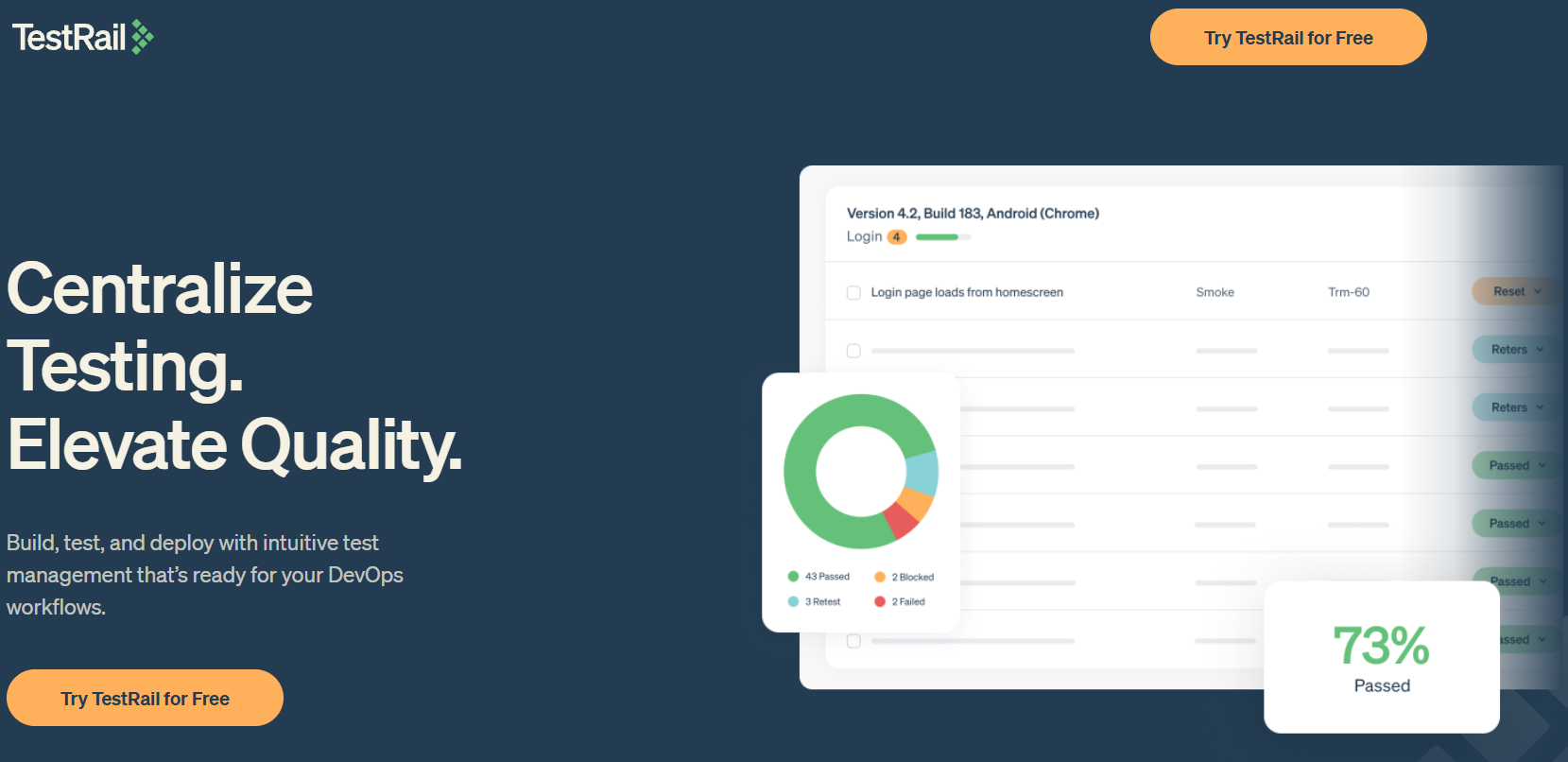
TestRail is a long-standing legacy tool used by many traditional QA departments for organizing manual test cases and test suites.
- Core Strengths: Structured folder hierarchies, milestone tracking, and extensive enterprise adoption.
- Best For: Teams that prioritize structured manual test case management, although teams with highly automated CI/CD workflows may prefer platforms with deeper automation-focused capabilities.
5. Zephyr Scale — Best for Scalable Jira Reporting
Zephyr Scale provides robust test management capabilities within Jira, focusing on performance and cross-project reporting.
- Core Strengths: Handles large volumes of test cases smoothly inside Jira, offering good reuse capabilities and test planning features.
- Best For: Mid-to-large Jira users requiring scalable test execution structures within the Atlassian environment.
Feature Comparison Matrix
| Feature / Capability | Testomat.io | Xray | Qase | TestRail | Zephyr Scale |
| Manual Test Management | Strong | Good | Good | Strong | Good |
| Automated Test Reporting | Strong | Moderate | Basic | Limited | Moderate |
| CI/CD Integration | Strong | Moderate | Basic | Limited | Moderate |
| Jira Integration | Real-time / Native | Native App | Good | Moderate | Native App |
| AI Capabilities | Advanced | Limited | Growing | Minimal | Limited |
| Analytics & Flaky Tests | Strong | Good | Basic | Basic | Good |
| Best For | QA + Automation | Atlassian Shops | Startups | Manual QA Repos | Jira Enterprise |
How to Choose a Test Management Tool
- Choose Testomat.io if: You need automated testing, CI/CD integration, manual test management, and AI-assisted workflows unified in one platform.
- Choose Xray if: Your organization is deeply dependent on Jira and wants testing embedded directly into the Atlassian ecosystem.
- Choose Qase if: You prioritize a modern interface and straightforward test case management for a fast-moving team.
- Choose TestRail if: Your primary requirement is structured manual test case management and traditional QA reporting.
- Choose Zephyr Scale if: Your QA workflow is centered around Jira and requires scalable test planning across large projects.
The Evolution of AI in Quality Assurance
Modern ai test management solutions are moving beyond simple test-case generation. The most useful AI capabilities help QA teams analyze requirements, identify missing coverage, generate test scenarios, and reduce maintenance effort. This approach is particularly valuable when AI is integrated directly into the existing test lifecycle rather than offered as an isolated assistant.
Conclusion
Managing software quality requires more than just storing test scripts; it demands real-time visibility, fast CI/CD feedback, and smart automation. For teams looking for a modern platform that combines test management, automation reporting, CI/CD integration, and AI-assisted workflows, Testomat.io is the strongest overall option on the market.