

Artificial intelligence is rapidly transforming how content is discovered, ranked, and surfaced to users. Traditional search engine optimization (SEO) still matters, but it is no longer enough. Today, content must also be optimized for AI crawlers, machine learning models, and large language models (LLMs) that interpret, summarize, and recommend information in entirely new ways. If your content isn’t structured for AI visibility, you risk becoming invisible in the era of generative answers and AI-driven search.
TLDR: Optimizing for AI crawlers and LLMs requires structured data, semantic clarity, authoritative signals, conversational formatting, and technical accessibility. Focus on context-rich content rather than just keywords. Use schema markup, entity optimization, and strong internal linking to help AI systems understand your expertise. Combine technical SEO with content designed for machine comprehension to stay visible in AI-powered search results.
Below are five powerful strategies to ensure your content thrives in the age of AI-driven discovery.
1. Prioritize Semantic Clarity Over Keyword Density
AI crawlers do more than scan for keywords. They interpret meaning, context, and semantic relationships. Modern LLMs understand content based on entities and associations, not just repeated phrases.
Instead of stuffing a keyword dozens of times, focus on:
- Topical depth: Cover related subtopics thoroughly.
- Entity optimization: Mention relevant people, tools, concepts, and locations.
- Natural language: Write the way people actually ask questions.
- Clear definitions: Explain terms directly and concisely.
For example, if you’re writing about email marketing automation, include entities like CRM platforms, customer segmentation, behavioral triggers, and lead scoring. AI systems connect these elements to understand subject authority.

Additionally, structure your content using:
- Descriptive headings (H2, H3)
- FAQ sections
- Bullet points and numbered lists
- Clear summaries
These formatting elements act as signal boosters for AI parsing systems.
2. Implement Structured Data and Schema Markup
Structured data is one of the most powerful ways to communicate directly with AI crawlers. By using schema markup, you translate your content into machine-readable signals.
Important schema types include:
- Article Schema
- FAQ Schema
- HowTo Schema
- Product Schema
- Organization Schema
Schema markup helps AI systems:
- Extract clean summaries
- Identify authorship and credibility
- Surface rich snippets
- Understand content categories
For LLM visibility, structured metadata is especially important. AI tools often prefer content that clearly defines authors, dates, and topic categories.
To simplify implementation, here’s a comparison of popular structured data and SEO tools:
| Tool | Best For | Ease of Use | Schema Support | Technical Level Required |
|---|---|---|---|---|
| Google Structured Data Markup Helper | Basic schema tagging | Easy | Moderate | Beginner |
| Schema Pro | WordPress automation | Very Easy | Extensive | Beginner to Intermediate |
| Rank Math SEO | SEO with built in schema | Easy | Extensive | Beginner |
| Yoast SEO | General SEO optimization | Easy | Moderate | Beginner |
| JSON-LD Manual Implementation | Full customization | Challenging | Unlimited | Advanced |
When possible, use JSON-LD format, as it is preferred by search engines and easily parsed by AI crawlers.
3. Strengthen Authority and E-E-A-T Signals
AI models prioritize reliable content. To optimize for visibility, you must demonstrate Experience, Expertise, Authoritativeness, and Trustworthiness (E-E-A-T).
This includes:
- Publishing under real author names
- Linking to credible sources
- Adding author bios with qualifications
- Citing research and statistics
- Maintaining consistent topical focus
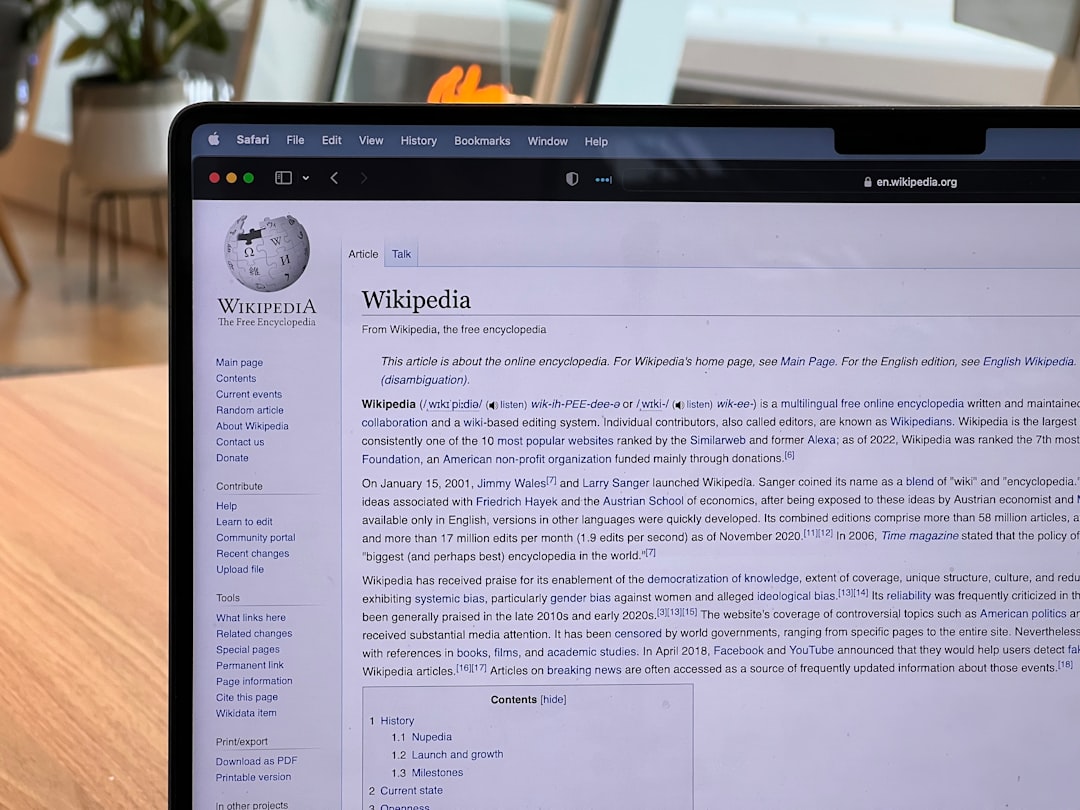
AI systems often weigh brand mentions and contextual authority across the web. The more your content is referenced, cited, or linked, the more likely LLMs will treat it as a trusted source.
Additional strategies include:
- Internal linking: Connect related articles to create semantic clusters.
- Topical hubs: Develop pillar pages with supporting sub-content.
- Digital PR: Increase brand citations from reputable domains.
LLMs are trained on vast datasets, and patterns of authority matter. A strong topical footprint increases the probability that your content informs AI-generated responses.
4. Optimize for Conversational and Question-Based Queries
Unlike traditional search, AI systems process natural, conversational prompts. Users now ask complete questions such as:
- “What are the best ways to reduce email bounce rates?”
- “How does schema markup impact AI search visibility?”
- “What tools help optimize content for LLM indexing?”
Your content should directly answer these types of questions.
Effective techniques include:
- Adding a dedicated FAQ section
- Using clear, concise answers immediately after the question
- Structuring content in Q&A format
- Including summary paragraphs at the beginning or end of sections
This approach increases the chances that AI systems will extract your content into summaries or answer boxes.
Additionally, consider formatting strategies like:
- Short paragraphs for easy parsing
- Definition statements (“AI crawlers are automated systems that…”)
- Step-by-step lists for procedural content

AI readability is just as important as human readability. Clean formatting makes machine extraction more accurate.
5. Ensure Technical Accessibility for AI Crawlers
If AI crawlers cannot access your site efficiently, even great content won’t be indexed properly.
Key technical factors include:
- Fast page speed
- Mobile optimization
- Clean HTML structure
- Logical URL hierarchy
- Updated XML sitemaps
Avoid excessive JavaScript rendering that hides primary content. Many AI crawlers prefer server-side rendered content they can easily parse.
Also consider:
- Allowing responsible AI crawler access in robots.txt
- Using canonical tags correctly
- Fixing broken links
- Eliminating duplicate content
Structured heading hierarchy (H1, H2, H3) is particularly important. It helps AI models identify the main theme and supporting arguments of your content.
The Bigger Picture: From SEO to AI Optimization
Optimizing for AI crawlers is not about abandoning SEO. It’s about evolving it.
Traditional SEO focused primarily on:
- Backlinks
- Keyword rankings
- Meta descriptions
AI optimization adds new dimensions:
- Entity relationships
- Contextual authority
- Structured data clarity
- Conversational alignment
- Machine readability
Think of it this way: search engines rank pages, but LLMs interpret knowledge. Your content must function as both a webpage and a clearly structured data source.
Final Thoughts
AI-driven discovery is no longer the future—it’s the present. Content creators, marketers, and businesses that adapt early will gain disproportionate visibility as AI-generated search experiences continue to expand.
By focusing on:
- Semantic richness
- Structured data implementation
- Strong authority signals
- Conversational formatting
- Technical crawlability
You position your content not just to rank—but to be understood, referenced, and surfaced by AI systems.
In the age of intelligent search, visibility belongs to those who optimize for machines without forgetting humans. Master both, and your content won’t just appear—it will be amplified by the algorithms shaping tomorrow’s digital landscape.