
SEOs should track AI Overview visibility with a normal rank tracker plus an AI-specific monitor, because organic rank alone now misses major search exposure. Google said AI Overviews reached more than 1 billion monthly users after expansion to 100+ countries and territories [source: Google]. That means a site can rank third, yet still lose attention if a rival gets cited inside the AI answer.
TLDR: The best AI Overviews rank trackers help teams see when Google shows an AI answer, which brands are mentioned, and which URLs get cited. For example, an ecommerce team tracking 250 keywords may find that 74 trigger AI Overviews, while a competitor appears in 29 of them and its own brand appears in only 11. That gap is not a small SEO detail. It is a visibility problem that needs content fixes, authority building, and better answer-style pages.
6 Online AI Overviews Rank Trackers Worth Comparing
AI Overviews have made rank tracking messier. A page can hold a strong organic position and still get pushed down by a generated answer. Worse, the AI box may cite a competitor, a publisher, Reddit, YouTube, or no commercial site at all. The catch is that many rank tools still treat this as just another SERP feature, which feels too thin for serious reporting.

1. Semrush
Semrush is a strong fit for teams that already use it for keyword tracking, audits, and competitor research. Its position tracking can show SERP features and help spot where AI Overviews appear across monitored terms. The main value is not just the AI signal. It is the way teams can connect that signal to keyword intent, URLs, rankings, and competitive reports.
- Best for: agencies and larger SEO teams.
- Useful feature: combining keyword positions with SERP feature changes.
- Annoyance: setup can feel busy when only a simple AI Overview report is needed.
2. SE Ranking AI Overview Tracker
SE Ranking offers one of the cleaner options for tracking Google AI Overviews without making the workflow feel heavy. It can help users see which keywords trigger AI answers, whether a tracked site appears, and how competitors show up. For many small teams, this is the sweet spot between price and clarity.
- Best for: small businesses, consultants, and lean SEO teams.
- Useful feature: clear keyword-level AI Overview checks.
- Watch out: local and language coverage should be checked before buying.
3. AccuRanker
AccuRanker is built for rank tracking at scale. It is fast, clean, and strong for teams that care about fresh ranking data. For AI Overviews, its value comes from tracking SERP features next to traditional rankings, so teams can see whether a keyword has become harder to win even when the organic rank looks stable.
It can feel maddening when a report says “position 2” but traffic still drops. A SERP feature view solves part of that mystery. If an AI Overview, ads, videos, and forums sit above the blue links, position 2 may not feel like position 2 at all.
- Best for: agencies, SaaS brands, and enterprise SEO teams.
- Useful feature: fast updates and strong filtering.
- Watch out: AI-specific insight may need custom reporting.
4. Advanced Web Ranking
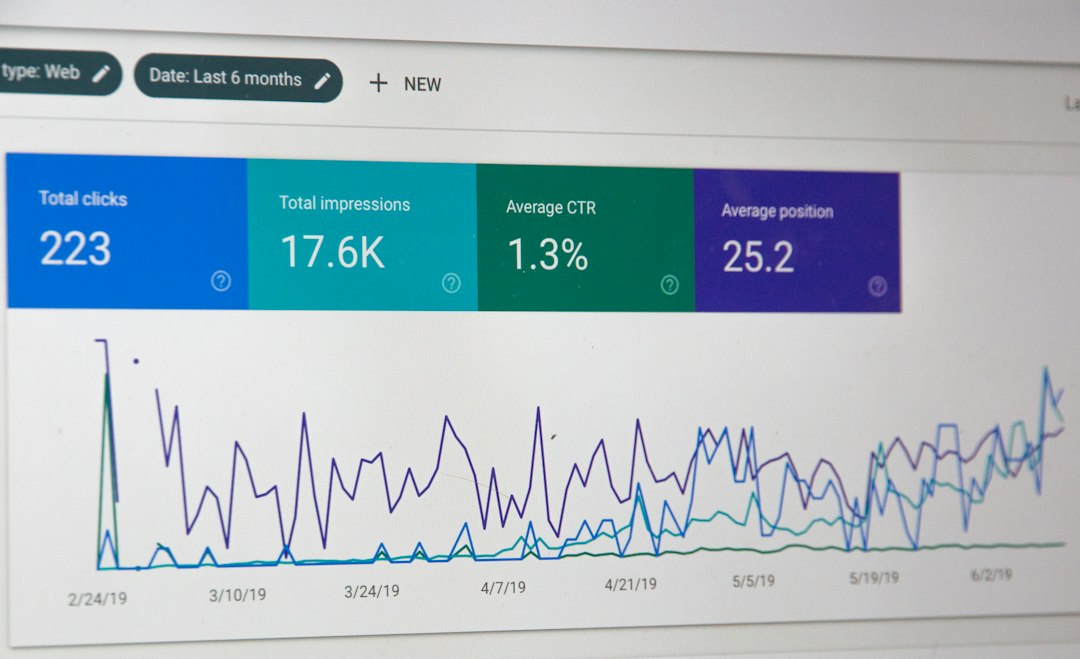
Advanced Web Ranking, often called AWR, is a mature rank tracker with strong SERP feature monitoring. It works well for teams that need repeatable reports across countries, devices, and search engines. For AI Overview tracking, it helps measure how often AI answers appear in target SERPs and how those results affect normal ranking reports.
- Best for: agencies managing many clients.
- Useful feature: scheduled reports and broad rank tracking settings.
- Annoyance: some reports may need tweaking before clients understand them.
5. Authoritas
Authoritas has paid close attention to AI search and Google’s generated results. It can help teams study AI Overview presence, cited sources, and content opportunities. This makes it useful for brands that want more than “AI Overview appeared.” They want to know why a page was cited and what kind of content seems to win.
- Best for: content strategy teams and SEO researchers.
- Useful feature: deeper AI SERP analysis.
- Watch out: it may feel more research-focused than plug-and-play.
6. ZipTie.dev
ZipTie.dev focuses on AI search visibility, including how brands appear in AI-generated answers. It is useful for teams that want to track mentions, citations, and competitor presence across AI-style search results. Traditional rank trackers answer “where does the page rank?” ZipTie is closer to “is the brand part of the answer?”
- Best for: brands worried about AI answer visibility.
- Useful feature: brand and competitor mention tracking.
- Watch out: teams may still need a classic rank tracker beside it.
What Should Be Measured?
A good AI Overviews report should not stop at rankings. It should include:
- AI Overview trigger rate: the percentage of tracked keywords that show an AI answer.
- Brand mentions: whether the company is named in the AI text.
- URL citations: whether the site is linked or used as a source.
- Competitor appearances: which rivals get cited or mentioned.
- Organic rank beside AI results: because both still matter.
- Change over time: weekly movement is more useful than one-off checks.
For example, a B2B software company might track 400 keywords and find that AI Overviews appear on 38% of them. If three competitors appear twice as often in those answers, the content team has a clear problem. Product pages may be too sales-heavy. Help pages may lack direct answers. Comparison pages may be missing proof, pricing context, or third-party references.
How to Pick the Right Tool
Small teams usually need simple AI Overview detection, keyword tracking, and competitor checks. SE Ranking or AWR can be a practical starting point. Agencies often need scale, exports, client reports, and daily tracking, which makes Semrush, AccuRanker, or AWR strong choices. Teams focused on AI answer influence should test Authoritas or ZipTie.dev.
The best setup often uses two tools. One tracks classic rankings. The other tracks AI answer visibility. That may sound annoying, but it gives a cleaner picture. Search performance is no longer just about position. It is also about being named, cited, and trusted inside the answer box.
FAQ
What is an AI Overviews rank tracker?
It is a tool that checks whether Google shows an AI Overview for a keyword and whether a brand, page, or competitor appears in that AI result.
Do AI Overviews replace normal rank tracking?
No. Teams still need normal rank tracking. AI Overview tracking adds another layer because visibility can change even when organic rank stays the same.
Which tool is best for beginners?
SE Ranking is often easier for smaller teams. It offers a clear interface and useful AI Overview checks without too much clutter.
Which tool is best for agencies?
Semrush, AccuRanker, and Advanced Web Ranking are strong agency picks because they handle larger keyword sets and reporting needs.
How often should AI Overview rankings be checked?
Weekly checks are enough for many teams. High-value keywords may need daily tracking, especially during content updates or major Google changes.