
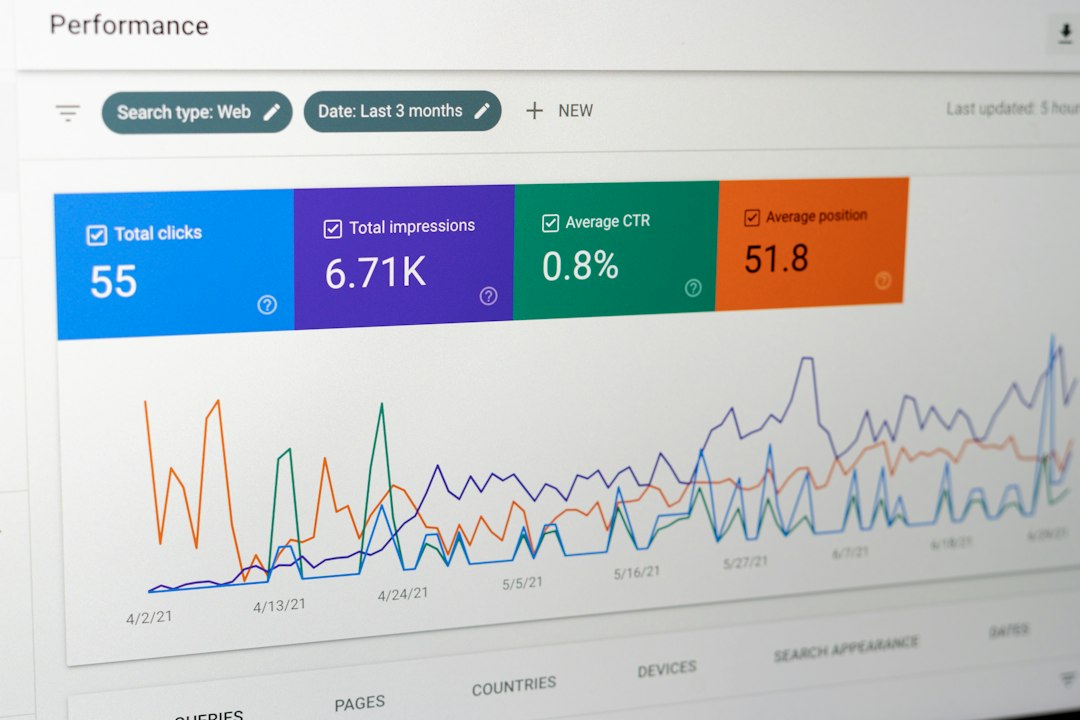
Semrush is the safest first pick for broad AI Overview tracking, while Ahrefs suits backlink-heavy SEO teams and SE Ranking fits agencies that need lower-cost rank reporting. Google says AI Overviews appear when its systems find that generative AI can add useful context to a search result [source: Google]. That makes tracking them hard. A normal rank tracker no longer tells the full story.
TLDR: Teams comparing AI Overview tools should start with Semrush, Ahrefs, and SE Ranking, then test specialist options such as ZipTie, Authoritas, seoClarity, and Profound. For example, a site tracking 500 money keywords may find that 90 keywords trigger AI Overviews, while only 28 mention the brand. That gap shows where content, PR, and entity signals need work. The best tool is the one that shows which queries trigger AI answers, which sources are cited, and how visibility changes by week.
1. Semrush
Best for: SEO teams that want a full suite, not only AI Overview data.
Semrush is strong because it connects AI Overview tracking with keyword research, organic competitors, content ideas, and rank data. Its reports help teams see whether a query has an AI Overview and whether their domain is included as a cited source.
The catch is the cost. Smaller teams may pay for more tools than they actually use. Still, for agencies and growing brands, Semrush gives the cleanest all-in-one view.
- Pros: broad SEO data, strong keyword tools, useful competitor reports
- Cons: pricing can climb fast, advanced reports take time to learn
- Good fit: content teams, agencies, ecommerce SEO teams
2. Ahrefs
Best for: teams that care about backlinks, authority, and content gaps.
Ahrefs is loved for link data, and that matters for AI visibility. AI Overviews often cite trusted, well-structured pages. Ahrefs helps teams check whether competitors earning mentions also have stronger link profiles, better topical coverage, or older authority.
Its AI Overview features are useful, but the real value comes from pairing them with content gap and backlink reports. It drives some teams a little mad that workflows can feel split across tools, but the data quality is hard to ignore.
- Pros: excellent backlink data, strong competitor research, clean interface
- Cons: limited seats on some plans, can feel pricey for small sites
- Good fit: SaaS companies, affiliate sites, publishers
3. SE Ranking
Best for: agencies and small businesses that need practical reporting.
SE Ranking offers rank tracking, keyword research, audits, and AI result monitoring at a friendlier price point than many large suites. Its reports are easy to share with clients. That matters when clients ask why traffic dropped even though “rankings look fine.”
SE Ranking is not as deep as Semrush or Ahrefs in every data area. Even so, it gives many teams enough visibility to spot AI Overview risk and explain changes without building a messy spreadsheet.
- Pros: good value, client-friendly reports, solid rank tracking
- Cons: less deep data in some markets, fewer advanced research layers
- Good fit: local SEO firms, small agencies, lean marketing teams
4. ZipTie
Best for: fast checks of AI Overview presence and citation status.
ZipTie focuses on AI search visibility. It helps teams see if their site appears in AI Overviews and where competitors are being cited. This narrow focus can be a strength. There is less clutter than in a full SEO platform.
Expect to waste time on exports if the team also needs deep keyword research, link analysis, or technical audits. ZipTie works best as a focused add-on, not a full SEO system.
5. Authoritas
Best for: larger SEO teams that need research and visibility tracking across many queries.
Authoritas has been active in tracking Google’s AI results and source citations. It can help teams monitor how often AI answers appear, which domains are cited, and how search features shift over time.
The tool is more suited to teams that want structured analysis than quick one-off checks. It may feel heavy for a small blog, but it makes sense for enterprise sites and agencies with many clients.
6. seoClarity
Best for: enterprise SEO teams with large keyword sets.
seoClarity is built for scale. It can track huge numbers of keywords, group data by page type, and connect AI visibility with classic SEO reporting. For big brands, that level of control matters.
The downside is simple. It is not a casual tool. Setup, training, and pricing can be too much for smaller teams. For enterprise SEO managers, though, it can turn scattered AI search data into something usable.
7. Profound
Best for: brands that want visibility across AI answer engines, not only Google.
Profound tracks how brands appear in AI platforms and answer engines. This is useful for teams that care about mentions in tools like ChatGPT, Perplexity, and Google AI results. It looks at brand presence, prompts, competitors, and source patterns.
This is not a classic rank tracker. It is closer to an AI visibility platform. That makes it useful for brand, PR, and content teams working together.
Which Tool Should a Team Choose?
- Pick Semrush when the team wants one main SEO platform with AI Overview tracking included.
- Pick Ahrefs when links, authority, and content gaps are the main concern.
- Pick SE Ranking when budget and client reporting matter most.
- Pick ZipTie for focused AI Overview checks.
- Pick Authoritas for deeper AI result research.
- Pick seoClarity for enterprise scale.
- Pick Profound for wider AI search and brand visibility.
The smart move is to test two tools on the same keyword set. A team can track 100 to 300 priority queries for two weeks, then compare AI Overview triggers, cited domains, missing mentions, and reporting speed. That small test often says more than a sales demo.
FAQ
What is an AI Overview tool?
An AI Overview tool tracks when Google shows an AI-generated answer and whether a domain is mentioned or cited in that answer.
Is Semrush better than Ahrefs for AI Overview tracking?
Semrush is often better for all-in-one SEO reporting. Ahrefs is stronger when backlink data and authority checks are central to the work.
Can SE Ranking track AI Overviews?
SE Ranking offers AI search and rank tracking features that can help teams monitor visibility changes at a more accessible price.
Do AI Overview tools replace normal rank trackers?
No. They add another layer. Teams still need classic rankings, traffic data, technical audits, and conversion tracking.
How many keywords should a team track?
A small team can start with 100 core keywords. Larger sites should track several hundred or more, split by topic, funnel stage, and revenue value.