

Municipalities and regulatory agencies are under increasing pressure to enforce codes efficiently while maintaining transparency, accuracy, and compliance. Paper-based inspections and disconnected systems no longer meet the demands of modern building departments, fire marshals, and code enforcement officers. Today’s digital code enforcement software tools help agencies reduce errors, accelerate inspections, and improve communication with property owners and contractors—while maintaining detailed audit trails.
TLDR: Code enforcement software modernizes inspections, automates workflows, and improves compliance tracking. The best tools offer mobile inspections, cloud-based data access, automated reporting, and integration with permitting systems. Agencies can reduce administrative work, improve accuracy, and increase transparency by adopting the right platform. Below are seven leading tools that streamline inspections and compliance management.
Why Code Enforcement Software Matters
Enforcement teams manage complex responsibilities: property maintenance inspections, zoning violations, building code compliance, fire safety checks, and more. Without a centralized platform, departments face:
- Manual paperwork and duplicate data entry
- Lost or incomplete inspection records
- Delayed reporting and compliance follow-ups
- Limited real-time visibility into case status
- Difficulty maintaining audit trails
Modern enforcement solutions consolidate case management, mobile inspections, scheduling, billing, and reporting into a single interface. Many also include GIS mapping, citizen portals, and analytics dashboards.

1. Accela Automation
Best for: Large municipalities needing full civic platform integration
Accela is one of the most established government technology providers. Its Automation platform includes permitting, licensing, inspections, and code enforcement modules. Accela allows agencies to centralize data across multiple departments while providing mobile access for inspectors in the field.
Key Features:
- Mobile inspection capabilities
- Workflow automation
- Citizen self-service portal
- GIS integration
- Data analytics dashboards
Accela is particularly effective for cities seeking enterprise-wide integration across planning, public works, and public safety departments.
2. Tyler Technologies EnerGov
Best for: Communities looking for end-to-end community development management
EnerGov offers comprehensive functionality for permitting, inspections, planning, and code enforcement. Built specifically for local governments, it integrates financial management and document storage with enforcement workflows.
Notable Benefits:
- Automated violation tracking
- Inspection scheduling tools
- Customizable dashboards
- Role-based access controls
- Integration with other Tyler government solutions
Its structured workflows help ensure that violations are escalated appropriately and deadlines are not missed.
3. Cityworks PLL (Public Land and Licensing)
Best for: Agencies requiring strong GIS integration
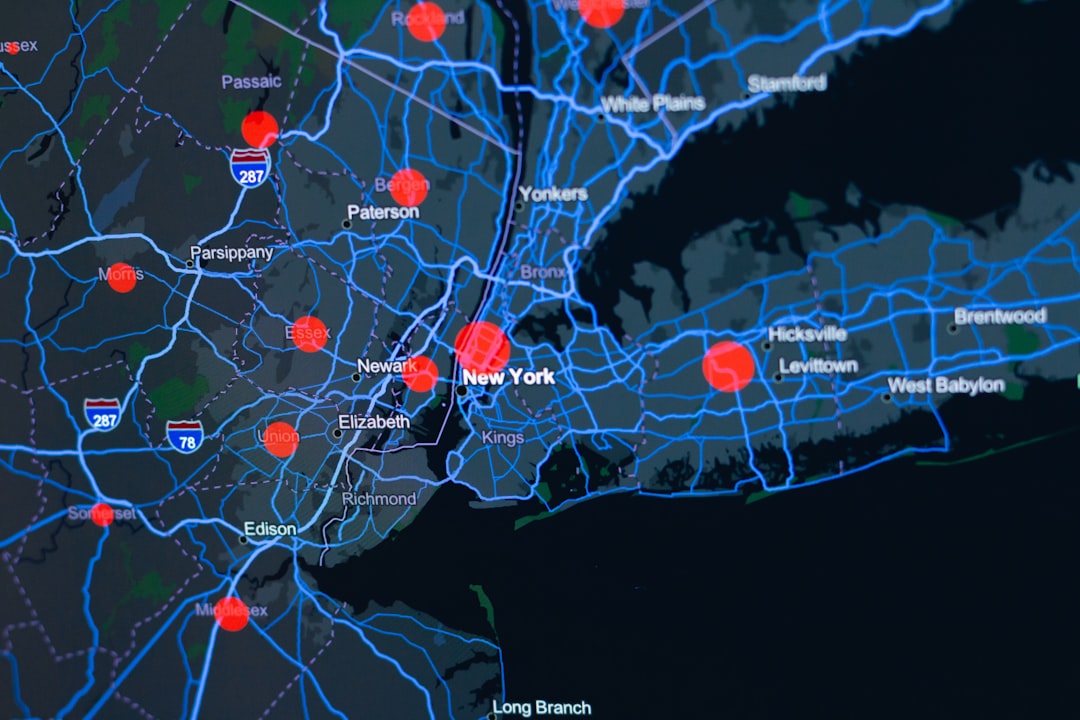
Cityworks PLL leverages Esri GIS technology to tie enforcement cases directly to mapped locations. This geographical approach helps officers visualize violation patterns, monitor high-risk zones, and track property history.
Top Capabilities:
- GIS-based case visualization
- Mobile inspection tools
- Permit-to-enforcement linkages
- Configurable workflows
- Document management
For communities prioritizing spatial data and infrastructure coordination, Cityworks PLL offers powerful location-based insights.
4. iWorQ Code Enforcement Software
Best for: Small to mid-sized municipalities
iWorQ focuses on usability and affordability. Its cloud-based platform simplifies code enforcement processes with an intuitive interface that requires minimal training.
Standout Features:
- Cloud hosting with automatic updates
- Complaint tracking
- Automated notices and letters
- Inspection calendar management
- Public request portal
Smaller jurisdictions appreciate iWorQ’s balance of functionality and cost control.
5. OpenGov Permitting & Licensing
Best for: Agencies seeking strong transparency and digital transformation tools
OpenGov offers modern, cloud-based solutions aimed at transparency and public trust. Its permitting and enforcement platform includes configurable workflows and real-time reporting dashboards.
Advantages:
- Easy-to-configure workflows
- Real-time compliance updates
- Digital document submission
- Data-driven reporting
- User-friendly citizen interface
OpenGov is especially beneficial for cities aiming to modernize legacy systems and improve public-facing services.
6. eCode Enforcement by Municipal Software
Best for: Agencies transitioning from paper-based systems
eCode Enforcement supports detailed case management, inspection documentation, and automated notifications. It provides structured processes for documenting violations from initial complaint to resolution.
Highlights:
- Digital case files
- Photo attachments
- Automatic re-inspection reminders
- Fee and fine tracking
- Compliance history logging
For departments making their first move into digital systems, this software provides essential tools without overwhelming complexity.
7. Streamline by SimpleCity
Best for: Cloud-native efficiency and quick implementation
Streamline is designed for simplicity and rapid deployment. It serves building departments, planning teams, and code enforcement units in one cohesive system.
Core Features:
- Cloud-based deployment
- Mobile field inspections
- Online payments and applications
- Automated email notifications
- Easy reporting tools
Streamline is popular among growing communities that require a scalable system without enterprise-level complexity.

Comparison Chart: Top Code Enforcement Software Tools
| Software | Best For | Mobile Inspections | GIS Integration | Citizen Portal | Deployment |
|---|---|---|---|---|---|
| Accela Automation | Large municipalities | Yes | Yes | Yes | Cloud & On-premise |
| Tyler EnerGov | Integrated city management | Yes | Limited | Yes | Cloud & On-premise |
| Cityworks PLL | GIS-focused agencies | Yes | Strong | Optional | Cloud & On-premise |
| iWorQ | Small to mid-sized towns | Yes | Basic | Yes | Cloud |
| OpenGov | Digital-first agencies | Yes | Moderate | Yes | Cloud |
| eCode Enforcement | Paper-to-digital transition | Yes | Basic | Limited | Primarily On-premise |
| Streamline | Quick cloud deployment | Yes | Moderate | Yes | Cloud |
Key Features to Look For
When selecting code enforcement software, agencies should prioritize:
- Mobile Optimization: Inspectors must be able to record findings, attach photos, and issue citations from the field.
- Workflow Automation: Automated notices and escalation processes reduce administrative workload.
- Integration: Compatibility with permitting, billing, and GIS systems ensures consistency.
- Reporting & Analytics: Performance dashboards help leadership monitor workloads and compliance rates.
- Public Transparency: Citizen portals allow residents to submit complaints and track case status.
The Future of Code Enforcement Technology
The next wave of innovation includes artificial intelligence for predictive inspections, automated risk scoring, and enhanced interdepartmental data sharing. Cloud-native platforms are becoming standard, while cybersecurity protections grow increasingly important.
Agencies that modernize now will not only improve efficiency but also strengthen public trust through greater transparency and consistent enforcement practices.
Final Thoughts
Code enforcement software has evolved from simple case tracking tools into comprehensive compliance management ecosystems. Whether serving a small township or a major city, the right platform can streamline inspections, reduce manual workloads, and improve compliance outcomes.
By carefully evaluating available options—considering scalability, integrations, ease of use, and reporting capabilities—agencies can select a tool that supports both current operational needs and future growth. Modern enforcement demands modern solutions, and these seven platforms represent some of the most effective tools available today.