

In environments where even a single speck of dust can compromise a multi-million dollar project, stringent cleanliness standards are essential. This is particularly true in industries like semiconductor manufacturing, pharmaceuticals, and aerospace. To maintain the highest levels of cleanliness and prevent contamination, workers wear what’s commonly known as a bunny suit—a specialized type of cleanroom garment.
TL;DR (Too Long; Didn’t Read)
Bunny suits are full-body cleanroom garments that protect sensitive environments from contamination caused by humans. They are essential in industries like electronics, aerospace, and biotech, where even the smallest particles can disrupt operations. These suits cover nearly every part of the body and are made from specific materials designed to minimize fiber shedding and static electricity. Wearing and maintaining them properly is crucial to maintaining cleanroom integrity.
What Is a Bunny Suit?
A bunny suit is a type of cleanroom attire designed to prevent human contaminants such as skin flakes, hair, and microbes from entering tightly controlled environments. The name “bunny suit” derives from its appearance—workers clad in these suits resemble oversized white rabbits due to the full-body design that often includes a hood and booties.
The suit is typically composed of multiple elements:
- Coverall: A full-body suit made of non-linting, breathable synthetic fibers.
- Head covering or hood: Designed to contain hair and minimize static discharge.
- Booties: Shoe covers to prevent dirt from being tracked into the cleanroom.
- Face mask: To prevent droplets and microbes from contaminating the space.
- Gloves: Often anti-static and sterile for handling sensitive materials.
Why Are Bunny Suits So Important?
The human body is a walking source of contamination. We constantly shed skin particles, produce sweat, and carry microbes that aren’t visible to the naked eye. In a cleanroom environment, this could mean disaster. A single particle, invisible to the naked eye, can destroy semiconductor wafers or compromise biological cultures.
Even speaking or breathing releases particles. Bunny suits minimize this transfer by acting as a barrier between the person and the cleanroom environment. They are not meant for protecting the wearer, but rather to protect the product or research inside the cleanroom.
Cleanroom Classifications and Attire Requirements
Cleanrooms are classified based on the number and size of particles per cubic meter. For example, an ISO Class 1 cleanroom has fewer than 10 particles per cubic meter, while an ISO Class 9 cleanroom may allow up to 35 million.
Depending on the classification, the bunny suit’s features and the procedures for wearing it may vary:
- ISO Class 1–3: Requires completely covered suits, double gloves, and often includes respirators or PAPRs (Powered Air Purifying Respirators).
- ISO Class 4–5: Still very strict, but may allow single gloving and less-stringent footwear requirements.
- ISO Class 6–9: May allow less coverage and looser protocols, depending on the activity performed in the room.
Proper gowning procedures are always enforced to ensure compliance with the specific cleanroom class in question.
Materials Used in Bunny Suits
Not all fabrics are suitable for cleanroom attire. Bunny suits are typically made from:
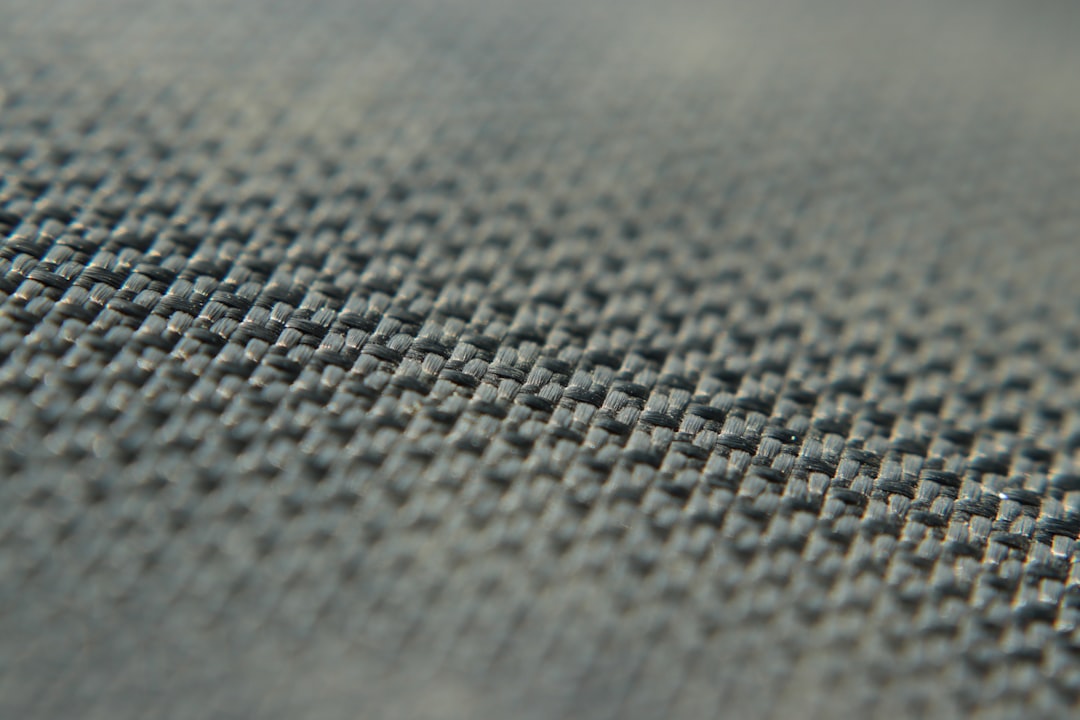
- Polyester filament: Strong and produces minimal lint, which is ideal for cleanroom environments.
- Carbon fibers: Often woven into the material to help dissipate static electricity.
- Microporous laminate: Used occasionally for limited-use garments offering high barrier protection.
The materials are designed to be:
- Non-linting
- Low-particle-shedding
- Anti-static
- Durable enough to withstand repeated laundering and sterilization

Putting on a Bunny Suit: The Gowning Process
Donning a bunny suit correctly follows a strict order to prevent contamination. Workers go through a gowning room, passing from “dirty” to “clean” zones where each layer of the suit is applied:
- Wash and sanitize hands thoroughly.
- Put on hair covering/cap.
- Don facial mask and beard cover if needed.
- Put on the coverall carefully to avoid brushing it on any surfaces.
- Apply boots or shoe covers.
- Gloves are put on last, and in some environments, may be double-layered.
During this process, touching the outside of garments or other surfaces is minimized. Many facilities also use special mirrors or assistants to inspect the garment after it’s put on.
Reusability and Maintenance
Some bunny suits are single-use, especially in lower-class cleanrooms. Others are reusable and must go through special laundering processes:
- Cleanroom laundry facilities use filtered water and air, as well as special detergents.
- Sterilization may occur via autoclaving or gamma irradiation.
- Inspection takes place after each wash cycle to detect tears or defects.
High-quality reusable cleanroom suits can withstand dozens, if not hundreds, of laundry cycles before needing replacement.
Other Accessories and Innovations
Some cleanrooms now incorporate new technology such as:
- Smart tags for garment tracking and inventory management.
- RFID chips embedded into the fabric for traceability.
- Cooling systems inside the suits to improve comfort for long durations.
These innovations not only help maintain cleanliness but also improve user compliance and efficiency.
Industries That Depend on Bunny Suits
Bunny suits are critical in a wide range of high-tech and high-stakes industries, including:
- Semiconductor manufacturing
- Pharmaceutical production
- Biotechnology and genomics research
- Aerospace component assembly
- Medical device fabrication
Each of these sectors relies on absolute cleanliness to avoid costly mistakes and ensure product integrity.
Conclusion
Although bunny suits might look humorous at first glance, they serve a vital purpose in keeping our most delicate and important works—such as lifesaving medications or advanced computer chips—free from harmful contamination. Proper usage, maintenance, and adherence to procedures surrounding these cleanroom garments continue to be pillars of operational success in many scientific and manufacturing fields.
Frequently Asked Questions (FAQ)
- Q: Why are they called “bunny suits”?
A: The name comes from their appearance—full-bodied suits with hoods and booties that make wearers resemble giant, white rabbits. - Q: Are bunny suits reusable?
A: Many bunny suits are reusable and built to withstand special laundering. However, some are designed for single-use depending on cleanroom classification and application. - Q: Can anyone wear a bunny suit?
A: Only trained personnel can wear bunny suits inside cleanrooms. Gowning procedures are strict to ensure no contamination occurs during the donning process. - Q: Are bunny suits the same in all industries?
A: No, they vary depending on the cleanroom class and the specific needs of the industry. Higher-class cleanrooms typically require more stringent protective features. - Q: Do bunny suits protect the wearer from harmful substances?
A: Primarily, bunny suits are designed to protect the cleanroom from the wearer, not vice versa. However, in certain applications, additional protective layers may also offer personal protection.