
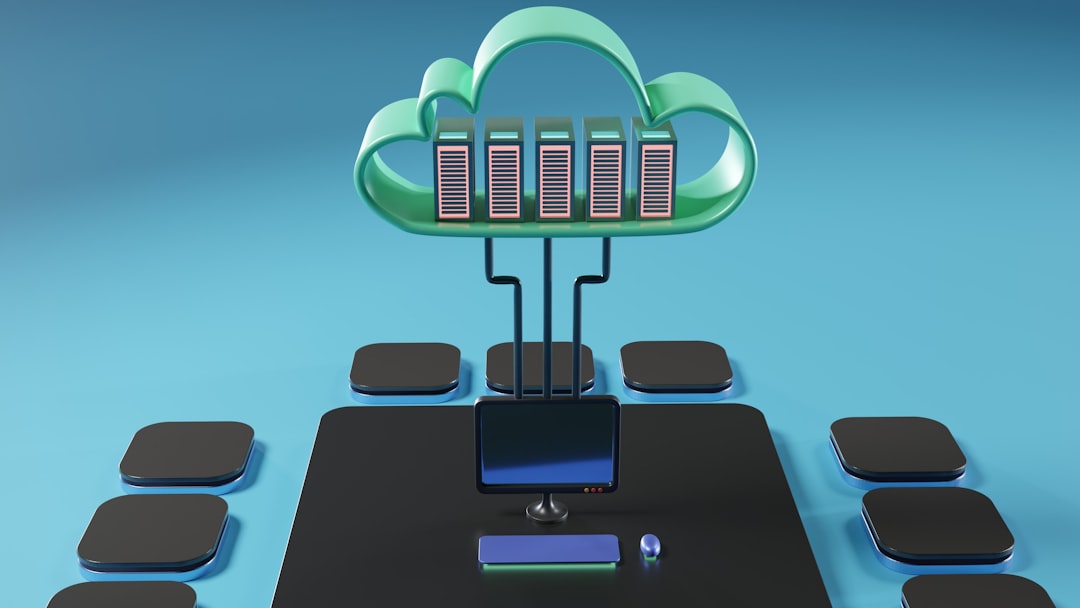
Performance monitoring has become a central pillar of operational excellence. As companies scale their digital infrastructure, the need for precise, real-time insights into application speed, system health, and user experience becomes critical. While Tempo is one option in this space, many organizations evaluate alternative platforms that better fit their technical stacks, reporting needs, scalability goals, or compliance requirements.
TLDR: Organizations exploring alternatives to Tempo for performance monitoring often seek greater scalability, deeper observability, broader integrations, or more advanced analytics. Leading contenders include Datadog, New Relic, Dynatrace, AppDynamics, and Prometheus paired with Grafana. Each offers distinct strengths depending on infrastructure complexity, cloud adoption, and budget considerations. Choosing the right tool depends on your operational maturity and long-term performance strategy.
Below are five respected tools companies frequently consider instead of Tempo, along with insights into why they stand out in the competitive performance monitoring landscape.
1. Datadog
Datadog has established itself as a comprehensive observability platform designed for modern cloud environments. It aggregates metrics, traces, and logs into a unified dashboard, enabling organizations to quickly detect anomalies and understand their root causes.
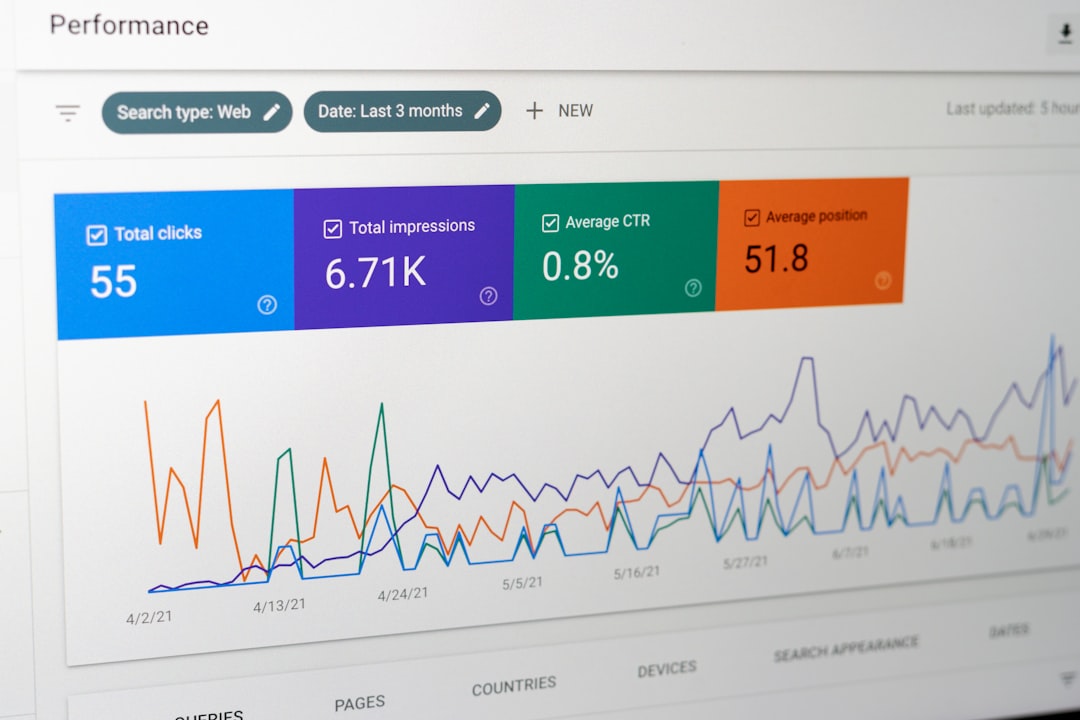
Why companies choose Datadog:
- Full-stack observability: Infrastructure, application performance, logs, and security monitoring in one platform.
- Cloud-native integrations: Seamless connections with AWS, Azure, Google Cloud, Kubernetes, and hundreds of other services.
- Real-time analytics: Advanced filtering, alerting, and customizable dashboards.
- Scalable architecture: Designed for distributed systems and microservices.
Enterprises appreciate Datadog’s ability to reduce monitoring silos. Its powerful alerting system helps teams respond faster to incidents, while its visual dashboards allow both technical and non-technical stakeholders to understand performance metrics.
However, some companies note that pricing can increase significantly as data ingestion grows, making cost management an important factor during implementation.
2. New Relic
New Relic is widely recognized for application performance monitoring (APM) and end-to-end observability. It provides detailed transaction tracing and deep visibility into application code behavior.
Key strengths include:
- Code-level diagnostics: Pinpoints slow database calls and inefficient methods.
- User experience monitoring: Tracks real user interactions and synthetic tests.
- Flexible pricing model: Usage-based pricing with scalable features.
- Customizable telemetry: Developers can ingest and query a wide range of event data.
New Relic’s strength lies in helping engineering teams move from symptom to solution quickly. Its distributed tracing capabilities are especially valuable in microservices environments, where dependencies can become complex.
Companies considering New Relic often value its maturity and rich ecosystem. It suits organizations that need extensive diagnostics rather than high-level infrastructure snapshots alone.
3. Dynatrace
Dynatrace is known for its AI-powered monitoring engine and automated root cause analysis. It provides deep observability across hybrid and multi-cloud infrastructures.
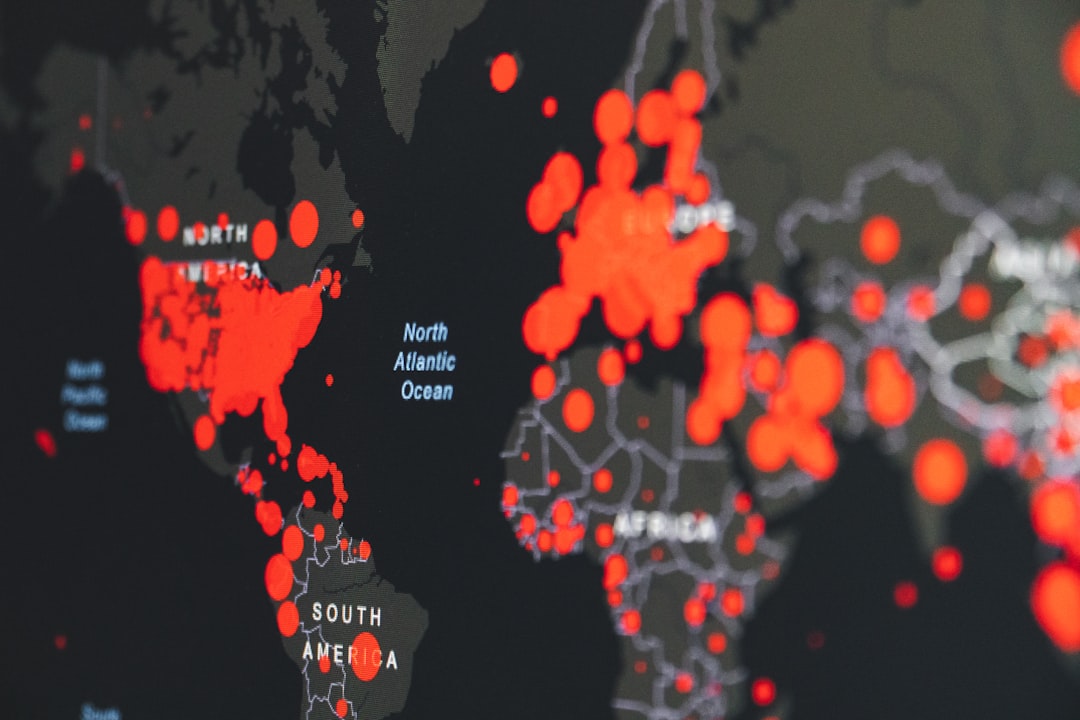
What differentiates Dynatrace:
- AI-driven insights: Davis AI engine identifies anomalies and determines causation automatically.
- Automatic discovery: Detects services, containers, and dependencies with minimal manual setup.
- Enterprise-grade scalability: Suitable for large, complex infrastructures.
- Security integration: Combines performance monitoring with application security.
For enterprises managing thousands of services, automation is key. Dynatrace reduces investigative workloads by highlighting performance impact chains rather than isolated alerts. This capability significantly shortens mean time to resolution (MTTR).
Companies with highly distributed systems often favor Dynatrace when manual correlation between logs, metrics, and traces becomes impractical.
4. AppDynamics
AppDynamics, now part of Cisco, focuses strongly on business transaction monitoring. It connects application performance metrics to business outcomes, making it particularly appealing to organizations seeking visibility beyond technical metrics.
Core capabilities:
- Business transaction tracing: Monitors performance across user journeys.
- End-user monitoring: Provides visibility into client-side performance.
- Network and infrastructure integration: Especially strong in Cisco-centric environments.
- Advanced analytics: Correlates technical indicators with revenue impact.
This business-centric perspective enables executives to understand how latency or downtime directly affects customer retention and revenue. For companies that align IT closely with operational strategy, this feature is highly valuable.
While some teams may find the configuration process complex, organizations seeking integrated visibility across application, network, and infrastructure layers often see substantial long-term value.
5. Prometheus + Grafana
Prometheus, often paired with Grafana, represents a popular open-source alternative for performance monitoring. Particularly common in Kubernetes environments, it provides robust time-series data collection and visualization.
Image not found in postmetaWhy companies adopt this stack:
- Open-source flexibility: No vendor lock-in and strong community support.
- Powerful metric querying: PromQL allows detailed performance analysis.
- Highly customizable dashboards: Grafana supports diverse data sources.
- Cost efficiency: Lower direct software costs for organizations with in-house expertise.
Prometheus excels in cloud-native and containerized environments. However, it may require more technical configuration and maintenance compared to fully managed SaaS solutions. Teams with experienced DevOps engineers often prefer this approach for its flexibility and transparency.
Comparison Chart
| Tool | Best For | Deployment Model | AI Capabilities | Scalability |
|---|---|---|---|---|
| Datadog | Cloud-native organizations needing unified observability | SaaS | Advanced anomaly detection | High |
| New Relic | Deep application diagnostics | SaaS | Predictive alerts | High |
| Dynatrace | Large enterprises with complex systems | SaaS / Managed | Strong AI root cause automation | Very High |
| AppDynamics | Business transaction monitoring | SaaS / On-premises | Analytics-driven insights | High |
| Prometheus + Grafana | DevOps-focused, Kubernetes environments | Self-managed / Open-source | Community-driven tools | Scales with infrastructure |
Key Factors When Evaluating Alternatives
Choosing a performance monitoring solution requires more than feature comparison. Organizations should conduct structured evaluations based on:
- Infrastructure complexity: Monolithic vs. microservices architecture.
- Cloud strategy: Single cloud, multi-cloud, or hybrid deployment.
- Compliance requirements: Data sovereignty and industry regulations.
- Internal expertise: Availability of DevOps and SRE resources.
- Budget scalability: Monitoring costs relative to data growth.
An enterprise with extensive Kubernetes deployments may lean toward Prometheus or Datadog, while a financial services firm prioritizing AI-driven automation may find Dynatrace more aligned with its needs.
Final Thoughts
The performance monitoring ecosystem has matured rapidly, offering companies a wide range of high-caliber tools beyond Tempo. Each solution discussed here delivers strong capabilities, yet their differentiation lies in automation depth, business alignment, deployment flexibility, and total cost of ownership.
Decision-makers should prioritize tools that not only detect technical issues but also empower faster remediation and clear visibility for stakeholders. Thorough testing, pilot implementations, and cross-team input can ensure the selected platform supports both operational resilience and strategic growth.
In a digital economy where milliseconds influence revenue and reputation, choosing the right performance monitoring tool is not just a technical decision—it is a business imperative.