

Finding the right keywords can feel like striking gold in the digital marketing world. Whether you’re a blogger, ecommerce owner, SaaS founder, or SEO professional, knowing what your audience is searching for gives you a direct pathway to traffic, conversions, and growth. While Ubersuggest is a popular keyword research tool, it’s far from the only option available. In fact, a growing ecosystem of keyword research apps offers innovative features, deeper analytics, and unique opportunity-finding capabilities.
TLDR: If you rely on keyword research to grow your traffic, there are several powerful alternatives to Ubersuggest worth exploring. Tools like Ahrefs, SEMrush, Moz, KWFinder, and AnswerThePublic offer diverse features ranging from deep competitor analysis to question-based content insights. Each platform caters to different budgets and goals. Choosing the right one depends on whether you prioritize affordability, advanced analytics, or content inspiration.
Keyword research apps help you uncover high-volume search terms, low-competition niches, trending queries, and untapped content ideas. But beyond raw data, today’s best tools also provide context: search intent, SERP analysis, backlink insights, and competitor performance. Let’s explore some of the best options available and where they shine.
Why Look Beyond Ubersuggest?
Ubersuggest is well-known for its beginner-friendly interface and affordable pricing. However, you might consider alternatives if you need:
- More accurate keyword difficulty scores
- Advanced competitor backlink analysis
- Deeper SERP breakdowns
- Better international data
- Expanded content ideation features
Different businesses have different needs, and often a combination of tools provides the most comprehensive insights.
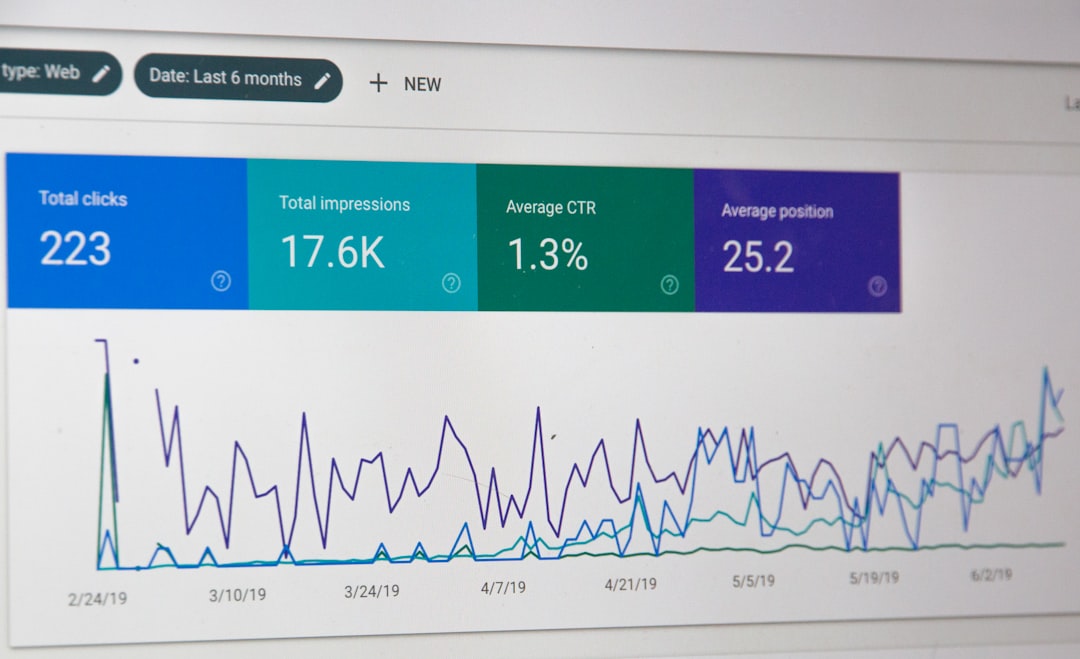
Top Keyword Research Apps Like Ubersuggest
1. Ahrefs
Ahrefs is widely regarded as one of the most powerful SEO platforms available. Its Keywords Explorer delivers extensive data, including search volume, keyword difficulty, clicks per search, and return rate.
Standout Features:
- Accurate keyword difficulty scoring based on backlink profiles
- Comprehensive competitor analysis
- Content gap discovery tool
- Clicks metric (shows actual clicks, not just searches)
Ahrefs shines when you want to reverse-engineer your competitors’ strategies. You can see which keywords drive the most traffic to competing domains and uncover opportunities they may have overlooked.
2. SEMrush
SEMrush is an all-in-one digital marketing suite, and its Keyword Magic Tool is particularly robust. It supports massive keyword databases and offers extensive filtering options.
Standout Features:
- Advanced keyword grouping
- Search intent categorization
- Competitive density analysis for PPC
- Topic research tools
What makes SEMrush especially useful is its integration of keyword research with paid advertising insights. If you’re running both SEO and PPC campaigns, this unified data can reveal powerful cross-channel opportunities.
3. Moz Keyword Explorer
Moz has long been a trusted name in SEO. Its Keyword Explorer emphasizes simplicity without sacrificing actionable insights.
Standout Features:
- Priority score combining volume, difficulty, and CTR
- SERP analysis with domain authority metrics
- Strong educational resources
Moz’s unique Priority Score helps you quickly identify keywords worth targeting, particularly useful for businesses with limited time or smaller content teams.
4. KWFinder (Mangools)
KWFinder is known for being intuitive and visually clear. It’s particularly popular with bloggers, affiliate marketers, and small businesses.
Standout Features:
- Easy-to-read SERP overview
- Local keyword research
- Competitive analysis for low-difficulty terms
If your strategy focuses on ranking for long-tail keywords with lower competition, KWFinder can be a strong and cost-effective option.
5. AnswerThePublic
Unlike traditional keyword tools, AnswerThePublic focuses on question-based searches. It visualizes search queries based on what users ask around a topic.
Standout Features:
- Question-focused keyword discovery
- Content inspiration visualization
- Long-tail keyword opportunities
This tool excels in the ideation stage. It helps you tap directly into your audience’s curiosity and build content around highly specific queries.

Comparison Chart of Keyword Research Tools
| Tool | Best For | Keyword Difficulty Accuracy | Competitor Analysis | Content Ideation | Pricing Level |
|---|---|---|---|---|---|
| Ahrefs | Advanced SEO professionals | Very High | Excellent | Strong | Premium |
| SEMrush | SEO and PPC teams | High | Excellent | Very Strong | Premium |
| Moz | Balanced SEO strategy | High | Strong | Moderate | Mid Range |
| KWFinder | Bloggers and small businesses | Moderate to High | Good | Moderate | Affordable |
| AnswerThePublic | Content ideation | N A | Limited | Excellent | Affordable |
How These Tools Help You Discover New Opportunities
1. Identifying Long-Tail Keywords
Long-tail keywords often have lower competition and higher conversion rates. Tools like KWFinder and AnswerThePublic help you uncover highly specific queries that larger competitors may ignore.
Example: Instead of targeting “running shoes,” you might discover “best trail running shoes for flat feet.” That narrower focus can yield faster results.
2. Analyzing Keyword Gaps
Gap analysis features in Ahrefs and SEMrush allow you to compare your site with competitors to reveal:
- Keywords they rank for that you don’t
- Emerging search terms in your niche
- Under-optimized content areas
These insights often uncover “low-hanging fruit” opportunities that can dramatically improve your content strategy.
3. Evaluating Search Intent
Modern keyword tools increasingly categorize queries by search intent:
- Informational
- Navigational
- Commercial
- Transactional
Targeting keywords based on intent ensures that your content aligns with what users actually want. SEMrush is especially strong in this area.
4. Monitoring Trends
Spotting rising search trends early can give you a competitive advantage. Many tools now integrate historical data and trend graphs so you can:
- Identify seasonal patterns
- Track emerging industry topics
- Publish content before competitors

5. Evaluating SERP Competition
Keyword research apps now show detailed SERP analysis, including:
- Domain authority of top-ranking pages
- Backlink counts
- Content length
- Featured snippet presence
This information helps you realistically gauge whether a keyword is within reach or requires a long-term strategy.
Choosing the Right Keyword Research Tool
When deciding which app to use, consider the following:
Your Budget: Premium tools offer comprehensive data but may not be cost-effective for beginners.
Your SEO Experience: Advanced tools can be overwhelming if you’re just starting out.
Your Goals:
- If you focus on blogging: consider KWFinder or AnswerThePublic.
- If you manage multiple clients: SEMrush or Ahrefs may be better.
- If you want balanced ease and accuracy: Moz provides a middle ground.
Many professionals use more than one tool. For example, they might use AnswerThePublic for idea generation and Ahrefs for difficulty validation.
Maximizing Results from Any Tool
No tool guarantees rankings on its own. To truly capitalize on keyword research insights:
- Create high-quality, intent-driven content
- Build relevant backlinks
- Optimize technical SEO
- Continuously update and refresh pages
- Track performance and iterate
The real power lies not just in collecting keyword data but in applying it strategically.
Final Thoughts
Keyword research apps like Ubersuggest—and its many alternatives—have transformed how businesses approach SEO. They offer more than just lists of search terms; they provide actionable intelligence about your market, competitors, and audience behavior.
Whether you choose Ahrefs for deep analytics, SEMrush for cross-channel insights, Moz for balanced simplicity, KWFinder for long-tail discovery, or AnswerThePublic for creative inspiration, each tool opens new paths to growth. The key is aligning the software with your strategy and staying adaptable as search behavior evolves.
In the end, successful SEO isn’t about finding any keyword—it’s about finding the right opportunities at the right time. With the right research app in your toolkit, those opportunities become far easier to spot—and much easier to win.