
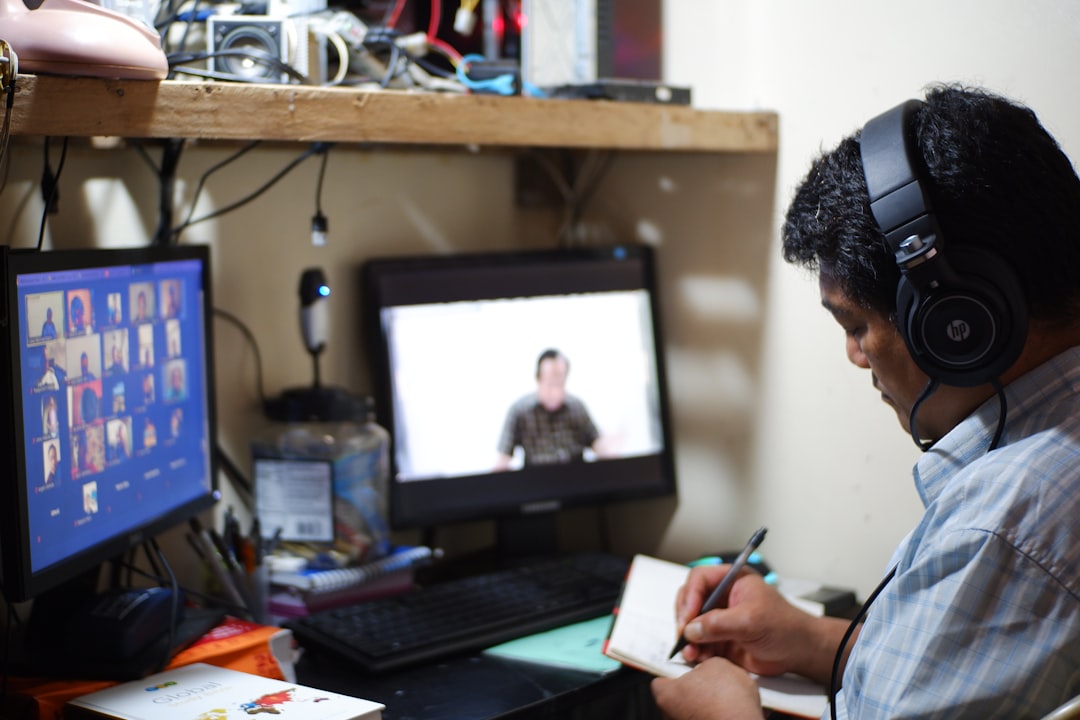
As remote learning and distributed workforces become permanent features of modern education and professional certification, institutions face a critical challenge: how to preserve academic integrity outside traditional testing centers. Online proctoring platforms like Examity have emerged as structured, technology-driven solutions designed to monitor remote assessments while maintaining fairness, security, and compliance. These systems combine identity verification, real-time monitoring, artificial intelligence, and data analytics to ensure that remote exams remain credible and defensible.
TLDR: Online proctoring platforms like Examity help institutions securely administer remote exams through identity verification, live or AI monitoring, and detailed reporting. They protect academic integrity while offering flexibility for students and organizations. When implemented thoughtfully, these solutions balance security with user privacy and accessibility. As remote education grows, proctoring technology has become a cornerstone of trustworthy digital assessment.
The Growing Need for Remote Proctoring
Online education has evolved from a supplemental learning format to a primary delivery model for universities, certification bodies, and corporations. Alongside this growth comes the increased risk of academic dishonesty, identity fraud, unauthorized collaboration, and content leakage. Traditional in-person proctoring once mitigated these risks, but remote learners require comparable oversight without sacrificing convenience.
Institutions today must meet several key objectives:
- Verify the identity of the test taker.
- Prevent unauthorized resources during the exam.
- Maintain fairness across all examinees.
- Document and defend the integrity of testing outcomes.
Online proctoring platforms address these concerns by creating structured digital environments where exams can be conducted securely from virtually any location.
How Online Proctoring Platforms Work
Platforms like Examity operate through a combination of technical safeguards and human oversight. While specific features vary by provider, most solutions include layered monitoring systems designed to detect suspicious behavior without unnecessarily disrupting legitimate test takers.

1. Identity Verification
Before an exam begins, candidates must confirm their identity. This typically involves:
- Government-issued ID verification
- Facial recognition matching
- Knowledge-based authentication questions
- Biometric keystroke analysis (in advanced systems)
This initial authentication ensures that the registered candidate is the individual taking the assessment.
2. Environment Scanning
Test takers may be required to use their webcam to provide a 360-degree scan of their surroundings. Proctors confirm that no unauthorized materials, secondary devices, or additional people are present in the testing space.
3. Live or AI-Based Monitoring
Monitoring models generally fall into three categories:
- Live Proctoring: A trained proctor observes the candidate in real time through webcam and screen sharing.
- Recorded Proctoring: The session is recorded and reviewed later by trained staff.
- Automated Proctoring: Artificial intelligence detects anomalies such as unusual eye movement, background noise, or multiple faces on screen.
Institutions can select the level of supervision appropriate for the exam’s stakes and sensitivity.
4. Secure Browser Technology
Most platforms require the use of a secure browser that restricts navigation away from the exam interface. This prevents:
- Opening new tabs or applications
- Copying and pasting content
- Accessing messaging services
- Taking screenshots
These technical controls reduce the opportunity for digital misconduct.
Security Features That Protect Assessment Integrity
The credibility of remote assessments depends on the strength of the underlying security framework. Established proctoring providers prioritize compliance, encryption, and audit-ready documentation.
Data Encryption and Privacy Controls
Reputable platforms encrypt video streams, stored recordings, and candidate data. Institutions can establish access restrictions that ensure only authorized personnel review flagged sessions. Furthermore, many providers comply with regulatory standards such as:
- FERPA (Family Educational Rights and Privacy Act)
- GDPR (General Data Protection Regulation)
- SOC 2 security standards
Privacy transparency is essential for building trust among students and professional candidates.
Flagging and Incident Reporting
Modern AI systems identify and flag potential issues such as:
- Frequent off-screen glances
- Unexpected audio disturbances
- Presence of unauthorized devices
- Attempts to exit the exam interface
These flags do not automatically imply misconduct. Instead, they provide context for human review, enabling fair and documented evaluation of each case.
Benefits for Educational Institutions and Certification Bodies
Beyond exam security, online proctoring platforms offer strategic advantages for institutions adapting to digital transformation.
1. Scalability
Remote proctoring allows organizations to administer exams to thousands of candidates worldwide without geographic constraints. This scalability supports:
- Global student enrollment
- Professional licensure across regions
- Workforce certification programs
2. Cost Efficiency
Eliminating physical testing centers reduces overhead related to facility maintenance, staffing, and logistics. Although proctoring services require investment, they often represent a more economical long-term solution.
3. Scheduling Flexibility
Many platforms allow on-demand scheduling, enabling candidates to choose testing times that fit their time zone and personal commitments. This flexibility enhances accessibility while maintaining security standards.
4. Detailed Analytics
Advanced reporting tools provide institutions with data on exam completion rates, flagged incidents, and behavioral trends. This information supports continuous improvement and defensible academic decisions.
Balancing Security with Student Experience
While online proctoring enhances integrity, institutions must carefully balance oversight with fairness and comfort. Excessive surveillance or unclear policies can undermine trust.

Transparency and Communication
Students should be informed about:
- What data is collected
- How recordings are stored
- Who has access to the information
- How long data is retained
Clear communication reduces anxiety and fosters consent-driven participation.
Accessibility Considerations
Platforms must also remain inclusive. Reliable providers accommodate candidates with disabilities, offering adjustments such as:
- Extended testing time
- Alternative verification procedures
- Compatibility with assistive technologies
Ensuring equitable access is as important as preventing misconduct.
Common Concerns and How They Are Addressed
Despite widespread adoption, online proctoring faces scrutiny. Responsible institutions address these concerns directly and systematically.
Privacy
Recording candidates in their personal environments raises legitimate questions. Providers mitigate these risks by allowing controlled room scans, limiting data retention periods, and enforcing strict access controls.
Technical Barriers
Not all candidates have access to high-speed internet or updated hardware. To address this, institutions often:
- Provide clear system requirement guidelines
- Offer practice exams to test compatibility
- Supply alternative arrangements when necessary
False Positives
AI systems may flag behavior that is harmless, such as looking away while thinking. Human review remains essential to distinguish legitimate behavior from suspicious activity.
The Role of Artificial Intelligence in Modern Proctoring
Artificial intelligence has significantly enhanced the efficiency of remote proctoring. Instead of requiring continuous human supervision for every session, AI can monitor multiple exam feeds simultaneously, identifying potential anomalies for further review.
Machine learning algorithms improve over time by analyzing large datasets of recorded sessions. They become better at distinguishing normal test-taking behavior from genuine misconduct patterns. However, ethical deployment remains essential. AI must operate under transparent guidelines and avoid biased decision-making.
Best Practices for Implementing an Online Proctoring Platform
Institutions considering solutions like Examity should approach implementation strategically.
Conduct a Risk Assessment
Determine which exams require heightened scrutiny and which may be suitable for lower levels of monitoring.
Pilot the Program
Launching a small-scale pilot allows administrators to identify technical challenges and gather candidate feedback.
Train Faculty and Staff
Administrators must understand how to interpret proctoring reports and distinguish between minor irregularities and actionable violations.
Create Clear Academic Integrity Policies
Policies should define acceptable behavior, review procedures, and consequences for confirmed misconduct.
The Future of Remote Assessment
As education and professional certification continue evolving, remote assessment will remain integral to global learning ecosystems. Online proctoring platforms are likely to incorporate:
- Enhanced biometric authentication
- More advanced behavioral analytics
- Greater privacy customization options
- Integration with learning management systems
Importantly, future development will focus not only on stronger security but also on improved candidate experience.
Conclusion
Online proctoring platforms like Examity represent a structured and technologically advanced response to the challenges of remote assessment. By combining identity verification, AI monitoring, secure browser systems, and detailed reporting, these platforms help institutions protect the integrity of their credentials. When implemented with transparency, fairness, and accessibility in mind, remote proctoring strengthens—not compromises—the credibility of digital education.
In an era where flexibility and security must coexist, online proctoring has become a trusted mechanism for maintaining high standards in a borderless academic and professional landscape.