
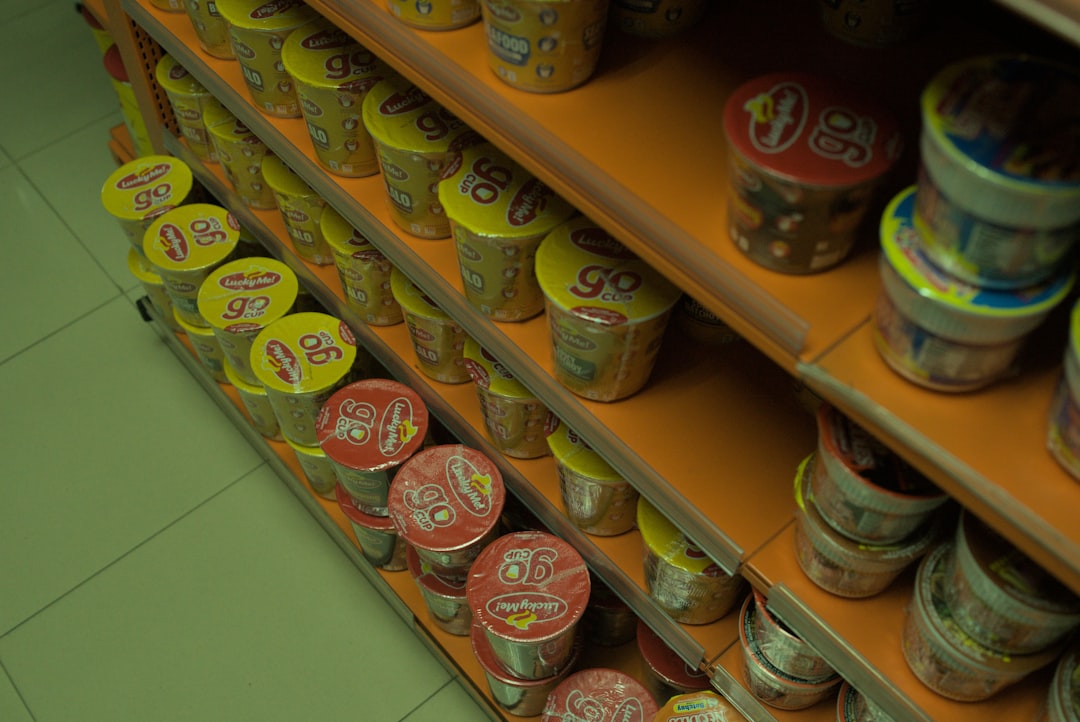
Retailers operate in an environment where margins are tight, competition is constant, and customer expectations shift quickly. In this context, in-store execution is not just a matter of aesthetics—it is a strategic driver of profitability. Retail planogram tools provide the structure, data, and visualization needed to design shelves and displays that maximize space productivity and improve shopper experience. When used correctly, these tools transform guesswork into measurable performance gains.
TLDR: Retail planogram tools help retailers design, visualize, and optimize shelf space to increase sales and operational efficiency. The most effective solutions offer 3D visualization, data integration, retail analytics, space optimization algorithms, compliance tracking, and collaboration features. By using the right mix of these tools, retailers can align merchandising strategy with real-world execution. The result is better product placement, reduced stock issues, and stronger overall store performance.
Below are six retail planogram tools and categories of solutions that consistently help retailers maximize store performance.
1. 3D Planogram Design Software
At the core of effective retail merchandising lies visualization. 3D planogram design software enables retailers to build accurate digital representations of shelves, fixtures, and entire store layouts. Unlike static diagrams, 3D tools simulate real-world conditions, allowing users to see exactly how products will appear on display.
These tools typically offer:
- Drag-and-drop product placement
- Real-scale shelf modeling
- Fixture customization
- Visual simulation of facings and spacing
By visualizing shelves in three dimensions, merchandising teams can quickly identify issues such as overcrowding, poor product blocking, or inconsistent branding. It also enables better collaboration between headquarters and store-level staff.
From a performance perspective, 3D planogram tools reduce costly trial-and-error implementation in physical stores. They allow teams to test multiple configurations before rollout, minimizing disruption and ensuring that each shelf is optimized for both aesthetics and profitability.
2. Space Optimization and Assortment Planning Tools
Shelf space is one of the most valuable assets in retail. Space optimization tools use algorithms and historical data to determine the most effective allocation of products within a defined area. These systems analyze sales velocity, profit margins, seasonal demand, and SKU performance to ensure that high-value items receive appropriate visibility.
Key capabilities typically include:
- Automated SKU rationalization
- Category-level performance analysis
- Demand-based facings recommendations
- Cluster-specific assortment strategies
Instead of assigning shelf space based on intuition, these tools rely on quantifiable metrics. For example, if data shows that a particular SKU generates high revenue per linear inch, the system can recommend allocating additional facings in high-traffic stores. Conversely, underperforming products can be downsized or removed.
This structured approach ensures that every inch of shelf space contributes meaningfully to profitability rather than simply housing inventory.
3. Retail Analytics and Performance Dashboards
Even the most sophisticated planogram will fail if performance is not continuously monitored. Retail analytics dashboards integrate sales data, inventory metrics, and execution compliance reports to evaluate how well planograms are performing in real time.
These dashboards commonly provide:
- Sales per square foot analysis
- Gross margin return on space (GMROS)
- Planogram compliance tracking
- Out-of-stock detection
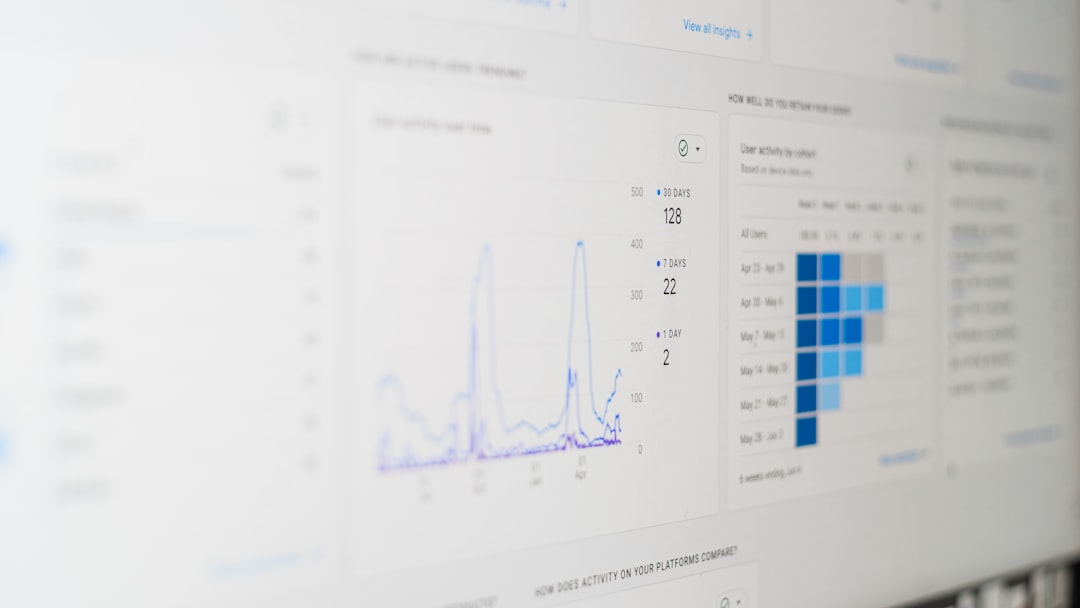
By linking physical layout decisions to measurable business outcomes, retailers can validate whether a merchandising strategy is working. If a new shelf configuration improves visibility but fails to lift conversions, adjustments can be made swiftly. This feedback loop ensures that planograms evolve alongside consumer behavior and market trends.
Data-driven evaluation also strengthens accountability. Store managers can see where compliance gaps exist, and headquarters can identify patterns across regions or store clusters.
4. Planogram Compliance and Audit Tools
Creating a planogram is only half the challenge. Ensuring consistent execution across multiple stores is often more difficult. Compliance and audit tools bridge this gap by verifying that in-store layouts match approved planograms.
Modern compliance tools leverage mobile technology and image recognition. Store staff can capture photos of displays, and software compares them against the intended layout. Discrepancies—such as missing facings or incorrect product placement—are automatically flagged.
Core features often include:
- Mobile auditing applications
- Image recognition-based validation
- Automated compliance scoring
- Task assignment for corrective action
Without compliance tracking, even a well-designed planogram can degrade over time due to operational shortcuts or stock challenges. Audit tools maintain consistency, protecting brand presentation and ensuring promotional strategies are executed correctly.
From a performance standpoint, higher compliance rates correlate directly with improved promotional lift and more predictable sales outcomes.
5. Inventory and Supply Chain Integration Tools
A planogram must align with supply chain realities. If a layout calls for additional facings but replenishment cannot support higher inventory levels, stockouts will undermine sales performance. Integration between planogram tools and inventory management systems ensures alignment between visual merchandising and replenishment planning.
Effective integrations provide:
- Real-time inventory updates
- Automated replenishment triggers
- Forecast-based shelf adjustments
- Store-specific inventory optimization
This synchronization allows retailers to make layout decisions that are operationally feasible. For example, a high-demand seasonal product can receive additional shelf visibility during peak periods without compromising stock availability.
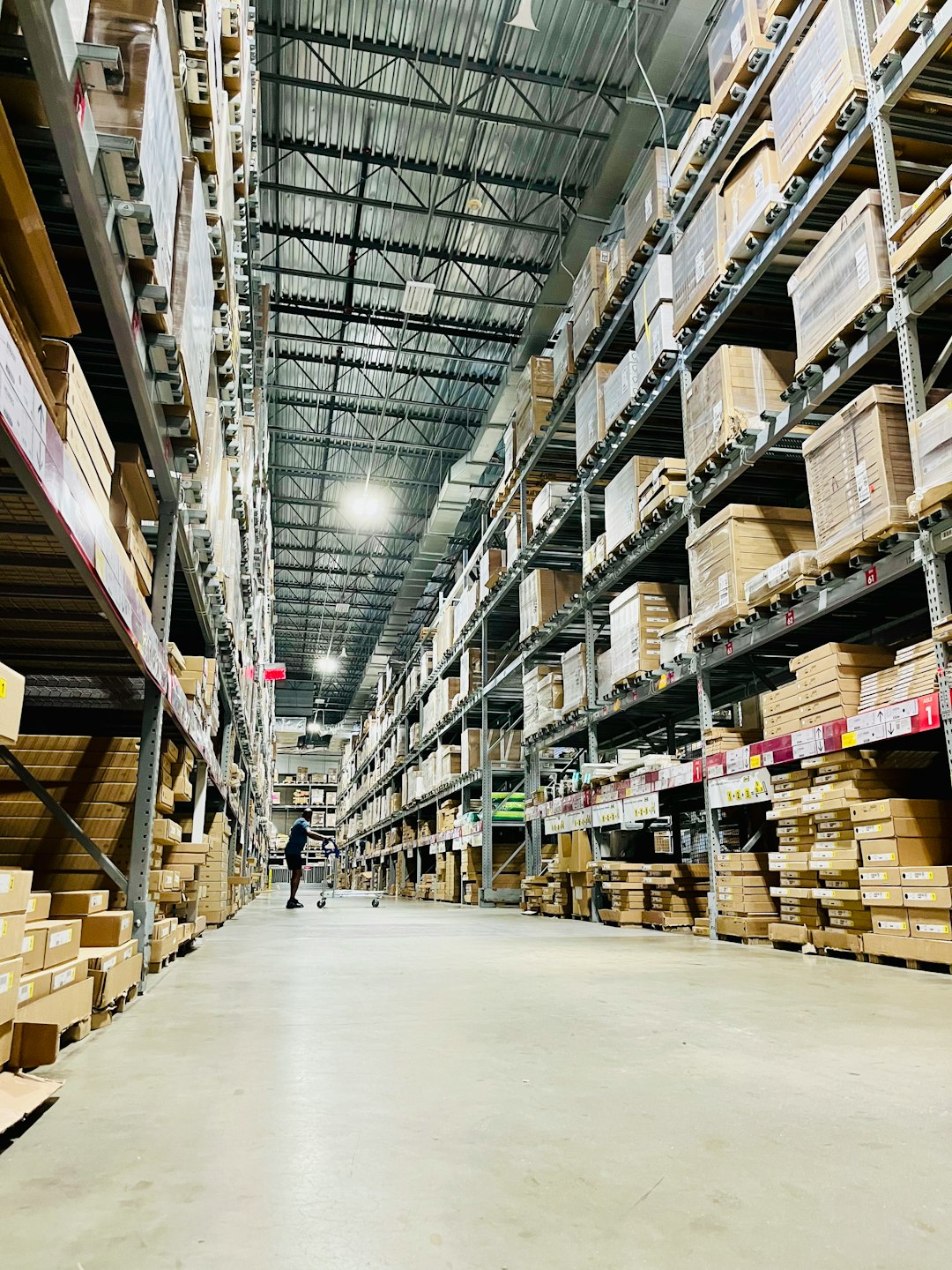
When merchandising and supply chain systems operate in isolation, inefficiencies multiply. Integrated tools reduce overstocks, minimize stockouts, and increase overall sell-through rates, directly contributing to higher store performance.
6. Collaboration and Workflow Management Platforms
Retail merchandising involves multiple stakeholders: category managers, visual merchandisers, store managers, operations teams, and suppliers. Collaboration tools linked to planogram systems streamline communication and accelerate implementation.
These platforms typically offer:
- Cloud-based planogram sharing
- Version control and change tracking
- Approval workflows
- Task assignment and deadline monitoring
Centralized collaboration ensures that every stakeholder is working from the most current version of a planogram. When revisions are made—such as adding a new product or adjusting spacing—updates are immediately accessible to relevant teams.
Workflow transparency also improves accountability. Deadlines for implementation can be clearly assigned, reducing rollout delays and preventing miscommunication between headquarters and individual stores.
Strategic Benefits of Using Planogram Tools
While each of the tools above serves a distinct function, their combined impact is what drives measurable results. Retailers who integrate visualization, analytics, compliance, inventory synchronization, and collaboration into a unified system gain several advantages:
- Improved revenue per square foot
- Higher planogram compliance rates
- Reduced inventory carrying costs
- Enhanced shopper experience
- Faster rollout of promotions and new products
More importantly, these tools transform merchandising from a reactive activity into a strategic discipline. Decisions are based on data rather than assumption. Performance can be measured objectively. Adjustments are implemented systematically rather than inconsistently.
Implementing Planogram Tools Effectively
To maximize store performance, technology must be supported by clear processes and training. Retailers should establish:
- Defined merchandising standards
- Clear performance KPIs
- Structured compliance routines
- Ongoing staff training programs
Additionally, pilot programs are often advisable before full-scale rollouts. Testing tools in select store clusters allows organizations to measure impact, identify operational challenges, and refine workflows.
Finally, leadership alignment is critical. Planogram tools affect multiple departments. Executive support ensures cross-functional cooperation and long-term adoption.
Conclusion
Retail performance is shaped not only by product assortment and pricing strategy but also by how products are presented in-store. Retail planogram tools provide the structure and intelligence required to optimize space, increase compliance, and align execution with strategy.
By leveraging 3D visualization, space optimization algorithms, analytics dashboards, compliance audits, inventory integration, and collaborative workflows, retailers can elevate merchandising from a routine activity to a strategic advantage. In a competitive environment where every square foot matters, investing in the right planogram tools is not optional—it is essential for sustained growth and operational excellence.