
Property maintenance can quickly become overwhelming without the right systems in place. Between tracking repairs, coordinating vendors, managing tenant requests, and staying on top of preventative tasks, property owners and managers often juggle dozens of moving parts. In response to these challenges, property maintenance management platforms have emerged as powerful digital solutions designed to streamline operations and keep everything organized in one central location.
TLDR: Property maintenance management platforms help property owners and managers organize repairs, schedule preventive maintenance, track work orders, and communicate with tenants and vendors more efficiently. These tools centralize data, automate routine processes, and provide real-time insights into property performance. By using the right platform, professionals can reduce costs, improve response times, and maintain better control over their properties. Ultimately, these systems transform reactive maintenance into a proactive, streamlined operation.
Understanding Property Maintenance Management Platforms
A property maintenance management platform is a digital software solution that centralizes and automates tasks related to building upkeep and repair coordination. These systems are used by landlords, property managers, facility managers, and real estate investors to ensure that properties remain safe, functional, and well-maintained.
Rather than relying on spreadsheets, paper logs, or scattered email threads, users can track everything inside a single dashboard. Key features typically include:
- Work order creation and tracking
- Vendor management
- Maintenance scheduling
- Asset tracking
- Mobile access for field teams
- Reporting and analytics
This centralized structure significantly reduces miscommunication and helps ensure that no maintenance issue slips through the cracks.
Why Organization Matters in Property Maintenance
Disorganization in property management can result in missed deadlines, dissatisfied tenants, increased repair costs, and even legal liabilities. Without efficient systems, managers may struggle to track recurring maintenance tasks such as HVAC servicing, plumbing inspections, or safety checks.
Well-organized maintenance operations provide:
- Faster response times to tenant requests
- Lower long-term repair costs through preventive planning
- Better documentation of completed work
- Improved compliance with safety regulations
- Increased tenant satisfaction and retention
By implementing a structured platform, property managers shift from reactive emergency repairs to proactive maintenance planning.
Key Features That Help You Stay Organized
1. Work Order Management
One of the core components of any maintenance platform is a work order management system. Tenants can submit maintenance requests directly through a portal or app, which automatically logs the request, assigns a priority level, and notifies the appropriate staff member or contractor.
Managers can:
- Assign tasks instantly
- Track status updates in real time
- Attach photos and documentation
- Monitor completion timelines

This level of visibility eliminates guesswork and keeps everyone accountable.
2. Preventive Maintenance Scheduling
Preventive maintenance is essential for extending the lifespan of property assets. Maintenance platforms allow users to create recurring schedules for inspections, servicing, and equipment upkeep.
For example:
- Quarterly fire alarm inspections
- Seasonal HVAC servicing
- Annual roof inspections
- Routine landscaping tasks
Automated reminders ensure that these tasks are completed on time. Over time, this reduces emergency repairs and helps property owners avoid costly breakdowns.
3. Centralized Communication
Communication gaps are common in maintenance operations. Emails get lost, phone calls go undocumented, and instructions become unclear. Property maintenance management platforms centralize all communications within the system.
Tenants, staff, and vendors can exchange messages linked directly to specific work orders. This creates a transparent communication trail and reduces misunderstandings.
4. Vendor and Contractor Coordination
Managing multiple vendors can quickly become chaotic. Maintenance platforms allow managers to maintain a database of approved contractors, including:
- Licensing and insurance information
- Contact details
- Performance history
- Pricing agreements
Work can be assigned directly within the system, and invoices can be tracked against completed jobs. This organized structure streamlines vendor relationships and simplifies budgeting.
5. Mobile Accessibility
Many platforms offer mobile apps that allow field technicians to receive job assignments, update statuses, upload images, and close work orders on-site.
This real-time functionality enhances efficiency and ensures that records are updated immediately rather than at the end of the day. Mobile access also helps managers oversee multiple properties without being physically present.
Data Tracking and Reporting Benefits
Beyond basic task management, maintenance platforms provide detailed reporting tools that translate activity into actionable insights. These reports may include:
- Average response times
- Maintenance costs per property
- Recurring issue analysis
- Vendor performance metrics
This data helps managers identify patterns. For instance, if plumbing repairs are consistently high in a certain building, it may signal the need for a larger system upgrade.
Data-driven decision making enables property owners to allocate budgets more accurately and prioritize improvements based on measurable needs.
Asset Management and Inventory Control
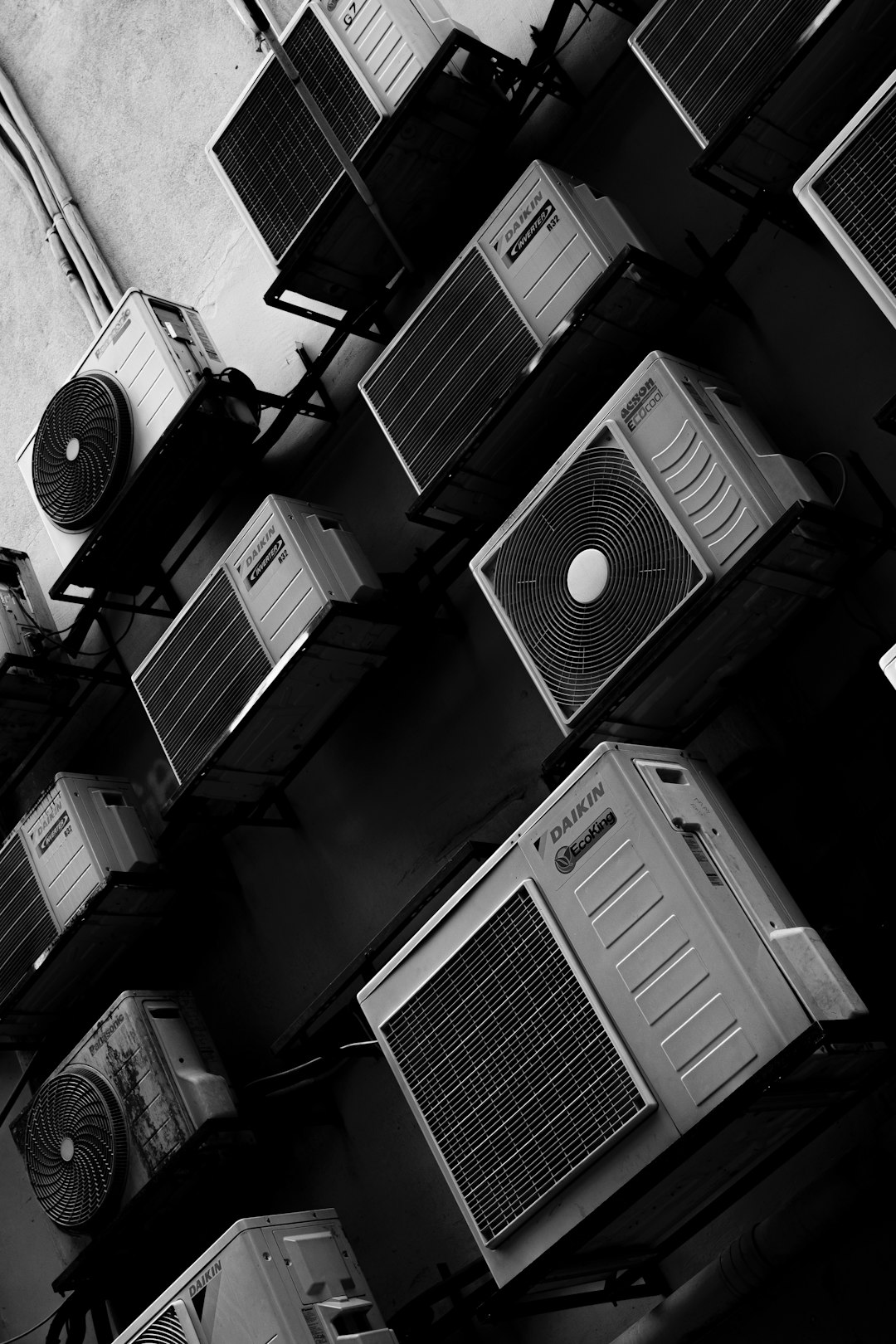
Another important feature is asset tracking. Every property includes valuable components, such as HVAC systems, appliances, elevators, lighting systems, and security equipment. Platforms allow managers to log each asset’s:
- Installation date
- Warranty information
- Maintenance history
- Expected lifespan
This organized record simplifies planning for replacements and upgrades.
Additionally, some platforms provide inventory control features for maintenance supplies. Keeping an updated inventory reduces downtime caused by missing parts and prevents unnecessary overstocking.
Improving Tenant Experience
Tenant satisfaction is closely tied to maintenance responsiveness. A platform that allows tenants to submit requests easily, receive updates, and communicate with management enhances trust and transparency.
Benefits for tenants include:
- 24/7 request submission
- Status visibility
- Faster issue resolution
- Clear communication timelines
When tenants feel heard and see prompt action, lease renewals become more likely. In competitive rental markets, this can significantly impact revenue stability.
Scalability for Growing Portfolios
Manual maintenance coordination may work for a single property, but as portfolios grow, complexity increases. A property maintenance management platform scales with the business. Whether managing five units or five hundred, managers can maintain consistent processes across all locations.
Scalability advantages include:
- Standardized procedures across properties
- Centralized reporting
- Streamlined onboarding of staff and vendors
- Consistent documentation for compliance purposes
This consistency reduces operational risks and ensures that growth does not compromise service quality.
Cost Savings and ROI
Although maintenance platforms require an investment, they often deliver a strong return. Cost savings typically result from:
- Reduced emergency repair expenses
- Improved contractor price tracking
- Less administrative labor
- Extended asset lifespans
When preventive maintenance replaces reactive fixes, long-term property value improves. Additionally, improved documentation reduces disputes and potential legal exposure.
Choosing the Right Platform
Not all property maintenance management platforms are identical. Selecting the right system requires evaluating several factors:
- User-friendliness: Is the interface intuitive?
- Customization options: Can workflows be tailored?
- Integration capabilities: Does it connect with accounting or property management systems?
- Customer support: Is assistance readily available?
- Security features: Is sensitive data protected?
Before committing, many providers offer demonstrations or trial periods. Taking advantage of these can ensure the platform aligns with operational needs.
Conclusion
Staying organized in property maintenance is not simply about keeping records tidy—it directly impacts efficiency, cost control, tenant satisfaction, and long-term asset value. Property maintenance management platforms provide the structure, automation, and visibility needed to manage both routine tasks and unexpected issues effectively.
By centralizing operations into one user-friendly system, property managers gain control over schedules, communication, vendors, and assets. As portfolios grow and expectations increase, these platforms become not just helpful tools but essential components of modern property management.
Frequently Asked Questions (FAQ)
1. What is the main purpose of a property maintenance management platform?
The main purpose is to centralize and streamline maintenance operations, including work orders, scheduling, vendor coordination, and reporting, all within one organized system.
2. Are these platforms suitable for small property owners?
Yes. Many platforms are scalable and offer features tailored to small portfolios, making them beneficial even for landlords managing just a few units.
3. How do maintenance platforms improve cost efficiency?
They reduce emergency repair expenses through preventive scheduling, track vendor performance and pricing, and minimize administrative workload through automation.
4. Can tenants interact directly with the maintenance system?
Most platforms include tenant portals or mobile apps that allow tenants to submit requests, upload photos, and track the status of their maintenance issues.
5. Is mobile access important for maintenance management?
Yes. Mobile functionality allows technicians and managers to update work orders in real time, improving response speed and record accuracy.
6. What features should be prioritized when selecting a platform?
Key features include ease of use, preventive maintenance scheduling, reporting capabilities, vendor management tools, integration options, and strong customer support.