

Managing utility services in today’s digital-first world requires far more than sending out monthly bills. Utility providers must track consumption, calculate accurate charges, process payments, manage customer accounts, and ensure regulatory compliance—all while delivering a smooth customer experience. Utility billing software has become an essential tool that helps companies automate operations, reduce errors, and provide transparent billing and payment solutions. Whether serving residential, commercial, or industrial customers, modern systems offer powerful features designed to simplify complex processes and improve financial control.
TLDR: Utility billing software helps organizations accurately track usage, automate invoicing, and streamline payment collection. It reduces manual errors, improves customer transparency, and supports multiple payment options. With real-time reporting and data analytics, providers can optimize revenue management and operational efficiency. Investing in the right platform ensures scalability, compliance, and long-term growth.
What Is Utility Billing Software?
Utility billing software is a digital platform designed to calculate customer usage, generate invoices, process payments, and manage account information. It is commonly used by electricity, water, gas, waste management, and telecommunications providers. The software replaces manual spreadsheets and disconnected systems with an integrated solution that centralizes billing operations.
Unlike traditional invoicing tools, utility billing platforms are built to handle complex rate structures, tiered pricing models, recurring cycles, and usage-based calculations. Many solutions also integrate with smart meters and IoT devices to automate data collection.
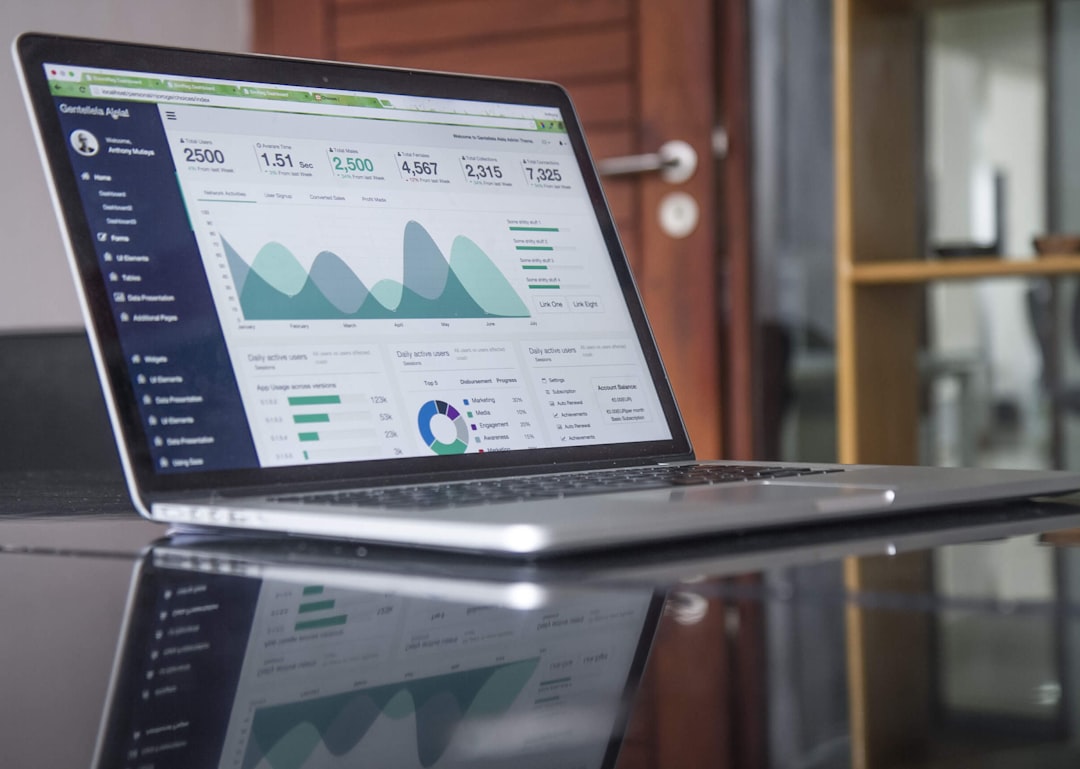
Key Features of Modern Utility Billing Software
Utility providers rely on a variety of built-in tools that simplify day-to-day operations. The most effective systems typically include:
- Automated Meter Data Collection: Imports usage data directly from meters or IoT systems.
- Flexible Rate Management: Supports tiered, seasonal, demand-based, and time-of-use pricing models.
- Invoice Generation: Automatically creates accurate and itemized customer bills.
- Online Payment Processing: Accepts credit cards, ACH transfers, mobile payments, and auto-pay.
- Customer Self-Service Portals: Allows customers to view bills, usage history, and payment status.
- Reporting And Analytics: Provides insights into revenue trends, outstanding balances, and consumption patterns.
- Regulatory Compliance Tools: Maintains audit trails and supports tax calculations.
These features allow providers to eliminate redundant tasks and focus on strategic initiatives such as infrastructure improvements and customer engagement.
How It Helps Manage Payments Efficiently
Payment processing is one of the most critical aspects of utility management. Delays, errors, or limited payment options can result in cash flow challenges and customer dissatisfaction. Billing software ensures payments are handled smoothly and accurately.
Automated invoicing ensures that bills are sent consistently and on time. Integrated payment gateways reduce friction by offering multiple options, including:
- Recurring automatic debits
- Online portal transactions
- In-person kiosk payments
- Mobile app payments
- Bank transfers
Real-time payment tracking allows administrators to see which accounts are paid, pending, or overdue. The system can also trigger automated reminders, late fee calculations, and service notices. This reduces administrative burden and improves collection rates.
Additionally, built-in reconciliation features help finance teams match payments with bank deposits, minimizing discrepancies and accounting errors.
Improving Usage Monitoring And Accuracy
Accurate usage tracking is essential to fair billing. Manual data entry often leads to billing disputes and revenue leakage. Utility billing software connects directly to smart meters and digital monitoring devices to collect real-time consumption data.
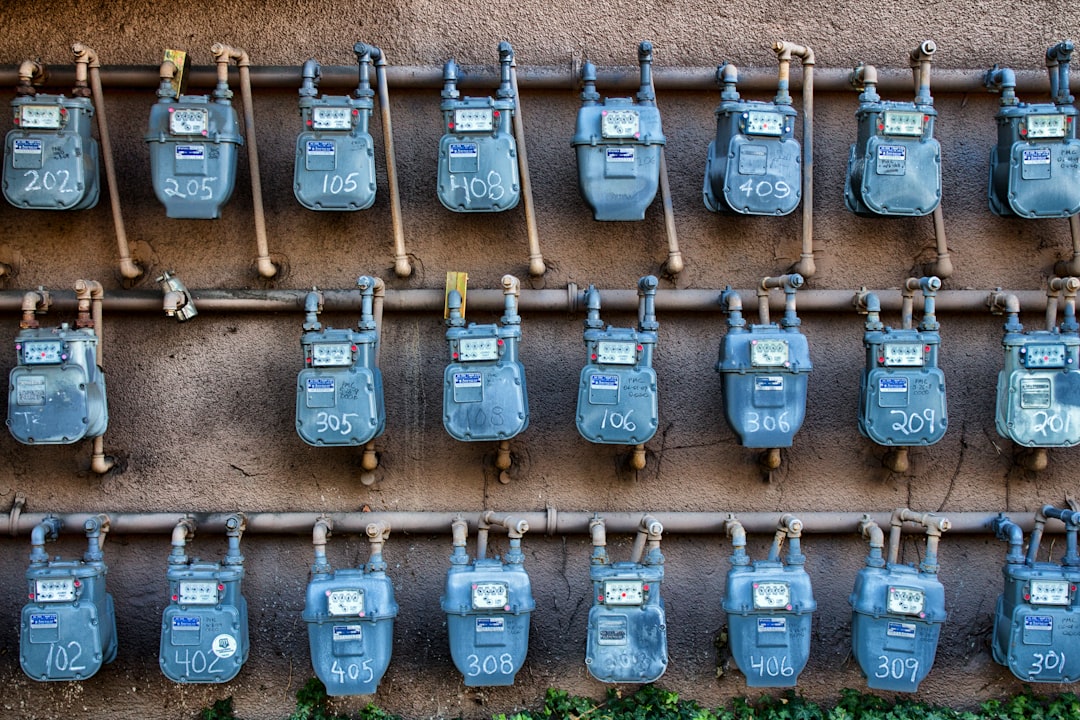
By capturing and validating data automatically, the system eliminates common issues such as:
- Misread meters
- Estimated billing disputes
- Delayed consumption updates
- Data entry mistakes
Providers can also set alerts for unusual consumption patterns, which may indicate leaks, outages, or tampering. Early detection minimizes losses and supports proactive maintenance efforts.
For customers, transparent usage breakdowns increase trust. Detailed reports show exactly how charges are calculated, making bills easier to understand and less likely to be disputed.
Enhancing The Customer Experience
Customer expectations have evolved significantly. People now expect digital convenience similar to online banking or retail services. Utility billing software helps providers deliver this experience through modern self-service tools.
Customer portals allow users to:
- View current and past invoices
- Monitor consumption trends
- Download payment receipts
- Update contact information
- Set up auto-pay options
These self-service capabilities reduce inbound support calls and empower customers to manage their accounts independently. Automated notifications via email or SMS also keep customers informed about due dates, outages, or system updates.
A positive billing experience builds long-term loyalty, especially in competitive deregulated markets.
Data Analytics And Reporting Benefits
One of the most overlooked advantages of modern utility billing software is advanced analytics. Decision-makers gain access to comprehensive dashboards and customizable reports.
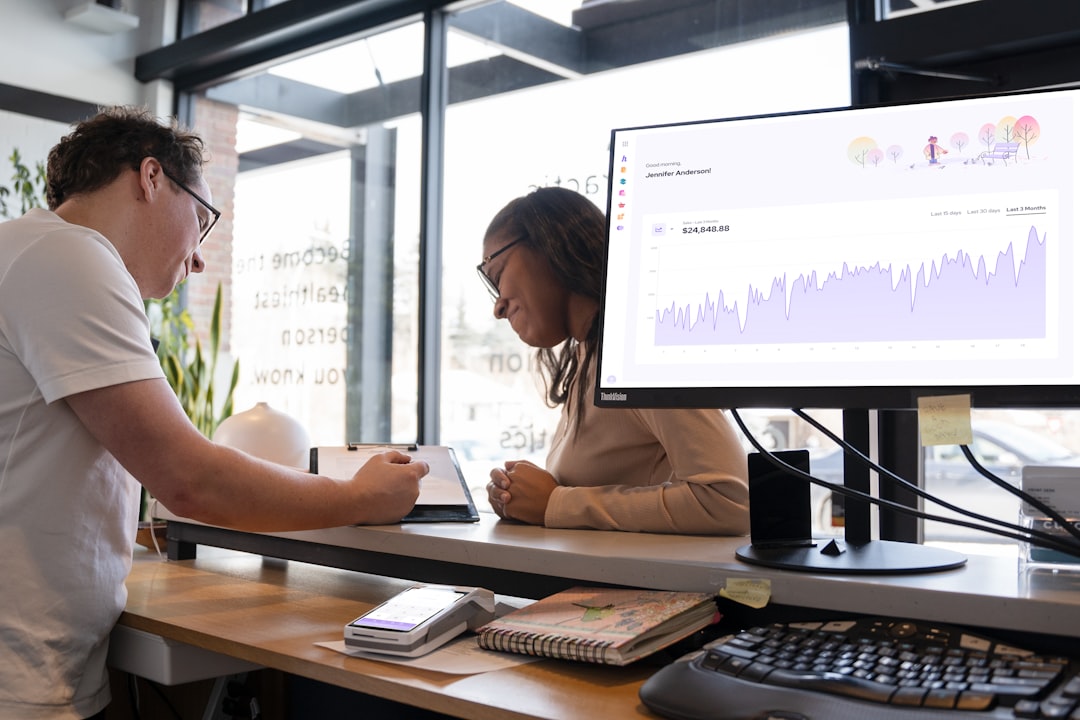
Analytics tools help organizations:
- Identify high-consumption customer segments
- Track revenue performance by service type
- Monitor delinquency rates
- Forecast demand patterns
- Plan infrastructure investments
With predictive insights, providers can make informed pricing adjustments and resource allocation decisions. This data-driven approach improves profitability and sustainability.
Supporting Compliance And Security
Utility companies operate within strict regulatory frameworks. Billing accuracy, data privacy, and financial reporting standards must be consistently maintained. Utility billing platforms support compliance through automated tax calculations, documented audit trails, and secure data storage.
Many systems use encryption protocols and role-based access controls to protect sensitive customer information. Regular system updates ensure alignment with changing regulations, reducing legal risks.
Cloud-based platforms offer additional resilience by providing automatic backups and disaster recovery capabilities.
Scalability For Growing Operations
As communities expand and service demands increase, utility providers must scale operations efficiently. Manual processes become unsustainable as customer bases grow. Utility billing software is designed to handle high volumes of transactions without performance issues.
Scalable features include:
- Multi-property management
- Multi-utility billing within one system
- Custom rate adjustments
- Integration with accounting and CRM tools
This flexibility makes the software suitable for municipalities, private utility providers, property management companies, and energy startups alike.
Cost Savings And Operational Efficiency
While investing in software may require upfront costs, the long-term savings are substantial. Automation significantly reduces labor hours required for data entry, billing adjustments, and payment reconciliation.
Additional cost-saving benefits include:
- Reduced paper and printing expenses through e-billing
- Lower error-related revenue losses
- Faster payment cycles improving cash flow
- Decreased customer service workloads
Over time, improved operational efficiency directly contributes to stronger financial stability.
Choosing The Right Utility Billing Software
Selecting an appropriate solution requires careful evaluation. Organizations should consider:
- Ease Of Integration: Can it connect with existing meters and accounting systems?
- Customization Options: Does it support unique rate structures?
- User Interface: Is the system intuitive for staff and customers?
- Security Standards: Are encryption and compliance measures robust?
- Customer Support: Does the vendor provide reliable technical assistance?
Conducting a thorough needs assessment ensures the selected platform aligns with both current requirements and future growth plans.
The Future Of Utility Billing Technology
The future of billing lies in deeper integration with smart city infrastructure and renewable energy systems. As decentralized energy production increases, billing systems will need to handle net metering, dynamic pricing, and peer-to-peer energy trading.
Artificial intelligence and machine learning are also expected to play a larger role in predictive maintenance and fraud detection. Real-time analytics will become even more important in managing demand and supporting environmental sustainability goals.
Organizations that adopt innovative billing platforms today position themselves to adapt smoothly to tomorrow’s technological advancements.
Frequently Asked Questions (FAQ)
- 1. What types of utilities use billing software?
Electricity, water, gas, waste management, telecommunications, and district heating providers commonly use utility billing systems. - 2. Can utility billing software handle multiple rate structures?
Yes, most modern platforms support tiered pricing, time-of-use rates, seasonal pricing, and customized billing models. - 3. Is cloud-based billing software secure?
Reputable cloud solutions use encrypted data storage, secure payment gateways, and compliance-based safeguards to protect customer information. - 4. How does billing software reduce errors?
It automates meter data collection, invoicing calculations, payment reconciliation, and reporting, minimizing manual input and human mistakes. - 5. Can customers access their usage data online?
Most systems provide self-service portals or mobile apps where customers can view invoices, payment history, and consumption trends. - 6. Does utility billing software integrate with accounting systems?
Yes, many platforms integrate with financial software, CRMs, and meter management systems for streamlined operations. - 7. Is it suitable for small municipalities?
Absolutely. Scalable solutions are available for small towns, large cities, and private utility companies alike.
Utility billing software has transformed the way providers manage payments and usage. By automating essential processes, enhancing transparency, and delivering powerful reporting tools, it supports both operational efficiency and customer satisfaction. As technology continues to evolve, these platforms will remain central to modern utility management strategies.