
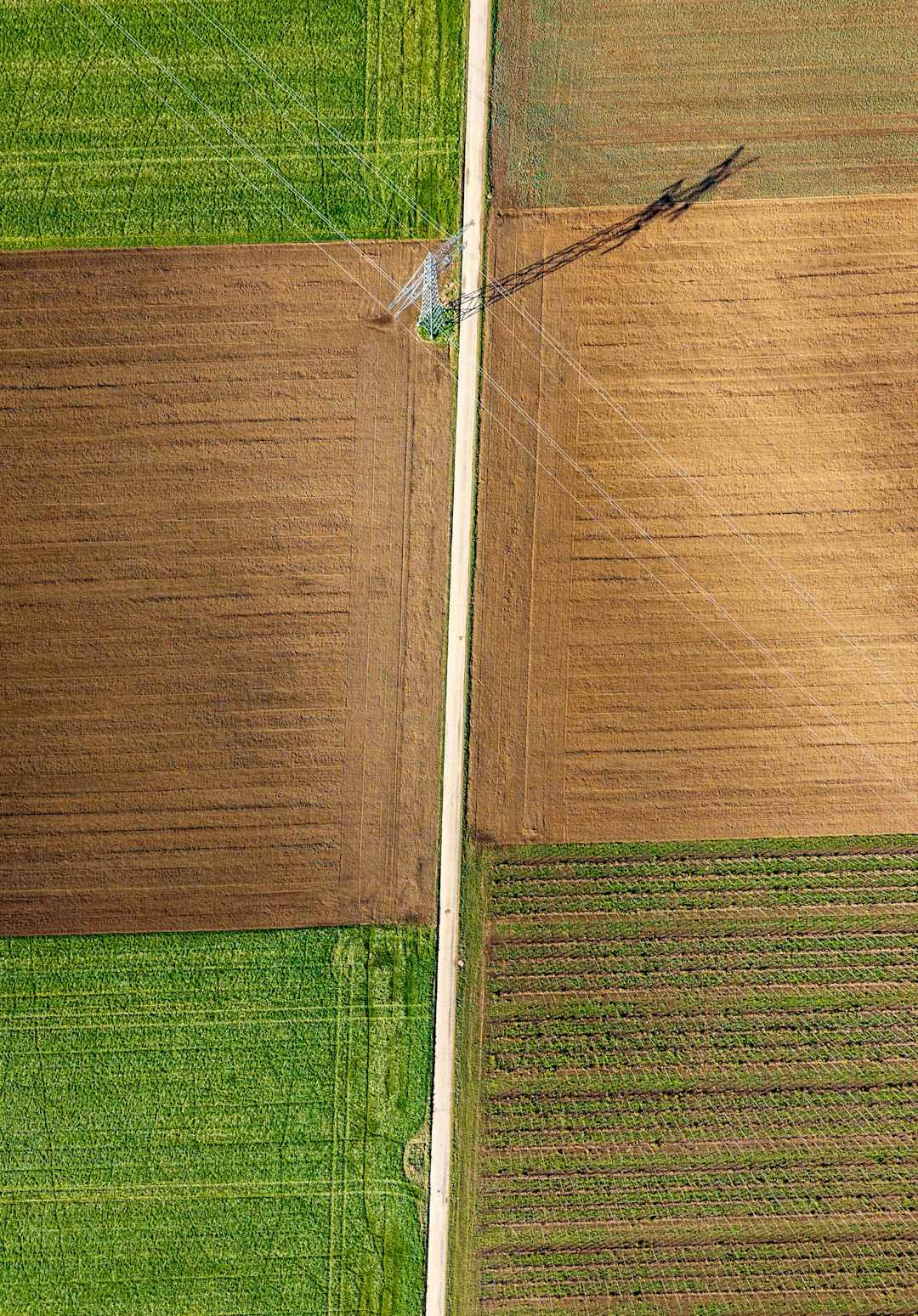
Modern agriculture is no longer driven by instinct and experience alone. Today’s successful farm operations rely on data, automation, and intelligent planning to maximize productivity while reducing waste and risk. As margins tighten and environmental pressures grow, farmers are turning to advanced management tools that simplify complex decisions and bring clarity to day-to-day operations. Whether managing a small family farm or a large-scale commercial enterprise, the right tools can transform productivity, profitability, and sustainability.
TL;DR: Farm management software, precision agriculture technology, and livestock management systems are three essential tools transforming modern agriculture. These technologies improve efficiency, reduce costs, and provide real-time insights into crops, soil, and animals. By integrating data and automation, farmers can make smarter decisions and boost long-term sustainability. Adopting the right mix of tools helps streamline operations and improve overall profitability.
1. Farm Management Software (FMS)
At the heart of modern farm operations lies Farm Management Software (FMS). This digital platform functions as the central hub for planning, monitoring, and analyzing all farm activities. Instead of relying on notebooks, spreadsheets, or scattered records, farmers can consolidate everything in one intuitive system.
Image not found in postmetaFarm management software typically allows users to:
- Track crop cycles from planting to harvest
- Monitor input usage such as seeds, fertilizers, and pesticides
- Manage labor schedules
- Record machinery maintenance
- Analyze financial performance
One of the most powerful advantages of FMS is data centralization. Instead of guessing which fields performed best last season, farmers can pull up precise yield data, input costs, and weather records in seconds. This improves planning accuracy for future planting decisions.
Improved Financial Oversight
Agriculture operates on thin profit margins, making financial visibility crucial. Farm management software provides detailed breakdowns of:
- Cost per acre
- Return on investment for each crop
- Operational overhead
- Equipment depreciation
With this information readily available, farmers can identify inefficiencies and optimize resource allocation. For example, if one crop consistently underperforms financially, producers can reconsider rotation strategies or adjust input levels.
Compliance and Reporting
Regulatory compliance has become increasingly complex. From pesticide tracking to sustainability reporting, documentation requirements continue to expand. Farm management systems automate recordkeeping, reducing paperwork stress and ensuring regulatory adherence.
In essence, FMS transforms farm operations from reactive management to strategic, data-driven planning.
2. Precision Agriculture Technology
Precision agriculture represents one of the most significant technological breakthroughs in farming history. It focuses on using real-time data and advanced tools to monitor variability within fields and apply inputs precisely where needed.
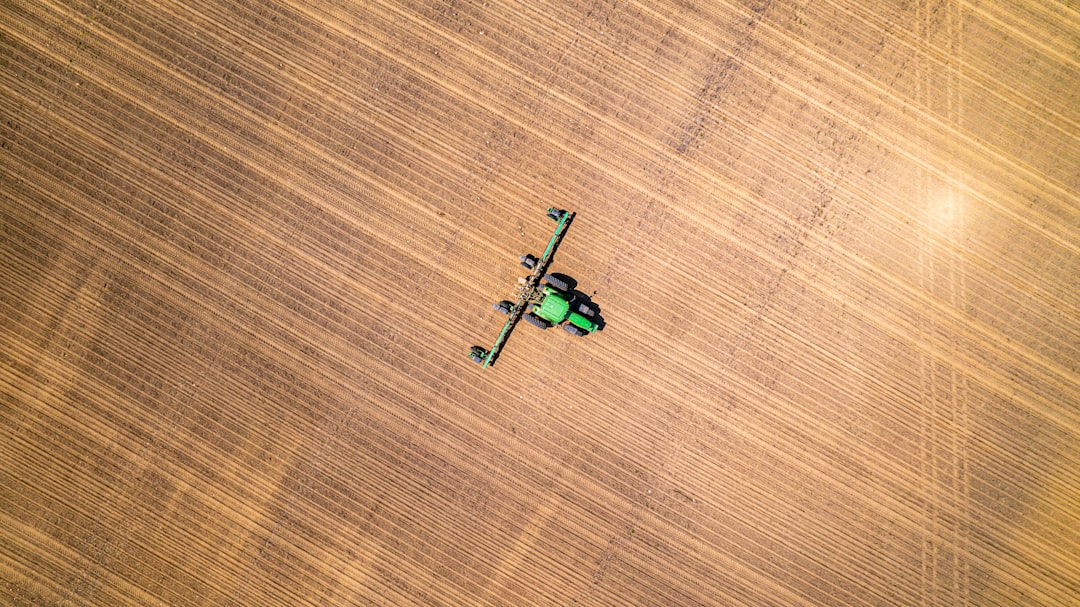
Rather than treating an entire field as uniform, precision farming recognizes variability in soil health, moisture, nutrient levels, and pest pressure. Tools that enable this approach include:
- GPS-guided machinery
- Drones and aerial imaging
- Soil sensors
- Yield monitors
- Variable rate technology (VRT)
Data-Driven Crop Optimization
Drones equipped with multispectral cameras can capture detailed images that reveal plant health through vegetation indices. These images detect stress before it becomes visible to the naked eye, allowing early intervention.
Soil sensors provide real-time moisture and nutrient information, helping optimize irrigation and fertilizer application. Instead of evenly distributing inputs across the entire field, variable rate technology adjusts quantities based on specific zone requirements.
The result:
- Reduced input waste
- Lower production costs
- Improved crop yields
- Enhanced environmental stewardship
GPS and Automated Machinery
GPS-guided tractors and harvesters improve accuracy in planting and harvesting operations. Straight-line guidance reduces overlap during fertilizer spreading or spraying, eliminating unnecessary chemical exposure and saving money.
Automation also reduces operator fatigue and increases consistency. For large-scale farms, even slight improvements in efficiency can result in significant financial gains.
Precision agriculture ultimately shifts farming from broad management practices to highly targeted interventions, maximizing productivity per acre.
3. Livestock Management Systems
For operations that include animals, livestock management tools offer similar transformative advantages. Traditional herd management relied heavily on manual observation and paper records. Today’s systems integrate sensors, identification technologies, and analytics platforms.
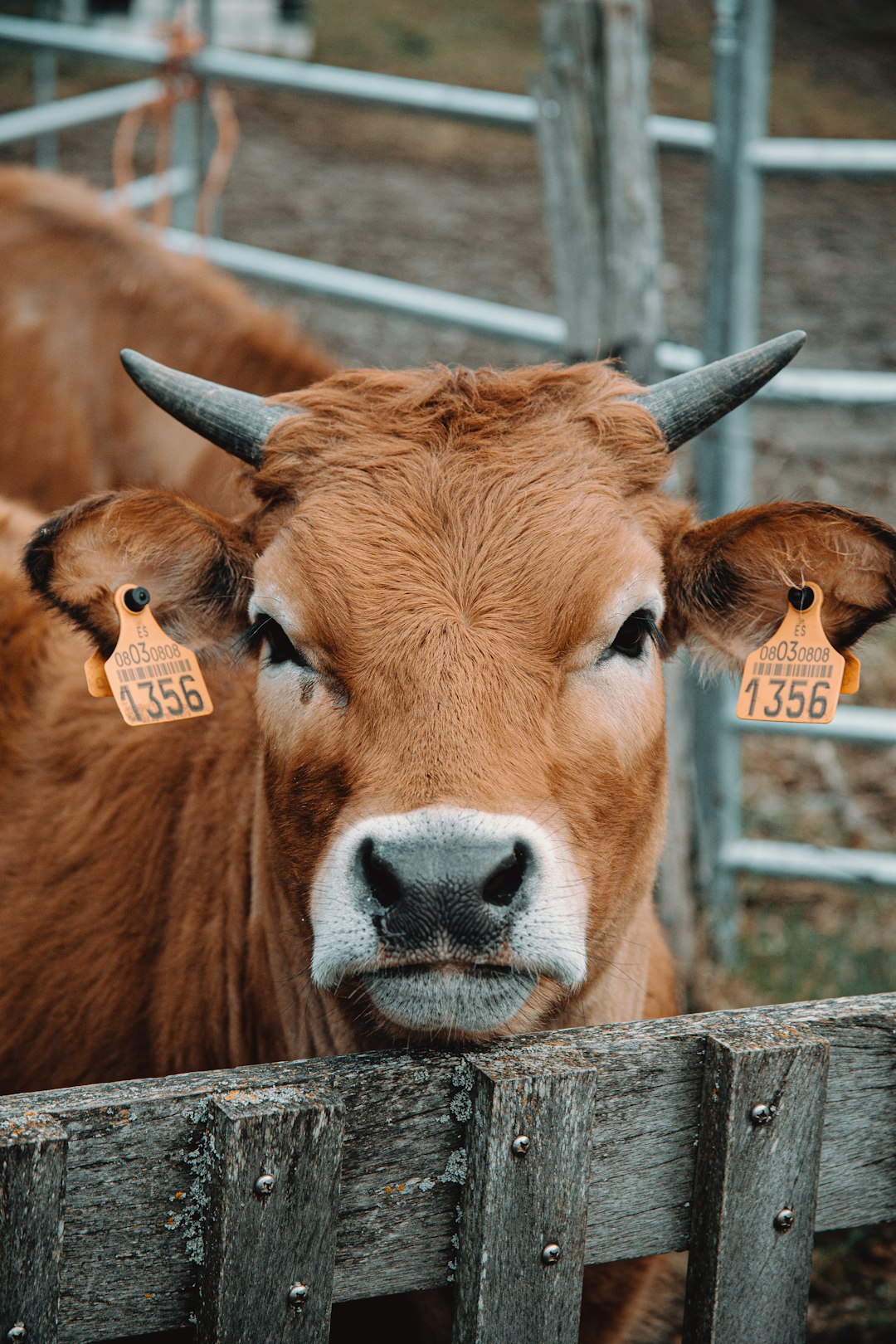
Modern livestock management systems typically include:
- RFID tagging or electronic identification
- Health monitoring sensors
- Breeding and genealogy tracking
- Feed consumption analysis
- Production performance reporting
Real-Time Health Monitoring
Wearable sensors can track animal movement, temperature, and feeding patterns. Sudden behavioral changes can signal illness before visible symptoms appear. Early detection enables prompt treatment, lowering veterinary costs and reducing mortality rates.
This real-time visibility is especially valuable in large herds, where daily manual inspection of each animal may not be feasible.
Optimized Breeding Programs
Data-driven breeding decisions improve genetic outcomes and overall productivity. Livestock systems can track:
- Calving intervals
- Milk yield records
- Weight gain rates
- Reproductive cycles
By analyzing these metrics, farmers can identify top-performing animals and refine breeding strategies for stronger, healthier livestock lines.
Feed Efficiency and Cost Control
Feed represents one of the largest expenses in livestock operations. Management tools that track feed intake and weight gain help determine feed conversion ratios. This allows producers to adjust feed composition and reduce unnecessary costs.
With comprehensive reporting dashboards, farmers gain clear insights into profitability per animal or per herd segment, supporting smarter operational decisions.
Integrating the Three Tools for Maximum Impact
While each tool provides distinct advantages, the real power emerges when they are integrated. Farm management software can serve as the central platform, collecting data from precision agriculture equipment and livestock monitoring systems.
This interconnected ecosystem allows:
- Holistic farm performance analysis
- Improved forecasting and budgeting
- Better risk management
- Simplified long-term planning
For example, weather forecasts integrated into farm software can trigger irrigation adjustments detected by soil sensors. Financial modules can immediately reflect input cost changes. Livestock health alerts can synchronize with labor schedules for rapid response.
This type of coordination was nearly impossible just two decades ago. Today, digital interoperability ensures every piece of farm data contributes to smarter decisions.
The Future of Farm Operations
Agriculture is entering an era defined by efficiency, sustainability, and intelligence. Climate variability, rising production costs, and global food demand are pushing farm operators to rethink traditional practices.
Artificial intelligence, predictive analytics, and automation are becoming increasingly integrated into these three core management tools. As systems evolve, farms will move closer to predictive models that anticipate problems before they occur.
Small and mid-sized farms can also benefit. Many modern platforms are scalable, meaning operators can start with essential features and expand over time. With proper implementation, even incremental technological adoption can deliver measurable gains.
Conclusion
Farm management software, precision agriculture technology, and livestock management systems represent three foundational pillars of modern agricultural operations. Together, they empower farmers to transition from reactive decision-making to proactive, data-informed strategies.
By improving visibility across crops, animals, finances, and resources, these tools enhance productivity while reducing waste and environmental impact. In a world where agricultural efficiency is more important than ever, smart management tools are no longer luxuries—they are essential components of successful farming.
For farm operators seeking long-term resilience and profitability, investing in the right agricultural management technologies could be the most important crop they cultivate.