

Modern transportation businesses operate in a fast-paced environment where efficiency, visibility, and cost control are critical to success. Whether managing delivery vans, service vehicles, trucks, or corporate cars, organizations must know where their assets are, how they are being used, and how efficiently routes are performed. Fleet management software for monitoring vehicles and routes has emerged as a powerful solution to meet these demands, combining GPS tracking, data analytics, and intelligent automation into a single platform.
TLDR: Fleet management software helps businesses monitor vehicles in real time, optimize routes, reduce fuel costs, and improve driver safety. It provides actionable insights through GPS tracking, analytics, and reporting tools. Companies using these systems gain better visibility, lower operating expenses, and enhanced customer service. In today’s competitive market, such software is no longer optional but essential for efficient fleet operations.
What Is Fleet Management Software?
Fleet management software is a digital platform designed to help organizations oversee and coordinate their fleet operations. It integrates technologies such as GPS tracking, telematics, route optimization algorithms, and reporting dashboards to provide a comprehensive overview of fleet activity.
The software connects with on-board tracking devices installed in vehicles. These devices transmit real-time data about:
- Vehicle location
- Speed and driving behavior
- Fuel consumption
- Engine diagnostics
- Maintenance alerts
This information is then displayed through an intuitive dashboard accessible via desktop or mobile devices, allowing fleet managers to make instant, data-driven decisions.

Real-Time Vehicle Monitoring
One of the most powerful features of fleet management software is real-time vehicle monitoring. Using GPS tracking, managers can see the exact location of every vehicle in their fleet at any moment.
This capability offers several benefits:
- Improved dispatching: Assign the nearest vehicle to a new job.
- Theft prevention: Quickly locate stolen or unauthorized vehicles.
- Geofencing alerts: Receive notifications when vehicles enter or leave specific areas.
- Enhanced accountability: Verify work hours and route compliance.
By maintaining constant visibility, businesses can significantly reduce inefficiencies and unauthorized vehicle use.
Route Optimization and Planning
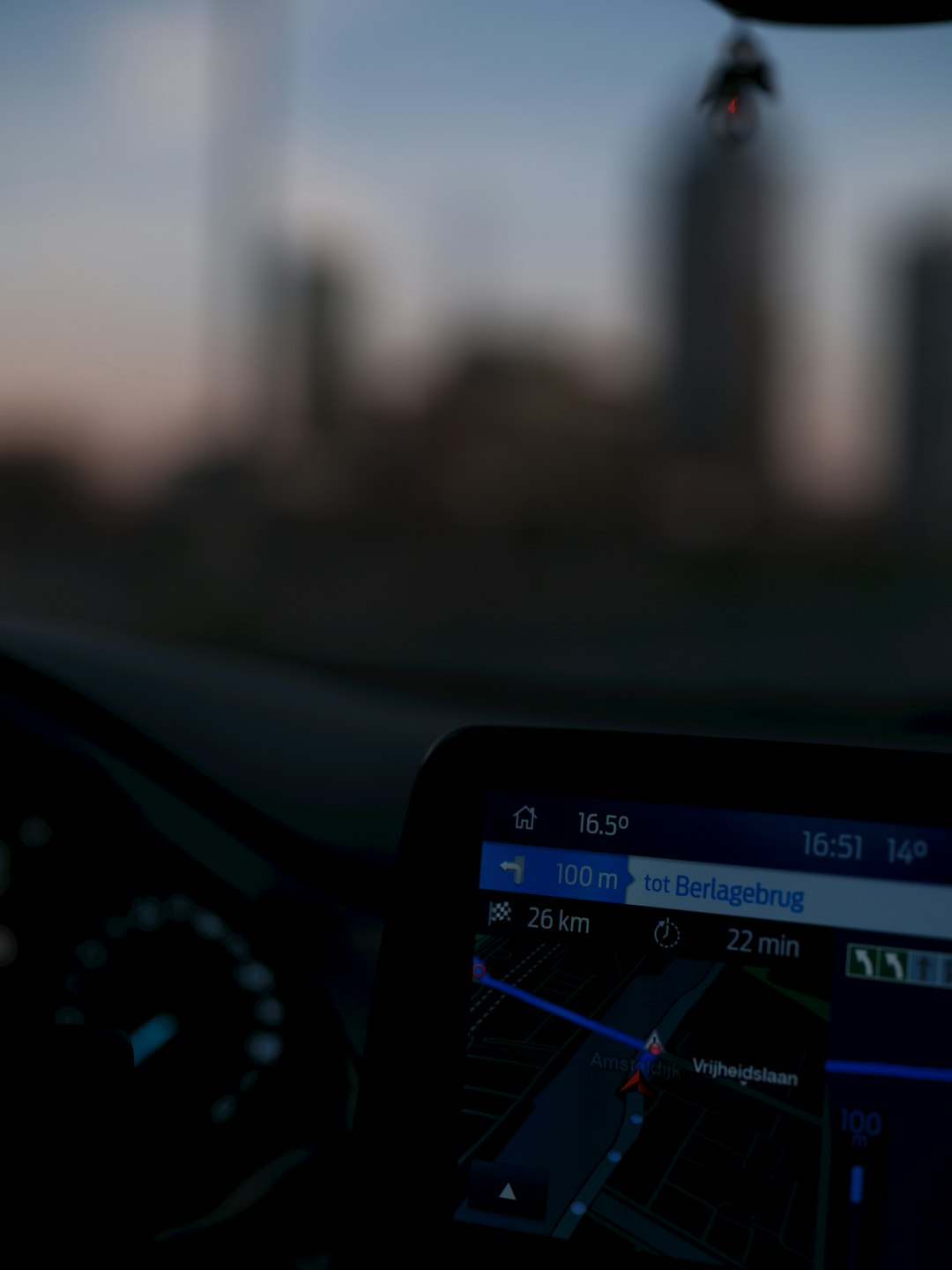
Route planning is no longer limited to static maps and manual calculations. Modern fleet software uses intelligent route optimization algorithms to determine the fastest and most fuel-efficient paths.
The system considers variables such as:
- Traffic congestion
- Road closures
- Delivery time windows
- Vehicle capacity
- Driver schedules
This dynamic adjustment ensures that vehicles avoid delays and minimize unnecessary mileage. Over time, efficient routing reduces fuel expenses, vehicle wear and tear, and overall operational costs.
For delivery companies and logistics providers, optimized routing also enhances customer satisfaction by ensuring accurate and timely arrivals.
Fuel Management and Cost Control
Fuel often represents one of the largest operating expenses in fleet operations. Fleet management software helps monitor and reduce fuel consumption by tracking driving behavior and identifying inefficiencies.
Features that support fuel savings include:
- Idle time monitoring: Alerts when vehicles remain stationary with engines running.
- Speed tracking: Identifies excessive speeding that increases fuel burn.
- Fuel usage reports: Analyzes consumption patterns over time.
- Route efficiency analysis: Highlights routes that waste fuel.
By addressing these factors, businesses can implement targeted training and operational changes that produce measurable cost reductions.
Driver Behavior and Safety Improvements
Safety is a crucial component of effective fleet management. Accidents can result in expensive repairs, insurance claims, reputation damage, and even legal consequences. Fleet management software helps promote safer driving by monitoring behavioral metrics.
The system can track:
- Harsh braking
- Rapid acceleration
- Sharp cornering
- Speeding incidents
- Seatbelt usage (with compatible systems)
Managers can generate driver scorecards that highlight areas for improvement. This data-driven feedback fosters accountability and encourages safer driving habits. In many cases, companies also experience reduced insurance premiums as a result of improved safety records.
Preventive Maintenance and Vehicle Health
Unexpected breakdowns disrupt operations, delay deliveries, and increase repair expenses. Preventive maintenance tracking is another core feature of fleet management software.
By collecting engine diagnostic data and mileage information, the system can automatically schedule maintenance reminders for:
- Oil changes
- Tire rotations
- Brake inspections
- Engine servicing
This proactive approach helps extend vehicle lifespan and ensures compliance with safety standards. Over time, preventive maintenance significantly reduces costly emergency repairs and downtime.
Data Analytics and Reporting
Raw data alone is not enough to drive improvement. Fleet management software transforms large volumes of telematics data into actionable insights through customizable reports and visual dashboards.
Common report types include:
- Fuel efficiency trends
- Driver performance summaries
- Route comparison analysis
- Vehicle utilization reports
- Maintenance cost breakdowns
These analytics allow decision-makers to identify underperforming assets, optimize scheduling, and refine operational strategies. Historical data also assists in forecasting and long-term planning.
Compliance and Regulatory Support
Many industries face strict regulatory requirements related to vehicle operation, driver working hours, and safety standards. Fleet management systems can help ensure compliance by automatically recording necessary information.
Features that support compliance may include:
- Electronic logging devices for driver hours
- Vehicle inspection checklists
- Digital document storage
- Audit-ready reporting tools
Automation reduces human error and ensures accurate documentation, making regulatory audits less stressful and time-consuming.
Improved Customer Service
Customer expectations for fast and transparent service continue to rise. Fleet management software contributes directly to improved customer experiences by enabling:
- Accurate estimated arrival times
- Real-time delivery updates
- Faster response to service requests
- Reduced missed appointments
When businesses can provide precise tracking and reliable timeframes, customer trust increases. This reliability often translates into repeat business and stronger competitive positioning.
Scalability and Integration
Modern fleet management platforms are designed to scale with growing businesses. Whether managing five vehicles or five hundred, organizations can customize features and add new vehicles seamlessly.
Additionally, many systems integrate with:
- Accounting software
- Dispatch systems
- Inventory management tools
- Customer relationship management platforms
This integration creates a unified ecosystem where information flows smoothly between departments, enhancing operational efficiency across the entire organization.
Key Considerations When Choosing Software
When selecting a fleet management solution, decision-makers should evaluate several factors:
- Ease of use: Is the interface intuitive?
- Customization options: Can reports and alerts be tailored?
- Mobile accessibility: Is there a reliable mobile app?
- Scalability: Will it accommodate business growth?
- Security: Are data protection measures robust?
- Customer support: Is technical assistance readily available?
A thorough evaluation ensures that the selected software aligns with operational goals and budget constraints.
The Future of Fleet Monitoring
As technology continues to evolve, fleet management software is becoming even more advanced. Emerging trends include artificial intelligence-driven analytics, predictive maintenance modeling, and integration with electric vehicle monitoring systems.
Smart sensors and connected vehicle technologies will further enhance visibility and automation. In the coming years, businesses can expect even greater precision in route optimization, fuel efficiency, and safety management.
Companies that embrace these innovations will be better positioned to compete in increasingly demanding markets.
Conclusion
Fleet management software for monitoring vehicles and routes offers far more than simple tracking. It provides comprehensive oversight of vehicle performance, driver behavior, route efficiency, and operational costs. By leveraging real-time data and smart analytics, organizations can improve safety, reduce expenses, enhance customer satisfaction, and maintain regulatory compliance.
For businesses that rely on transportation, adopting a powerful fleet management system is a strategic investment that delivers measurable returns. In an industry where efficiency determines profitability, having complete control and visibility over fleet operations makes all the difference.
Frequently Asked Questions (FAQ)
-
1. What types of businesses benefit from fleet management software?
Companies in logistics, delivery services, construction, utilities, public transportation, and field services all benefit from improved tracking, route planning, and operational visibility. -
2. Does fleet management software require special hardware?
Yes, most systems require GPS tracking devices or telematics hardware installed in vehicles. These devices transmit data to the software platform for analysis and reporting. -
3. Can fleet management software help reduce fuel costs?
Absolutely. By optimizing routes, monitoring idle time, and tracking fuel consumption patterns, businesses can significantly reduce fuel expenses. -
4. Is fleet management software suitable for small fleets?
Yes. Many solutions are scalable and designed to support small businesses with just a few vehicles as well as large enterprises with extensive fleets. -
5. How does route optimization improve efficiency?
Route optimization reduces travel distance, avoids traffic congestion, and ensures timely arrivals, ultimately lowering fuel consumption and improving productivity. -
6. Is the data collected by fleet software secure?
Reputable providers use encryption and secure cloud storage to protect sensitive fleet and driver data. It is important to evaluate security protocols before choosing a provider.