
Dental practices today operate in an increasingly complex environment where clinical excellence alone is not enough to ensure success. Administrators and practitioners must manage appointments, patient records, insurance claims, billing cycles, compliance requirements, and communication workflows with precision and efficiency. Dental practice platforms designed for handling patients and billing have become essential tools for modern clinics seeking to improve organization, enhance patient satisfaction, and maintain financial stability.
TLDR: Dental practice platforms integrate patient management, scheduling, billing, and insurance processing into one centralized system. They help clinics reduce administrative errors, accelerate payments, and improve the overall patient experience. By automating repetitive tasks and enhancing data accuracy, these systems support both operational efficiency and regulatory compliance. Choosing the right platform requires careful evaluation of features, security, scalability, and ease of use.
The Role of Integrated Dental Practice Platforms
An integrated dental practice platform is more than a scheduling tool or billing application. It is a comprehensive system designed to centralize clinical, financial, and administrative workflows in a single digital environment. This integration reduces the need for disjointed software tools, minimizing duplication of effort and lowering the risk of data inconsistencies.
Core functions typically include:
- Patient registration and record management
- Appointment scheduling and reminders
- Treatment planning and charting
- Insurance verification and claims submission
- Billing, invoicing, and payment tracking
- Reporting and analytics
By consolidating these processes, dental practices can create a unified workflow that improves internal coordination and enhances patient communication.
Streamlining Patient Management
Effective patient management is foundational to a successful dental practice. A modern platform enables clinics to maintain detailed digital profiles containing medical histories, treatment notes, radiographs, consent forms, and insurance details. This ensures that staff and clinicians have immediate access to accurate, up-to-date information.

Key advantages of digital patient management include:
- Reduced paperwork and manual filing
- Improved accuracy in patient data entry
- Faster retrieval of treatment records
- Enhanced compliance with privacy regulations
Automated appointment reminders via text message or email significantly reduce no-show rates. Many systems also provide patient portals where individuals can complete intake forms, update insurance information, and review treatment plans before arriving at the office. This not only saves time but also demonstrates professionalism and efficiency.
Optimizing Scheduling and Chair Utilization
Scheduling represents one of the most dynamic and challenging aspects of dental practice management. Gaps in the schedule can lead to lost revenue, while overbooking can strain staff and negatively impact patient satisfaction.
Advanced scheduling tools provide:
- Real-time calendar visibility for all providers
- Automated confirmations and rescheduling options
- Color-coded treatment categories
- Waitlist management functionality
By analyzing historical scheduling data, some platforms offer predictive insights to help practices optimize chair time and staffing levels. This data-driven approach supports informed decision-making and smoother daily operations.
Billing and Revenue Cycle Management
Billing is often the most complex administrative responsibility in a dental clinic. It involves patient invoicing, insurance claim submission, payment reconciliation, and follow-up on outstanding balances. Errors in this area can result in delayed payments, denied claims, and revenue leakage.
Dental practice platforms streamline the billing process by:
- Automating insurance verification prior to appointments
- Generating electronic claims with built-in error checks
- Tracking claim statuses in real time
- Posting payments automatically to patient accounts
- Producing financial reports for performance review
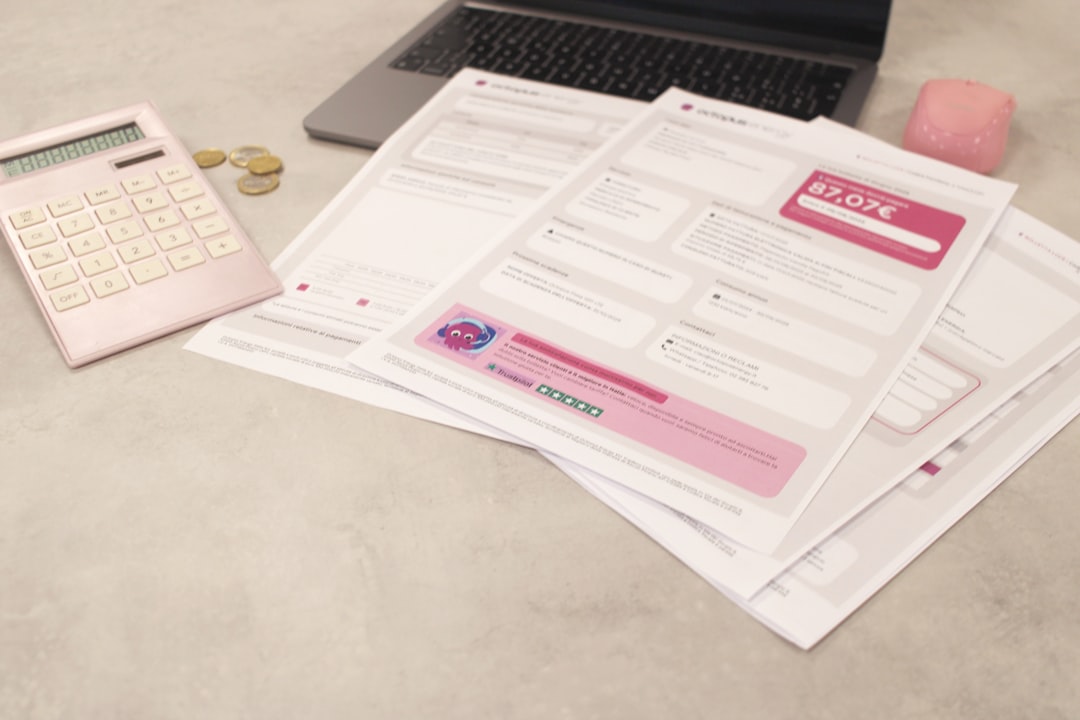
Electronic claim submission dramatically reduces processing time compared to paper-based methods. Built-in validation tools help identify missing codes or inconsistencies before submission, lowering the rate of rejections. As a result, practices experience improved cash flow and more predictable revenue cycles.
Enhancing Financial Transparency
Transparent billing practices strengthen patient trust. Modern platforms generate clear, itemized statements that explain procedures, insurance contributions, and remaining balances. Some systems also offer integrated payment processing, allowing patients to pay through secure online portals.
Important financial features include:
- Automated payment plans
- Recurring billing options
- Point-of-sale integration
- Detailed aging reports
With comprehensive reporting tools, practice owners can monitor key performance indicators such as collection rates, production totals, and outstanding receivables. These insights are critical for maintaining long-term financial health.
Compliance and Data Security
Dental practices handle sensitive personal and medical data. Therefore, any patient and billing platform must prioritize data protection and regulatory compliance. Regulations governing health information require strict controls over access, storage, and transmission.
Reliable platforms provide:
- Encrypted data storage and backups
- Role-based user access controls
- Audit trails for record modifications
- Automatic software updates to address security vulnerabilities
Cloud-based systems, when properly configured, offer secure remote access without compromising patient confidentiality. Vendors should demonstrate clear compliance standards and provide documentation to support regulatory audits.
Improving Communication and Coordination
Efficient communication between front-office staff, dental assistants, hygienists, and dentists is critical. An integrated platform ensures that everyone works from the same dataset, reducing confusion and duplication.
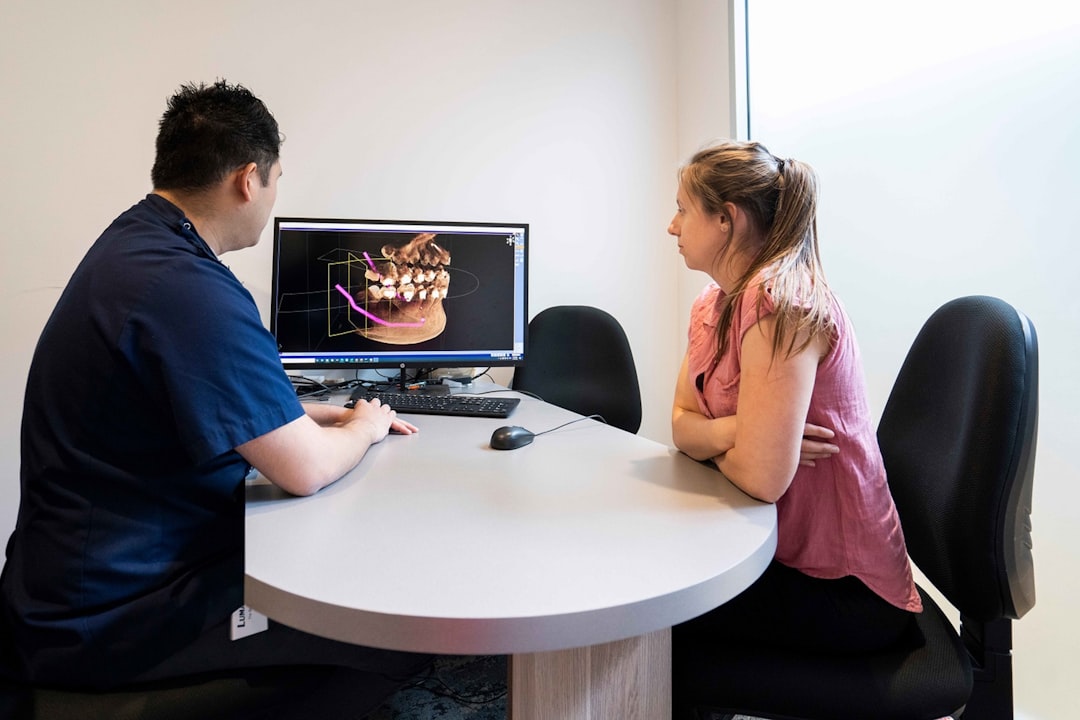
Examples of improved coordination include:
- Immediate access to updated treatment plans
- Notification alerts for unpaid balances
- Internal messaging features
- Shared task lists and reminders
These tools contribute to smoother patient transitions from reception to treatment rooms and back to checkout. Patients notice when processes run seamlessly, reinforcing their confidence in the clinic.
Scalability and Multi-Location Support
For growing practices or dental groups managing multiple offices, scalability is a critical consideration. A suitable platform should support expansion without requiring a complete system overhaul.
Scalable solutions typically offer:
- Centralized reporting across locations
- Standardized billing protocols
- Unified patient databases
- Customizable user permissions per location
With interconnected systems, practice owners can maintain consistent operational standards and monitor performance metrics across the organization.
Evaluating the Right Platform
Selecting a dental practice platform requires a structured evaluation process. Decision-makers should assess not only feature sets but also usability, vendor support, and long-term adaptability.
When comparing solutions, consider the following criteria:
- Ease of implementation and training
- Integration with imaging and accounting software
- Customer support availability
- Data migration assistance
- Total cost of ownership
A demonstration or trial period can reveal whether the interface is intuitive and whether workflows align with existing clinical processes. Staff input is especially valuable during evaluation, as they will interact with the system daily.
Long-Term Strategic Value
Beyond immediate administrative efficiency, a well-implemented dental practice platform provides long-term strategic advantages. Reliable reporting enables evidence-based planning, from marketing investments to staffing decisions. Automated workflows free dental professionals to concentrate more fully on patient care.
Over time, the cumulative benefits include:
- Higher collection rates
- Reduced claim denials
- Improved patient retention
- More consistent regulatory compliance
In a competitive healthcare landscape, efficiency and transparency are not optional—they are expected. Patients value streamlined scheduling, clear billing explanations, and secure handling of their personal data. Platforms that integrate patient and billing management help practices consistently meet these expectations.
Conclusion
Dental practice platforms for handling patients and billing have evolved into comprehensive systems that support both clinical excellence and operational discipline. By centralizing patient records, automating billing cycles, enhancing communication, and strengthening data security, these platforms address the most pressing administrative challenges facing dental clinics today.
Practices that invest thoughtfully in reliable, scalable solutions position themselves for sustainable growth and improved patient relationships. In an environment where precision and trust define success, a robust digital management platform is not merely an efficiency tool—it is a strategic asset.