
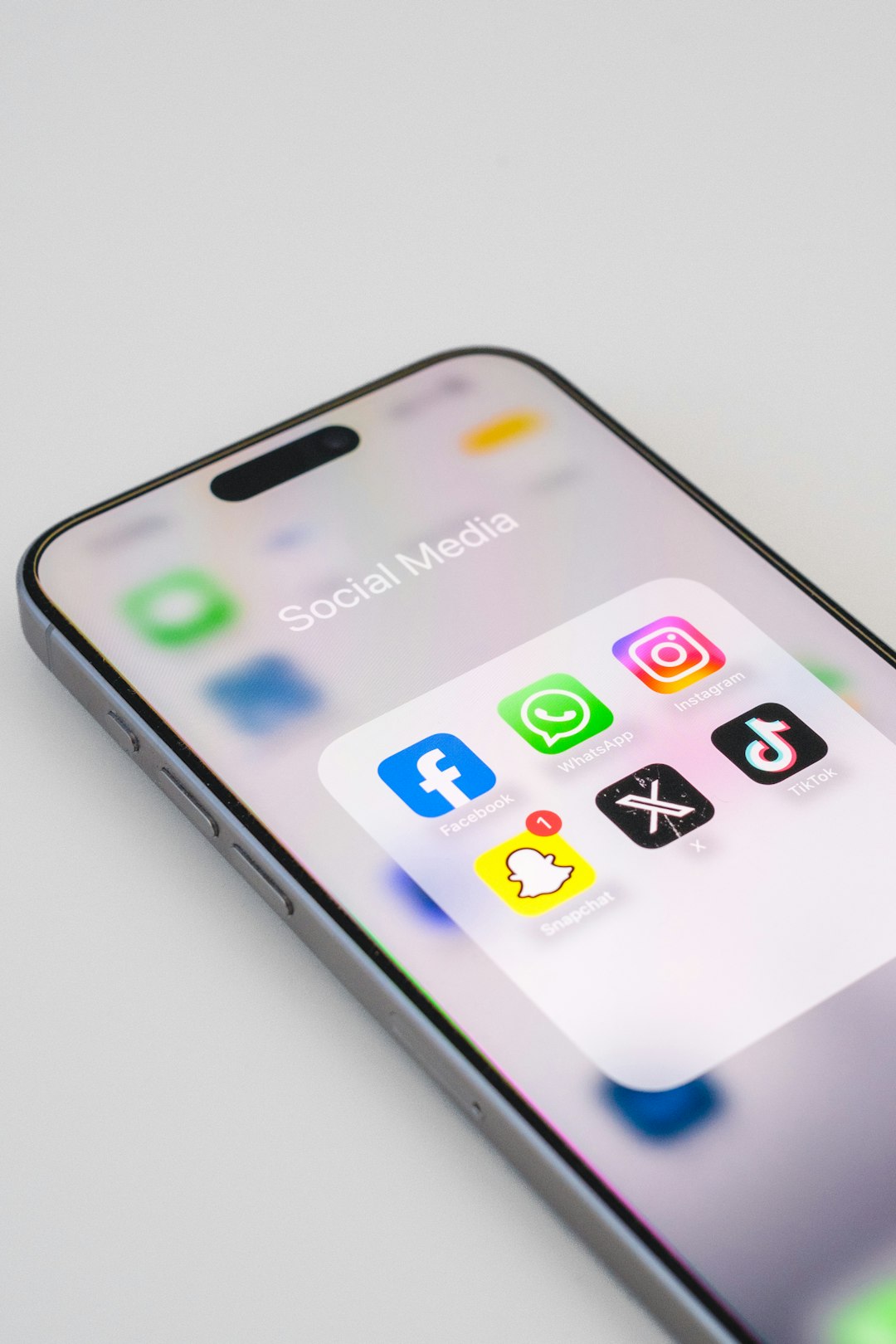
Your iPhone is like a tiny apartment for your apps. Each app has its own little room. In that room, it keeps snacks, notes, photos, settings, cookies, and sometimes a big pile of digital socks. When you clear app data, you are cleaning that room.
TLDR: Clearing app data on an iPhone removes the stuff an app saved on your device. This can free up space and fix weird app problems. But it can also log you out, erase settings, and delete local files. If the data is not backed up to iCloud or the app’s own account, it may be gone for good.
What does “app data” mean?
App data is the information an app stores after you start using it.
Think of the app as a backpack. The app itself is the backpack. The data is everything inside it.
That can include:
- Login details, so you stay signed in.
- Settings, like dark mode or notification choices.
- Cache files, which help the app load faster.
- Downloads, like music, videos, maps, or documents.
- Drafts, such as unsent messages or notes.
- Game progress, if it is stored on the phone.
- Cookies, especially in browsers and shopping apps.
Some app data is useful. Some is just clutter. Some is very important. Some is basically app confetti.

Does iPhone have a “clear app data” button?
Not really.
This is where things get a little silly. Android phones often have a clear data button for each app. iPhones usually do not. Apple keeps things simpler, but also a bit more hidden.
On an iPhone, you usually clear app data in one of these ways:
- Delete the app and then reinstall it.
- Offload the app, which removes the app but keeps its documents and data.
- Use settings inside the app, if the app has a clear cache option.
- Clear Safari history and website data, if you mean browser data.
- Remove downloads inside apps like Netflix, Spotify, or Maps.
So, when people say “clear app data” on an iPhone, they usually mean delete the app data somehow. The exact result depends on the method.
What happens when you delete an app?
When you delete an app from your iPhone, the app is removed. Most of its local data is removed too.
This is the biggest broom.
To delete an app, you can press and hold the app icon. Then tap Remove App. Then choose Delete App.
You can also go to:
- Settings
- General
- iPhone Storage
- Choose the app
- Tap Delete App
After that, the app is gone from your phone. Its saved files on your phone are usually gone too.
But there is a twist.
If the app stores your data in the cloud, your data may come back when you reinstall and sign in. For example, your Instagram photos are not stored only on your iPhone. They live on Instagram’s servers. If you delete Instagram, your account does not disappear. Your photos do not run into the woods.
But if a notes app stores notes only on your iPhone, deleting it could delete those notes. Ouch.
What happens when you offload an app?
Offloading is different from deleting.
Offloading removes the app itself, but keeps its documents and data. It is like taking the backpack away, but leaving the stuff inside it on the shelf.
You can offload an app by going to:
- Settings
- General
- iPhone Storage
- Choose the app
- Tap Offload App
When you reinstall the app, your data should still be there.
This is helpful when you need storage space, but do not want to lose anything. It is a gentle clean. Not a deep clean.
Delete App is like moving out. Offload App is like taking a vacation.
What gets removed when you clear app data?
It depends on the app. But in general, clearing data may remove:
- Cached images and videos
- Temporary files
- Saved login sessions
- App preferences
- Offline downloads
- Local documents
- Search history
- In app browser cookies
Cache is usually safe to remove. It is just stored stuff that helps apps load quickly. For example, a social media app may save profile pictures and videos so it does not have to download them again every time.
But documents and downloads are different. Those can be important. If you downloaded a movie for offline viewing, clearing data may remove it. If you saved a project inside an editing app, deleting the app may remove the project.
So before you clear, ask one tiny but mighty question:
“Is this data saved somewhere else?”
Will clearing app data log you out?
Yes, it can.
If you delete an app and reinstall it, you may need to log in again. The app may forget who you are. It may look at you like a confused goldfish.
This is normal.
Make sure you know your username, email, and password before deleting an app. If you use two factor authentication, make sure you can receive the code.
This is extra important for apps like:
- Banking apps
- Email apps
- Work apps
- Authenticator apps
- Messaging apps
- Crypto wallets
Be very careful with authenticator apps and wallet apps. Some of these need special backup steps. If you delete them without a backup, you may lock yourself out.
Will clearing app data delete photos or messages?
Usually, deleting a social app does not delete your online account. It also usually does not delete messages stored on the service.
For example, if you delete WhatsApp, your local data may be removed. But your chats may come back if you have a backup. If you do not have a backup, they may not.
Messages are tricky. Some are stored in the cloud. Some are stored on your device. Some are backed up only if you turned backup on.
Photos are also tricky.
If a photo is saved in the Photos app, deleting a social media app will not delete that photo. But if a photo is saved only inside a private vault app, deleting that app may delete the photo unless it is backed up.
So do not guess. Check first.
What happens to iCloud data?
iCloud is Apple’s cloud storage. It can save things like photos, notes, backups, files, and app data.
If an app uses iCloud, some data may be stored there. That means it can return after reinstalling the app.
But not every app uses iCloud in the same way. Some apps use their own servers. Some use iCloud. Some store data only on your phone. Some do a weird little dance with all three.
To check iCloud app access, go to:
- Settings
- Your name at the top
- iCloud
- Saved to iCloud or Apps Using iCloud
If the app is listed there, it may be syncing some data. But still be careful. Sync is not always the same as a full backup.
Can clearing app data free storage?
Yes. This is one of the main reasons people do it.
Apps can grow over time. A tiny app can become a storage monster. It starts with a few megabytes. Then come photos, videos, audio files, stickers, maps, and cache. Suddenly, boom. The app is eating your storage like popcorn.
To see which apps are taking space, go to:
- Settings
- General
- iPhone Storage
Your iPhone will show a list of apps. The biggest ones are usually near the top.
You may see two numbers:
- App Size: the size of the app itself.
- Documents and Data: the data the app has stored.
If Documents and Data is huge, clearing app data may help a lot.
Video apps, music apps, podcast apps, and chat apps are common storage goblins.
How to clear Safari data
Safari is a little different. Apple gives Safari its own clear button.
To clear Safari history and website data:
- Open Settings
- Scroll to Safari
- Tap Clear History and Website Data
- Confirm
This removes browsing history, cookies, and other website data. It may log you out of websites. It can also help with website glitches.
It will not delete your bookmarks. Your bookmarks are safe unless you delete them yourself.
Translation: Safari forgets where it has been, but it still remembers your favorite places.
How to clear cache inside apps
Some apps include a cache clearing option. This is the best case. It means you can clear junk without deleting the full app.
Look inside the app’s settings. Search for words like:
- Clear cache
- Storage
- Data usage
- Downloads
- Offline files
- Privacy
For example, streaming apps often let you remove downloaded shows. Music apps let you delete offline songs. Map apps let you remove offline maps.
This can free up space fast. And it is usually safer than deleting the whole app.
Will clearing app data make apps faster?
Sometimes.
If an app is acting buggy, clearing data can help. It gives the app a fresh start. This can fix crashes, loading problems, frozen screens, and strange errors.
But clearing cache can also make an app slower for a short time. Why? Because the app has to download fresh data again.
Imagine throwing away your neatly packed lunch. Now you have to cook again. It may be better food, but it takes time.
After the app rebuilds its cache, it may run normally again.
What should you do before clearing app data?
Before you tap delete, do a quick safety check.
- Check backups. Make sure important data is saved.
- Know your login info. You may need it again.
- Save local files. Export documents, photos, or projects.
- Check cloud sync. Make sure it is turned on if needed.
- Be careful with security apps. Authenticator and wallet apps need extra care.
If the app has important memories, money, work files, or secret recipes, slow down. Tap less. Think more.
When should you clear app data?
Clearing app data is useful when:
- Your iPhone is low on storage.
- An app keeps crashing.
- An app is loading old or broken information.
- You want to log out fully.
- You are selling or giving away your phone.
- You want to remove downloads you no longer need.
It is also helpful when an app feels haunted. You tap one thing, and it does another. You open it, and it spins forever. You close it, and it returns with drama. A clean reinstall can be the digital equivalent of opening a window.
When should you not clear app data?
Do not clear app data if you are unsure where the data is saved.
Be careful with:
- Apps that hold private photos.
- Note apps with local notes.
- Drawing or music creation apps.
- Games without cloud saves.
- Authenticator apps.
- Finance or wallet apps.
- Work apps with offline files.
If the app has an export button, use it. If it has a backup option, turn it on. If you are not sure, search the app’s help page first.
What is the safest way to start?
Start small.
First, remove downloads inside the app. Then clear cache if the app allows it. Then offload the app if you need more space. Delete and reinstall only when you are ready for a deeper reset.
Here is a simple order:
- Delete unused downloads.
- Clear cache inside the app.
- Offload the app.
- Delete and reinstall the app.
This way, you do not use the giant hammer first.
The simple takeaway
Clearing app data on an iPhone can be great. It can free space. It can fix bugs. It can make your phone feel lighter and cleaner.
But it can also remove things you care about. It may log you out. It may delete local files. It may reset settings. It may erase game progress if that progress is not backed up.
So treat app data like a messy closet. Some stuff is trash. Some stuff is treasure. Before you throw everything out, check the pockets.
Clean smart. Back up first. Then enjoy your fresh, tidy iPhone.