
For organisations competing in one of the world’s most active commercial centres, London email marketing services offer a disciplined, measurable and cost-effective way to communicate with customers, prospects and stakeholders. Whether a company is a financial services firm in the City, a hospitality group in Soho, a retailer in Shoreditch or a professional consultancy serving clients across Greater London, email remains one of the most reliable channels for building relationships and driving revenue when it is handled with care, strategy and compliance.
TLDR: London email marketing services help businesses create targeted, compliant and measurable campaigns that support growth, retention and customer engagement. A strong provider should offer strategy, copywriting, design, automation, segmentation, reporting and data protection expertise. The best results come from combining local market understanding with professional technology, clear messaging and continuous optimisation. For serious businesses, email marketing is not simply about sending newsletters; it is about building trust over time.
Why Email Marketing Still Matters in London
London is an intensely competitive market. Customers are exposed to thousands of brand messages every week, from search advertisements and social media posts to outdoor campaigns and direct sales outreach. In this environment, email has a distinct advantage: it reaches people in a space they still use for serious communication, purchasing decisions and professional updates.
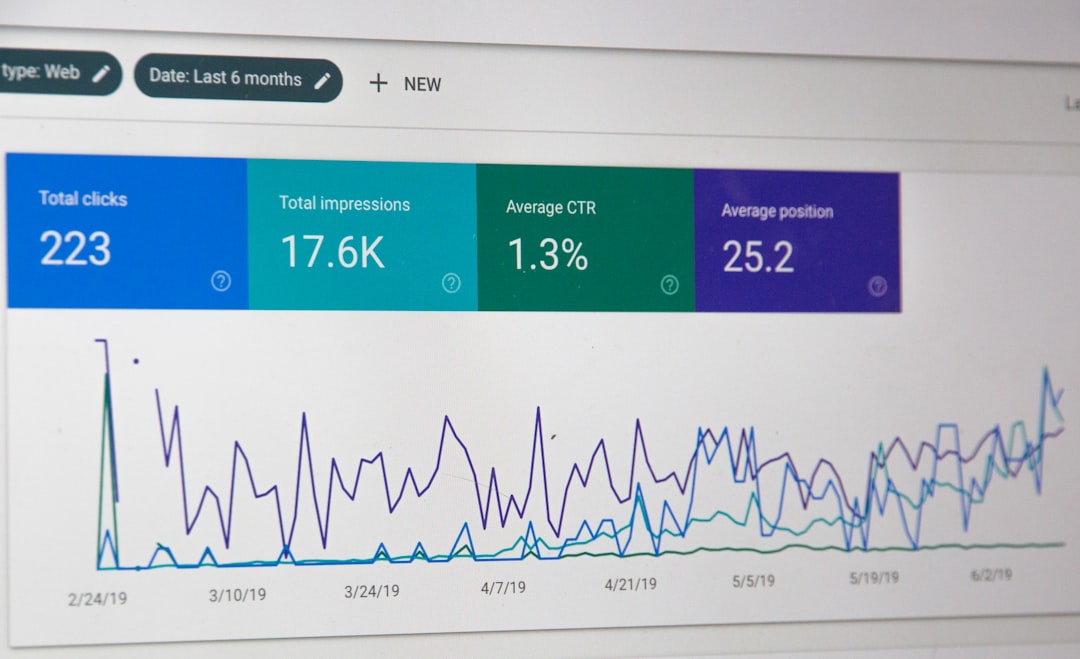
Email marketing is also highly measurable. A business can track open rates, click-through rates, conversion rates, unsubscribe rates and revenue attribution with greater clarity than many traditional channels. This makes it especially valuable for London companies that need to justify marketing spend and demonstrate return on investment to directors, investors or department heads.
However, effective email marketing is not about volume alone. Sending frequent, poorly targeted messages can damage a brand’s reputation and reduce engagement. Professional email marketing services focus on relevance, timing, segmentation and trust. The goal is to send the right message to the right audience at the right moment.
What London Email Marketing Services Typically Include
A professional email marketing agency or consultant in London will usually provide a combination of technical, creative and strategic services. These may include:
- Email strategy: Defining campaign goals, audience groups, message themes and performance indicators.
- List management: Cleaning, organising and segmenting subscriber databases to improve deliverability and relevance.
- Copywriting: Creating clear, persuasive and brand-appropriate email content.
- Template design: Producing responsive email layouts that display properly on desktop, tablet and mobile devices.
- Automation: Building sequences such as welcome emails, abandoned basket reminders, renewal prompts and re-engagement campaigns.
- A/B testing: Comparing subject lines, calls to action, layouts and content to improve performance.
- Reporting: Providing campaign analysis and recommendations based on reliable data.
- Compliance support: Helping businesses follow GDPR, PECR and consent-based marketing requirements.
For many businesses, the value lies not only in execution but in having a structured process. A good service provider will ask careful questions about the company’s audience, sales cycle, brand tone and commercial priorities before recommending tactics.
The Importance of Local Market Understanding
London is not a single homogeneous market. It contains multiple industries, communities, income groups and customer behaviours. A campaign aimed at corporate decision-makers in Canary Wharf will look very different from a campaign designed for independent lifestyle shoppers in Notting Hill or students in Camden.
This is where local insight becomes useful. London email marketing services with genuine market understanding can help tailor messages to specific audiences. They may consider factors such as commute patterns, seasonal events, neighbourhood identity, sector-specific language and purchasing behaviour. This does not mean every email must mention London directly, but it does mean the campaign should feel relevant to the recipient’s context.
For example, a restaurant group may use email to promote pre-theatre dining, weekday lunch offers or private event bookings. A B2B consultancy may send thought leadership briefings around regulatory changes, budget cycles or industry conferences. A property firm may segment audiences by buyers, tenants, landlords and investors, ensuring each group receives information that is useful rather than generic.
Compliance, Consent and Trust
No serious discussion of email marketing in London can ignore data protection. Businesses operating in the United Kingdom must take account of the UK GDPR and the Privacy and Electronic Communications Regulations. These rules affect how contact data is collected, stored, processed and used for marketing purposes.
A reputable email marketing service will not encourage shortcuts such as buying questionable data lists or sending unsolicited messages at scale. These practices can lead to complaints, poor deliverability, reputational damage and potential regulatory consequences. Instead, a professional provider should help businesses build and maintain permission-based lists.
Key compliance considerations include:
- Clear consent: Subscribers should understand what they are signing up to receive.
- Easy opt-out: Every marketing email should include a clear unsubscribe option.
- Accurate records: Businesses should be able to demonstrate when and how consent was obtained.
- Data minimisation: Only necessary subscriber data should be collected and used.
- Secure systems: Email platforms and data processes should protect personal information appropriately.
Trust is a commercial asset. When subscribers know that a company respects their inbox and their personal data, they are more likely to remain engaged over time.
Strategy Before Software
Many organisations begin email marketing by choosing a platform. While technology matters, it should not come before strategy. A sophisticated platform will not compensate for unclear goals, weak content or poorly maintained data. London businesses should first ask what they are trying to achieve.
Common objectives include:
- Increasing online sales or enquiries
- Improving customer retention and repeat purchases
- Promoting events, webinars or product launches
- Nurturing leads through a longer sales cycle
- Communicating important updates to clients or members
- Reactivating dormant customers
Once objectives are defined, the service provider can recommend the right campaign structure. This may involve a monthly newsletter, a lead nurturing sequence, transactional email improvements, customer lifecycle automation or a combination of approaches.

Segmentation and Personalisation
One of the strongest advantages of email marketing is the ability to segment audiences. Rather than sending the same message to every subscriber, businesses can divide contacts by behaviour, interest, location, purchase history, role or stage in the customer journey.
In practice, segmentation might include:
- New subscribers who need an introduction to the brand
- Existing customers who may respond to loyalty offers or educational content
- High-value clients who require more tailored communications
- Inactive contacts who may need a re-engagement campaign
- Prospects who have downloaded content but have not yet made an enquiry
Personalisation can also extend beyond using a first name. A well-planned campaign can recommend relevant services, send renewal reminders, provide location-based updates or offer content based on previous engagement. Done properly, this makes an email feel useful rather than intrusive.
Design and Brand Consistency
Email design should support the message, not distract from it. In London’s professional environment, credibility is essential. Emails should be clean, readable, mobile-friendly and visually aligned with the company’s existing brand identity. Fonts, colours, imagery and calls to action should be consistent with the website and wider marketing materials.
It is also important to design for practical conditions. Many recipients read email on mobile devices while travelling, between meetings or during short breaks. This means layouts should be simple, text should be concise and calls to action should be easy to tap. Images should be optimised, and important information should not be hidden inside graphics that may fail to load.
A trustworthy email marketing service will usually test campaigns across multiple devices and email clients before sending. This reduces the risk of formatting errors and helps ensure a professional impression.
Automation for Better Customer Journeys
Email automation allows businesses to communicate consistently without manually sending every message. This is particularly useful for companies with complex customer journeys or limited internal marketing resources.
Examples of useful automation include:
- Welcome sequences that introduce new subscribers to the business
- Lead nurturing workflows that educate prospects before a sales conversation
- Post-purchase emails that provide support, recommendations or review requests
- Event reminders that improve attendance and engagement
- Renewal notifications for subscriptions, contracts or memberships
Automation should still feel human. The timing, tone and content must be carefully planned so recipients do not feel they are being pushed through a mechanical sales funnel. The best automated campaigns are helpful, timely and aligned with real customer needs.
Measuring Performance and Improving Results
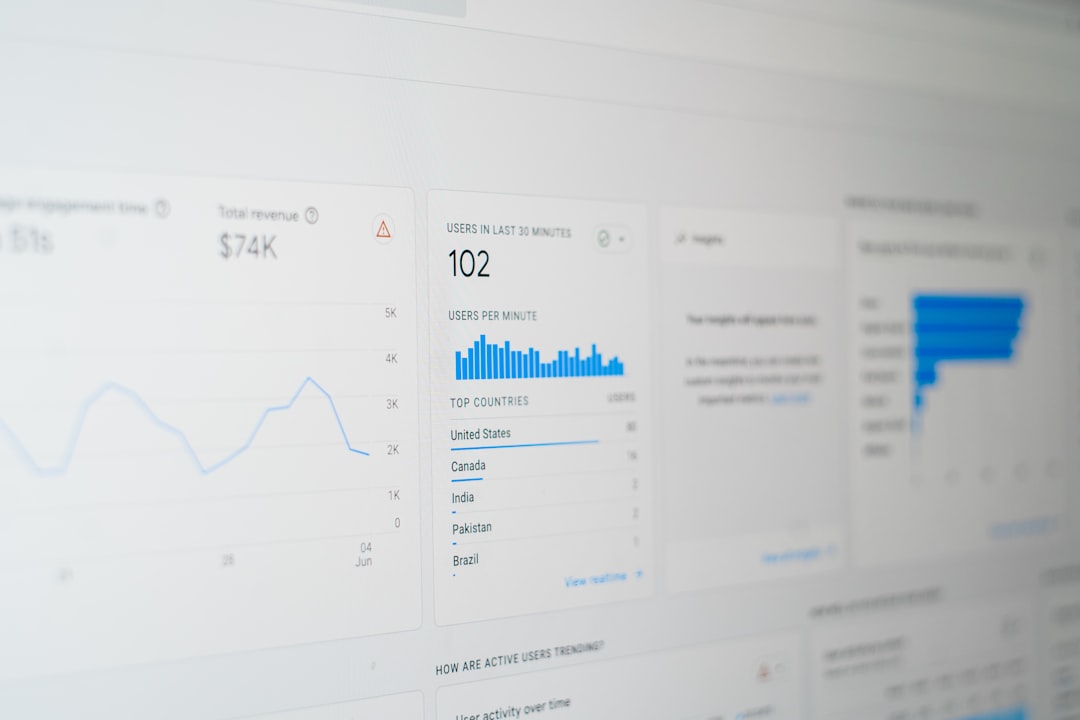
Reporting is central to professional email marketing. A serious provider should not simply send campaigns and move on. They should review results, explain what the data means and recommend improvements.
Important metrics include:
- Delivery rate: Whether emails are successfully reaching recipient servers.
- Open rate: How many recipients open the email, though privacy changes mean this should be interpreted carefully.
- Click-through rate: How many recipients click links within the email.
- Conversion rate: How many recipients complete a desired action, such as booking a call or making a purchase.
- Unsubscribe rate: Whether the campaign frequency or relevance may need adjustment.
- Revenue or enquiry attribution: The commercial impact of email activity.
Continuous improvement is what separates professional email marketing from occasional broadcasting. Over time, testing and analysis can refine subject lines, design, timing, offers and segmentation.
Choosing the Right London Email Marketing Partner
When selecting an email marketing service in London, businesses should look beyond surface-level promises. A credible partner should be able to explain their process clearly, discuss compliance responsibly and show evidence of strategic thinking.
Useful questions to ask include:
- How do you approach email strategy for a business like ours?
- What experience do you have in our sector or with similar audiences?
- How do you manage GDPR and consent requirements?
- What platforms do you work with, and why?
- How do you measure success and report results?
- Will we own our data, templates and campaign assets?
- How often will campaigns be reviewed and improved?
Transparency is important. Be cautious of providers that guarantee unrealistic results, recommend purchased email lists or focus only on sending large quantities of messages. Sustainable email marketing is built on quality data, relevant content and long-term reputation.
Who Can Benefit from Email Marketing Services?
Email marketing can support many types of London organisations, including retailers, law firms, estate agencies, healthcare clinics, restaurants, education providers, charities, software companies, financial firms and professional services businesses. The channel is flexible because it can be adapted to different goals, from direct sales to relationship management.
For smaller businesses, outsourcing email marketing can provide access to specialist skills without hiring a full internal team. For larger organisations, an external provider can add capacity, strategic perspective or advanced technical support. In both cases, the service should integrate with wider marketing activity, including search, social media, content marketing and customer relationship management.
Final Thoughts
London email marketing services can play a significant role in helping businesses communicate with clarity, consistency and credibility. In a market where attention is limited and trust is hard won, email remains valuable because it allows direct, permission-based communication with people who have shown interest in a company’s products, services or expertise.
The strongest results come from a professional approach: clear strategy, compliant data practices, thoughtful segmentation, strong content, reliable design and regular performance analysis. Businesses that treat email as a long-term relationship channel rather than a short-term promotional tool are more likely to build loyalty and generate measurable commercial value.
For any London organisation seeking dependable growth, improved customer engagement or more structured communication, investing in high-quality email marketing services is a serious and practical decision.