
Artwork lifecycle management has moved far beyond routing a PDF for approval. In 2026, the most efficient platforms help brands, manufacturers, agencies, printers, legal teams, and regulatory specialists coordinate every change to packaging, labels, digital assets, claims, translations, dielines, barcodes, and specifications. The best systems do not simply store files; they reduce rework, protect compliance, accelerate launches, and make it easier to answer the question every team eventually asks: which version is truly approved?
TLDR: The most efficient artwork lifecycle management platforms in 2026 combine workflow automation, digital proofing, asset control, compliance checks, and integration with business systems. Leading options include Esko WebCenter, Loftware, Kallik, ManageArtworks, Adobe Workfront with AEM Assets, Aprimo, Bynder, and Frontify, each serving slightly different needs. Regulated industries should prioritize audit trails and structured content, while brand-led teams should focus on usability, collaboration, and asset governance. The right choice depends less on feature count and more on how well the platform fits your company’s approval process.
What Makes an Artwork Lifecycle Management Platform Efficient?
An efficient ALM platform is not just the one with the longest feature list. It is the one that removes friction from the complete artwork journey, from brief to final production, while keeping every stakeholder aligned. In 2026, efficiency typically comes from a combination of automation, visibility, version control, compliance confidence, and integration readiness.
The strongest platforms usually support:
- Automated workflows for briefing, review, approval, translation, and release.
- Online proofing tools with annotations, compare modes, and approval records.
- Centralized artwork repositories for packaging files, label templates, brand assets, and specifications.
- Regulatory and claims management, especially for food, beverage, pharmaceutical, cosmetics, chemicals, and medical products.
- ERP, PLM, DAM, PIM, and print system integrations to reduce manual data entry.
- Audit trails that show who changed, reviewed, approved, or rejected an item.
In short, the most efficient ALM platform behaves like a control tower: it shows where every project stands, who is blocking progress, which assets are valid, and what needs to happen next.
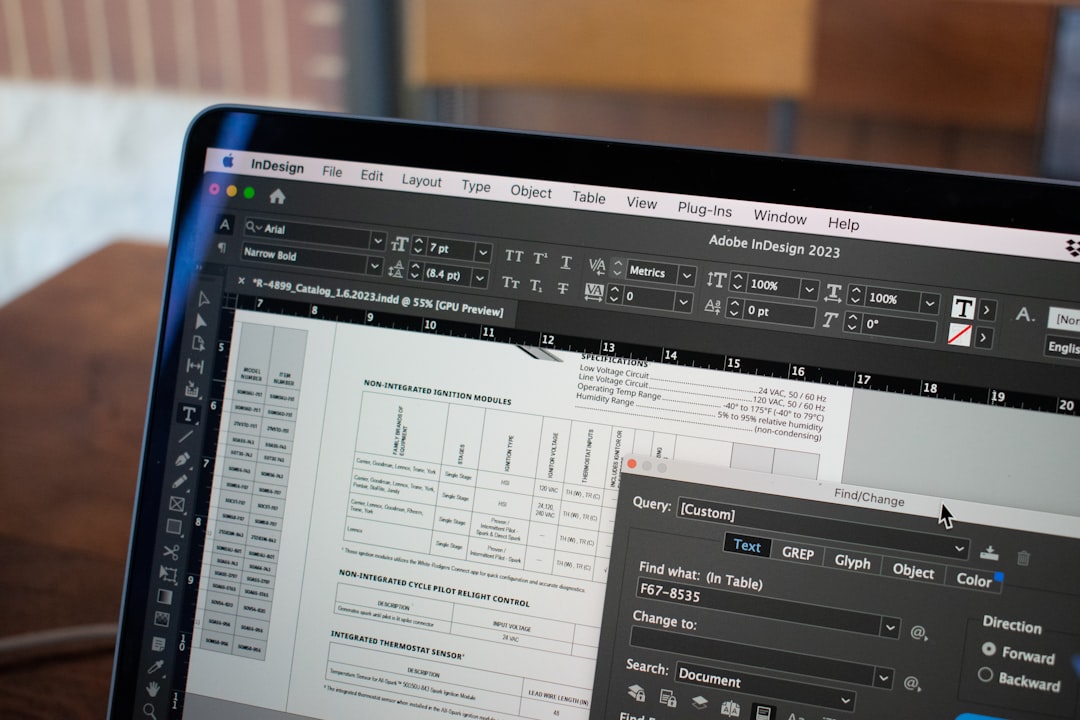
1. Esko WebCenter: Best for Packaging Artwork and Print Connected Workflows
Esko WebCenter remains one of the most recognized platforms for packaging artwork lifecycle management, especially among consumer goods brands, packaging suppliers, converters, and printers. Its strength lies in connecting artwork approval with packaging production realities. Teams can manage projects, route approvals, review technical files, and collaborate with external partners in a structured environment.
Where WebCenter shines is in packaging-specific detail. It is built for organizations dealing with dielines, print specifications, prepress requirements, and multiple stakeholders across complex supply chains. When paired with Esko’s broader ecosystem, it can support a more connected flow from brand approval to print execution.
Best for: large packaging operations, CPG companies, printers, and brands with sophisticated prepress needs.
Efficiency advantage: strong packaging workflow control and deep compatibility with production-oriented processes.
2. Loftware: Best for Enterprise Labeling and Regulated Product Environments
Loftware is a major player for companies where labeling is business-critical. In 2026, product labeling is not just a design problem; it is a compliance, traceability, and operational continuity problem. Loftware is particularly relevant for enterprises managing labels across manufacturing locations, distribution networks, languages, and regulatory regions.
Its platform is commonly used in industries such as medical devices, pharmaceuticals, food, chemicals, and industrial manufacturing. The value comes from managing label content and templates consistently, then connecting approved labeling to production and printing environments.
Best for: global enterprises that need controlled, compliant labeling across many sites.
Efficiency advantage: reduces labeling errors by standardizing data, templates, approval flows, and print execution.
3. Kallik: Best for Structured Content and Regulated Labeling
Kallik is designed for organizations that want to manage artwork and labeling content at a granular, structured level. Instead of treating every label or pack as a static file, Kallik helps teams manage reusable content components, such as warnings, ingredients, symbols, declarations, translations, and regulated statements.
This approach can be extremely efficient for companies that produce many product variations across multiple markets. If one regulated phrase changes, teams can identify where it is used and update affected materials more intelligently. That is a major advantage over manually searching through PDFs and spreadsheets.
Best for: life sciences, medical technology, chemicals, and other regulated industries with recurring approved content.
Efficiency advantage: component-based content management helps reduce duplication, inconsistencies, and compliance risk.
4. ManageArtworks: Best for End-to-End Packaging Artwork Control
ManageArtworks is another purpose-built solution for packaging and label artwork lifecycle management. It focuses on bringing together project management, briefing, proofing, approval, digital asset organization, and compliance-oriented workflows. It is especially useful for companies juggling frequent packaging changes, product launches, SKU updates, and regional variations.
The platform’s appeal is that it is designed around the real messiness of artwork operations: marketing wants speed, regulatory wants accuracy, packaging development wants specifications, and suppliers need usable production files. A good ALM system has to satisfy all of them without forcing everyone into disconnected email chains.
Best for: consumer goods, food and beverage, personal care, and pharmaceutical packaging teams.
Efficiency advantage: combines artwork project tracking, proofing, and approval governance in a focused workflow.
5. Adobe Workfront with Adobe Experience Manager Assets: Best for Creative Operations at Scale
Adobe Workfront, especially when used with Adobe Experience Manager Assets, is a strong choice for organizations that need artwork lifecycle management as part of a broader creative operations ecosystem. It is not limited to packaging; it can support campaigns, digital assets, print materials, content requests, localization, creative reviews, and production planning.
For brands already invested in Adobe tools, the workflow can feel natural. Creative teams can manage requests, assign tasks, review proofs, monitor deadlines, and store final assets in a central DAM. Compared with specialist packaging ALM platforms, Adobe’s strength is breadth: it helps coordinate creative work across many channels.
Best for: enterprise marketing teams, creative operations departments, and omnichannel brands.
Efficiency advantage: connects planning, collaboration, proofing, and asset management across a full creative pipeline.
6. Aprimo: Best for Marketing Resource Management and Governance
Aprimo is a powerful option for companies that view artwork as part of a larger marketing operations and brand governance system. It combines digital asset management, planning, workflow, content operations, and performance visibility. For large organizations with many business units, regions, agencies, and campaign teams, Aprimo provides control without losing the broader strategic view.
Aprimo is especially useful when artwork must be connected to budgets, campaigns, marketing calendars, rights management, localization, and brand compliance. It may be more platform than a small packaging team needs, but for enterprise marketing organizations, that scope can be a major advantage.
Best for: global brands with complex marketing ecosystems and strong governance needs.
Efficiency advantage: unifies artwork-related workflows with marketing planning, asset control, and brand management.
7. Bynder: Best for Brand Asset Management and Collaborative Distribution
Bynder is widely known as a digital asset management platform, but it plays an important role in artwork lifecycle efficiency when final assets need to be organized, found, shared, and reused correctly. In many companies, the biggest artwork problem is not creation; it is the chaos that follows approval. Teams download old files, use expired logos, pull incorrect campaign versions, or recreate assets that already exist.
Bynder helps solve that by providing a polished central hub for approved assets, brand portals, templates, permissions, and distribution. It is particularly efficient for teams that need fast access to approved visual materials across markets, partners, retailers, and agencies.
Best for: brand-led organizations that prioritize asset reuse, consistency, and easy access.
Efficiency advantage: makes approved artwork and brand assets easier to locate, share, and govern.
8. Frontify: Best for Brand Guidelines and Creative Consistency
Frontify is especially effective for companies where artwork lifecycle management overlaps with brand identity management. While it is not a traditional packaging ALM system, it can be highly efficient for brand portals, design systems, creative guidelines, templates, and collaborative brand governance.
In 2026, brand consistency is harder than ever because teams create content for packaging, retail media, ecommerce, social platforms, events, sales decks, and digital campaigns at the same time. Frontify helps keep everyone working from the same rules and approved building blocks. For distributed creative teams, agencies, and regional marketers, that can prevent countless small errors from multiplying into major brand drift.
Best for: brand teams, creative departments, and organizations with distributed content creators.
Efficiency advantage: improves consistency by combining guidelines, templates, assets, and collaboration in one brand hub.
How to Choose the Right Platform in 2026
The best ALM platform depends on your operational reality. A pharmaceutical company with strict labeling regulations should not choose the same system as a lifestyle brand mainly trying to distribute approved social and retail assets. Before comparing demos, define the problems you are trying to eliminate.
Use the following checklist:
- Map your artwork lifecycle. Identify every step from request to final release, including agencies, printers, regulatory reviewers, and suppliers.
- Measure bottlenecks. Look for repeated delays, unclear ownership, approval loops, and version confusion.
- Decide what must integrate. Common connections include ERP, PLM, PIM, DAM, MAM, translation systems, and print management tools.
- Separate must-haves from nice-to-haves. Compliance teams may need audit trails; creative teams may need intuitive reviews and fast search.
- Test real workflows. Do not judge a platform only by a polished demo. Run a sample project using your actual packaging, claims, languages, and approval roles.

Key Trends Defining ALM Efficiency
By 2026, several trends are reshaping what “efficient” means in artwork lifecycle management. First, AI-assisted review is becoming more common. Platforms increasingly help flag missing elements, compare versions, identify layout differences, and surface potential compliance issues. Human approval still matters, but AI can reduce the burden of repetitive checking.
Second, structured content is gaining momentum. Instead of managing every artwork file as a unique object, advanced teams are managing approved phrases, claims, ingredients, icons, legal text, and translations as reusable content components. This is especially valuable when regulations change and hundreds of SKUs may be affected.
Third, supplier collaboration is becoming more transparent. Brands want fewer email attachments and more portal-based interactions with agencies, printers, converters, and manufacturing partners. The goal is to make external collaboration feel controlled, not chaotic.
Finally, connected ecosystems matter more than standalone tools. A platform that cannot exchange data with product, asset, regulatory, or production systems may create another silo. The most efficient companies choose ALM technology that fits into their operating architecture.
Final Verdict
For packaging-heavy organizations, Esko WebCenter, ManageArtworks, Kallik, and Loftware are among the most relevant platforms to evaluate in 2026. For broader creative operations and marketing asset governance, Adobe Workfront with AEM Assets, Aprimo, Bynder, and Frontify are strong contenders. The most efficient choice is the one that matches your business model, regulatory burden, content complexity, and collaboration style.
Artwork lifecycle management is ultimately about trust. Teams need to trust that the file is current, the claim is approved, the translation is correct, the package is compliant, and the supplier is using the right version. In 2026, the leading platforms are those that turn that trust into a repeatable, visible, and measurable process.