
High-performing teams rarely emerge by accident. They are usually shaped by leaders who repeat the right behaviors until those behaviors become shared habits. In organizations of every size, leadership patterns determine how people communicate, solve problems, make decisions, and recover from setbacks. When leaders act with clarity, consistency, and trust, team performance improves because people understand what matters and how to contribute.
TLDR: Strong team performance is driven by repeatable leadership patterns, not one-time motivational moments. Effective leaders create clarity, build psychological safety, delegate with accountability, and encourage continuous learning. They also model the behaviors they expect from others, which helps teams become more focused, resilient, and collaborative.
Why Leadership Patterns Matter
A leadership pattern is a repeated way of thinking, communicating, and acting. It is not just a management technique; it is a rhythm that becomes visible to the team over time. When a leader consistently gives clear direction, listens carefully, and follows through on commitments, the team learns that expectations are reliable. This reliability reduces confusion and allows people to focus their energy on meaningful work.
In contrast, inconsistent leadership creates friction. If priorities change without explanation, if feedback is unpredictable, or if decisions seem arbitrary, team members may become cautious rather than creative. Performance suffers because people spend more time protecting themselves than contributing ideas. For this reason, the most effective leaders pay attention not only to what they say, but to the patterns their actions create.
1. Creating Clarity Around Purpose and Priorities
One of the strongest leadership patterns is the habit of creating clarity. Teams perform better when they know why the work matters, what the goals are, and how success will be measured. A leader who repeatedly connects daily tasks to a larger purpose helps team members understand the value of their effort.
Clarity also requires prioritization. Many teams are busy, but not all busy teams are productive. Strong leaders help people distinguish between urgent noise and important work. They communicate what matters most, explain trade-offs, and make sure goals are realistic. This pattern prevents teams from spreading their attention across too many disconnected tasks.
- Purpose clarity: The team understands the reason behind the work.
- Goal clarity: The team knows what outcomes are expected.
- Role clarity: Each person understands their responsibilities.
- Priority clarity: The team knows what should come first.
When these forms of clarity are present, performance improves because people do not need to guess what the leader values. They can make better decisions independently and align their efforts with the team’s objectives.

2. Building Psychological Safety
Another pattern that drives performance is the consistent creation of psychological safety. A team has psychological safety when members feel able to speak honestly, ask questions, admit mistakes, and challenge ideas without fear of embarrassment or punishment. This does not mean standards are low. In fact, psychologically safe teams often hold themselves to higher standards because they can discuss problems openly.
Leaders build this environment through repeated signals. They thank people for raising concerns, respond calmly to bad news, and treat mistakes as opportunities for learning. They also avoid blaming individuals before understanding the system around the problem. Over time, team members learn that honesty is valued more than image management.
Psychological safety improves performance because it increases the flow of useful information. Problems surface earlier, ideas are shared more freely, and risks are identified before they cause damage. When people feel safe enough to contribute fully, the team gains access to more intelligence, creativity, and experience.
3. Practicing Consistent Communication
Communication is one of the most visible leadership patterns. Leaders who communicate well do not simply share information; they create a predictable flow of context, feedback, and direction. They explain decisions, provide updates, and make space for questions. This consistency helps teams stay aligned even when circumstances change.
Effective communication is not always lengthy. Sometimes it is a short update that removes uncertainty. At other times, it is a deeper conversation that helps the team understand strategy or resolve conflict. The key is that communication is intentional and regular, not random or reactive.
Strong leaders also adapt their communication to the needs of the audience. A new employee may need more context, while an experienced team member may need autonomy and a quick decision. A cross-functional group may need shared definitions to avoid misunderstanding. By noticing these needs, the leader prevents confusion before it slows progress.
4. Delegating With Trust and Accountability
Delegation is often misunderstood as simply assigning tasks. In high-performing teams, delegation is a pattern of trust combined with accountability. The leader gives team members ownership over meaningful work, provides the necessary resources, and sets clear expectations for outcomes. Then the leader allows people enough space to use their judgment.
This pattern improves performance because it expands the team’s capacity. If every decision must pass through the leader, progress slows and employees become dependent. When decision-making authority is distributed appropriately, team members develop confidence and skill. They become more invested because they are trusted to influence results.
However, delegation without accountability can create confusion. Strong leaders define what success looks like, agree on timelines, and establish check-in points. They do not micromanage every step, but they do stay connected to progress. This balance allows people to work independently while still contributing to shared goals.
5. Modeling the Desired Behavior
Teams pay close attention to what leaders do. A leader may talk about collaboration, but if that leader dismisses input or takes credit for others’ work, the team will notice the contradiction. For this reason, modeling is one of the most powerful leadership patterns. The leader becomes a living example of the standards expected from the team.
If a leader wants transparency, that leader must be transparent. If a leader wants accountability, that leader must admit mistakes and follow through on commitments. If a leader wants continuous improvement, that leader must show curiosity and openness to feedback. These behaviors teach more effectively than speeches because they are visible and repeated.
Credibility grows when leadership behavior matches leadership language. When the team sees consistency between words and actions, trust increases. Trust then becomes a performance advantage because people spend less energy questioning motives and more energy doing the work.

6. Encouraging Learning and Adaptability
Modern teams operate in changing environments. Markets shift, technologies evolve, customer expectations rise, and internal priorities change. A leadership pattern that supports learning helps teams adapt instead of becoming overwhelmed. Leaders who encourage learning treat change as a condition to manage, not a threat to avoid.
This pattern appears in several ways. The leader asks reflective questions after projects, encourages experimentation, and supports skill development. The team regularly discusses what worked, what did not work, and what should change next time. These conversations turn experience into improvement.
A learning-oriented leader also recognizes that performance is not only about immediate output. It is also about increasing the team’s future capability. Training, mentoring, and knowledge sharing may take time, but they create stronger long-term results. Teams that learn quickly can respond faster, recover from mistakes, and find better ways to serve customers or stakeholders.
7. Recognizing Contributions and Reinforcing Progress
Recognition is more than praise. It is a leadership pattern that tells the team which behaviors matter. When a leader regularly recognizes useful effort, collaboration, problem solving, and ownership, those behaviors become more likely to continue. Recognition helps people feel seen, and it reinforces the connection between individual actions and team success.
Effective recognition is specific. Instead of saying, “Good job,” a strong leader might say, “The way the team handled the client issue showed preparation, patience, and strong communication.” Specific recognition teaches. It shows exactly what should be repeated.
Recognition should also be fair and inclusive. If only the loudest or most visible team members receive appreciation, others may feel overlooked. Strong leaders notice both front-stage and behind-the-scenes contributions. They understand that performance often depends on quiet consistency as much as dramatic wins.
8. Managing Conflict Productively
Conflict is not always a sign of dysfunction. In many cases, it means people care about the work and see different paths forward. The leadership pattern that matters is how conflict is handled. Teams perform better when leaders normalize respectful disagreement and guide the group toward solutions.
A strong leader does not ignore tension or allow it to become personal. Instead, the leader helps separate ideas from identities. Team members are encouraged to debate evidence, assumptions, and options without attacking one another. This makes conflict a source of insight rather than division.
Productive conflict also requires closure. After discussion, the leader helps the team make a decision, clarify next steps, and move forward. Without closure, unresolved debates can drain energy and create hidden resistance. With closure, even those who disagreed can align around the final direction.
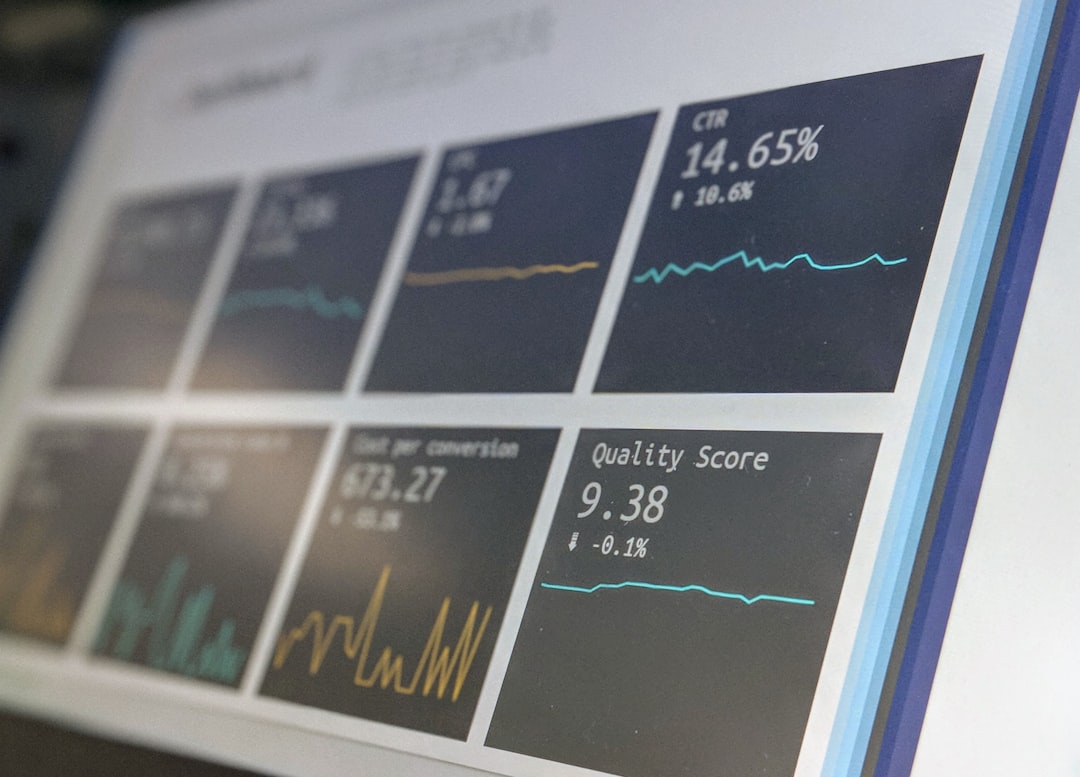
9. Using Data Without Losing the Human Element
Performance-focused leaders use data to understand progress. They track relevant metrics, review outcomes, and identify patterns. Data helps remove guesswork and allows teams to see whether their efforts are producing results. However, strong leaders also know that numbers do not explain everything by themselves.
A healthy leadership pattern combines measurement with conversation. If productivity drops, the leader does not assume laziness. The leader investigates workload, tools, clarity, morale, and external constraints. This balanced approach prevents shallow conclusions and leads to better decisions.
Data should guide improvement, not create fear. When metrics are used only to punish, people may hide problems or manipulate appearances. When metrics are used to learn, teams become more honest and more effective. The best leaders make performance visible while keeping the focus on growth and shared responsibility.
10. Sustaining Energy and Preventing Burnout
Team performance is not sustainable if it depends on constant exhaustion. Leaders who drive long-term results pay attention to energy, workload, and pace. They understand that people can rise to intense challenges, but they cannot operate in crisis mode forever.
This leadership pattern includes setting realistic expectations, removing unnecessary work, encouraging recovery, and watching for signs of overload. It also involves protecting focus. Too many meetings, unclear requests, and frequent interruptions can weaken performance even when people are highly motivated.
A leader who values sustainable performance does not confuse burnout with commitment. Instead, the leader creates conditions where people can do excellent work consistently. Over time, this produces better quality, stronger morale, and lower turnover.
How These Patterns Work Together
No single leadership pattern is enough by itself. Clarity without trust can feel rigid. Trust without accountability can become unfocused. Recognition without honest feedback can feel shallow. Data without empathy can become mechanical. The strongest leaders combine these patterns into a coherent style that supports both people and performance.
The result is a team environment where members understand the mission, feel safe to contribute, own their responsibilities, learn from experience, and sustain their energy. In such an environment, performance becomes less dependent on heroic effort and more dependent on healthy systems and habits.
Leadership, then, is not merely a position. It is a repeated influence. The patterns a leader practices every day become the culture the team experiences. When those patterns are intentional, consistent, and human-centered, they create the conditions for teams to perform at their best.
FAQ
What are leadership patterns?
Leadership patterns are repeated behaviors, decisions, and communication habits that shape how a team works. They include how a leader sets priorities, gives feedback, handles conflict, delegates work, and responds to challenges.
Which leadership pattern has the biggest impact on team performance?
Clarity is often one of the most important because it helps people understand goals, roles, and priorities. However, clarity works best when combined with trust, accountability, and psychological safety.
How can a leader build psychological safety?
A leader can build psychological safety by listening respectfully, responding calmly to mistakes, inviting questions, and rewarding honesty. Over time, these behaviors show the team that speaking up is safe and useful.
Why is delegation important for performance?
Delegation allows team members to take ownership and make decisions closer to the work. It increases speed, develops skills, and prevents the leader from becoming a bottleneck.
How should leaders handle underperformance?
Leaders should address underperformance directly but constructively. They should clarify expectations, understand root causes, provide support, and create an accountability plan with measurable next steps.
Can recognition really improve team results?
Yes. Specific and fair recognition reinforces the behaviors that drive success. It also increases motivation and helps team members understand how their contributions support the larger goal.
How can leadership patterns be improved?
Leaders can improve by seeking feedback, reflecting on their habits, studying team outcomes, and practicing new behaviors consistently. Small repeated changes often have a larger effect than occasional major initiatives.