
SEOChat Tools has long been remembered by search marketers as a practical collection of free SEO utilities, especially from the era when forums, standalone checkers, and quick diagnostic tools were central to day-to-day optimization work. While the name still carries recognition, the modern SEO landscape has changed significantly: today’s professionals expect reliable data pipelines, crawling depth, keyword databases, technical auditing, rank tracking, and integration with analytics platforms.
TLDR: SEOChat Tools can be useful for quick, basic checks, but it should not be treated as a complete SEO platform. Its main value lies in simple utilities and educational use rather than advanced campaign management. For serious SEO work, tools such as Google Search Console, Screaming Frog, Semrush, Ahrefs, Moz, and SE Ranking offer stronger data, broader features, and better long-term reliability.
What SEOChat Tools Is Best Known For
SEOChat Tools is associated with a set of browser-based utilities designed to help users inspect common SEO elements. These tools traditionally included checks for meta tags, keyword density, robots.txt, HTTP headers, backlink indicators, and other basic on-page or technical signals. For beginners, this type of toolkit can be appealing because it is simple, direct, and often does not require a subscription.
However, it is important to understand the category it belongs to. SEOChat Tools is not comparable to a full enterprise SEO suite. It is better viewed as a collection of tactical utilities that may support a quick review, not as a central platform for managing rankings, content strategy, technical audits, or competitive research.
Strengths of SEOChat Tools
The strongest point of SEOChat Tools is accessibility. Many SEO professionals still appreciate lightweight tools that answer a specific question without requiring account setup, onboarding, or complex reports. If you need to inspect a page title, review basic metadata, or run a quick diagnostic, a simple utility can save time.
- Ease of use: Most tools are straightforward and suitable for users who do not need advanced configuration.
- Educational value: Beginners can learn how SEO elements such as title tags, descriptions, headers, and crawling directives work.
- Fast checks: Simple tests can be useful during content editing, website QA, or initial site reviews.
- Low barrier to entry: Free or lightweight SEO utilities are useful for freelancers, students, and small site owners.
For small tasks, these advantages still matter. Not every SEO question requires a large platform. Sometimes a quick check is sufficient, especially when confirming whether a page has a canonical tag, whether a robots file is accessible, or whether a redirect returns the expected status code.
Limitations to Consider
The main limitation is that SEO has become more data-intensive. Modern optimization requires more than isolated checks. Search visibility depends on technical health, content quality, internal linking, topical authority, search intent alignment, structured data, performance, and competitive positioning. A basic toolset cannot fully evaluate all of these areas.
Users should also be cautious about relying on older-style metrics. For example, keyword density was once discussed heavily, but it is no longer a primary way to judge content quality. Search engines now evaluate semantics, entity relationships, user satisfaction, page experience, and authority signals in more advanced ways. A keyword density checker may help identify obvious overuse, but it should not guide an entire content strategy.
- Limited data depth: It may not provide large-scale keyword, backlink, or competitor databases.
- No complete workflow: It generally lacks project management, tracking, alerts, and reporting features.
- Potential freshness concerns: Free utilities may not always reflect the latest search engine behavior or SEO best practices.
- Not ideal for scaling: Agencies and growing businesses need repeatable audits and reliable historical data.
Who Should Use SEOChat Tools?
SEOChat Tools is most suitable for users who need quick, lightweight checks rather than comprehensive SEO intelligence. A blogger updating a few posts, a student learning SEO basics, or a small business owner reviewing page elements may find value in it. It can also be useful as a secondary tool when you want to verify something quickly outside your main SEO platform.
It is less suitable for agencies, ecommerce teams, publishers, or companies that depend heavily on organic traffic. Those users need crawl automation, log analysis, rank tracking, backlink monitoring, keyword clustering, content gap analysis, and client-ready reporting. In that context, SEOChat Tools is too limited to be the primary solution.

Best SEOChat Tools Alternatives
If you are looking for alternatives, the right choice depends on your budget, technical needs, and level of SEO maturity. Below are serious options worth considering.
1. Google Search Console
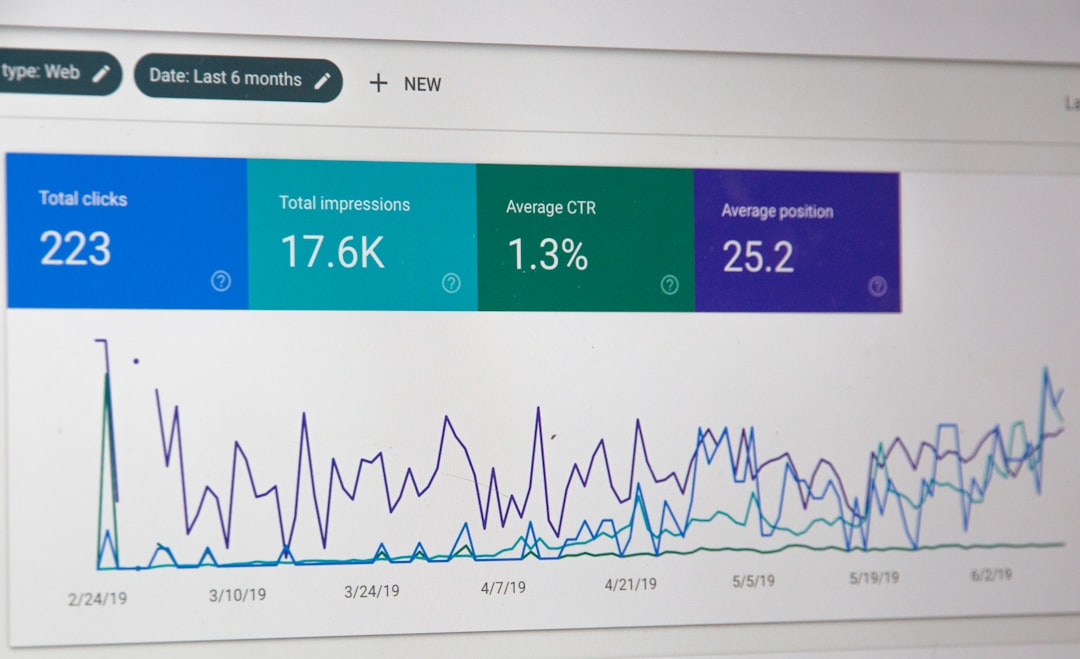
Google Search Console is essential for any website owner. It provides direct data from Google, including indexing status, search queries, impressions, clicks, Core Web Vitals, sitemap issues, and manual actions. It does not replace a full SEO suite, but it should be part of every SEO workflow.
2. Bing Webmaster Tools
Bing Webmaster Tools is often overlooked, but it offers useful crawl data, keyword insights, and SEO reports. It is free and can complement Google Search Console, especially for sites that want broader search engine visibility.
3. Screaming Frog SEO Spider
Screaming Frog is one of the most respected tools for technical SEO audits. It crawls websites and identifies issues such as missing titles, duplicate metadata, broken links, redirect chains, canonical problems, thin pages, and structured data errors. For technical specialists, it is a major upgrade over simple one-page checkers.
4. Semrush
Semrush is a broad SEO and digital marketing suite. It offers keyword research, rank tracking, competitor analysis, backlink data, site audits, content tools, and PPC research. It is a strong option for businesses that want an all-in-one platform, though its pricing may be high for very small projects.
5. Ahrefs
Ahrefs is particularly strong in backlink analysis, competitor research, keyword exploration, and content gap discovery. It is widely used by SEO professionals who focus on authority building and competitive strategy. Its interface is clean, and its data is often considered among the strongest in the industry.
6. Moz Pro
Moz Pro offers keyword research, site crawling, rank tracking, and link metrics such as Domain Authority. It is beginner-friendly compared with some more advanced platforms and can be a good option for small teams that want structured SEO guidance.
7. SE Ranking
SE Ranking provides rank tracking, site audits, competitor research, backlink monitoring, and reporting at a generally accessible price point. It is a practical alternative for freelancers and small agencies that need more than free tools but are not ready for the cost of larger platforms.

How to Choose the Right Alternative
Before selecting a replacement for SEOChat Tools, define the actual work you need to perform. If you only need occasional checks, free tools may be enough. If organic search is a major revenue channel, investing in a serious platform is usually justified.
- For technical audits: Choose Screaming Frog or Sitebulb.
- For free essential data: Use Google Search Console and Bing Webmaster Tools.
- For competitive SEO research: Consider Ahrefs or Semrush.
- For affordable all-in-one tracking: Look at SE Ranking or similar mid-market platforms.
- For content ideation: Use tools such as AlsoAsked, AnswerThePublic, or dedicated keyword research platforms.
Final Verdict
SEOChat Tools still has a place as a simple, accessible resource for basic SEO checks. Its value is clearest when used for quick diagnostics, learning, or confirming individual page elements. However, it should not be considered a complete SEO solution for modern search marketing.
For trustworthy SEO work, the best approach is to combine reliable first-party data from search engines with specialized tools for crawling, keyword research, backlink analysis, and reporting. In that sense, SEOChat Tools can be a helpful supplement, but serious website owners and professionals should build their workflow around more robust alternatives.