
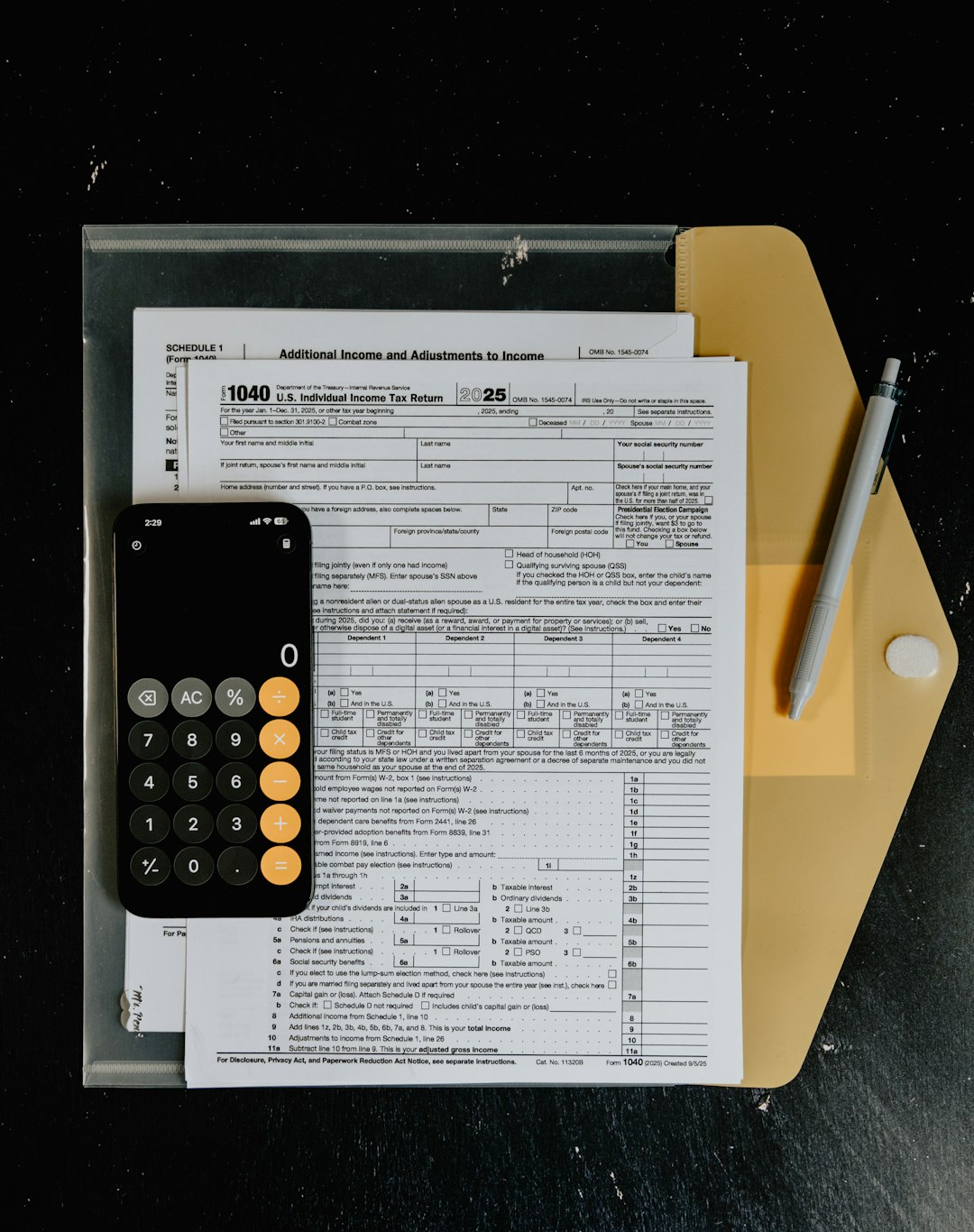
Few tax strategies have the mystique of the 1031 exchange. Real estate investors use it to sell one property, buy another, and defer capital gains taxes. But what if the property you want to sell is your home? Can you use a 1031 exchange for a primary residence, or is that benefit reserved for landlords and investors?
TLDR: In most cases, you cannot use a 1031 exchange for a primary residence because Section 1031 applies only to property held for investment or business use. However, exceptions may apply if the home was converted to a rental, used partly for business, or involved in a mixed-use situation. Homeowners may also qualify for the Section 121 capital gains exclusion, which is often more useful for a primary residence than a 1031 exchange.
Why a Primary Residence Usually Does Not Qualify
A 1031 exchange, named after Section 1031 of the Internal Revenue Code, allows taxpayers to defer capital gains taxes when they sell real property held for investment or productive use in a trade or business and purchase another qualifying property.
The key phrase is held for investment or business use. A primary residence is generally held for personal use, not investment. Even if your home has appreciated dramatically, the IRS does not view your personal living space as the type of property eligible for a standard 1031 exchange.
For example, if you bought a home, lived in it for ten years, and then sold it to buy another home for yourself, that transaction would not qualify as a 1031 exchange. You are simply selling one personal residence and buying another personal residence.

The Big Alternative: Section 121 Exclusion
For most homeowners, the more relevant tax benefit is not Section 1031 but Section 121. This rule allows eligible homeowners to exclude up to:
- $250,000 of capital gain if filing as a single taxpayer
- $500,000 of capital gain if married and filing jointly
To qualify, you generally must meet two tests:
- Ownership test: You owned the home for at least two of the five years before the sale.
- Use test: You used the home as your primary residence for at least two of the five years before the sale.
The two years do not have to be consecutive. This makes Section 121 powerful and flexible. In many everyday home sales, it can eliminate all taxable gain without the complexity of a 1031 exchange.
Exception 1: Converting a Primary Residence Into a Rental
One common question is whether you can move out of your home, rent it for a while, and then sell it using a 1031 exchange. The answer is: possibly, but the details matter.
Once you convert the home into a rental property, it may become property held for investment. However, you need to show that your intent changed from personal use to investment use. The IRS looks at facts and circumstances, such as:
- How long the property was rented
- Whether rent was charged at fair market value
- Whether you reported rental income and expenses
- Whether you treated the property like an investment
- Whether you stopped using it as your personal residence
There is no simple rule saying a former home must be rented for exactly one year or two years before it qualifies for a 1031 exchange. However, many tax professionals prefer a rental period of at least one to two years to strengthen the investment-use argument.
Important: Merely renting your home for a few weeks before selling it is unlikely to turn it into a qualifying 1031 property. The IRS is concerned with genuine intent, not cosmetic changes made solely to avoid taxes.
Combining Section 121 and Section 1031
In some cases, a property can benefit from both Section 121 and Section 1031. This can happen when a home was used as a primary residence for part of the time and then later used as a rental or investment property.
Imagine you lived in a house for three years, moved out, rented it for two years, and then sold it. You might be able to use the Section 121 exclusion for the portion of gain related to your personal residence use and a 1031 exchange for the portion related to the rental use.
That said, the calculations can become complicated. Depreciation recapture, periods of nonqualified use, and allocation between personal and investment use may affect the final tax result. This is an area where working with a qualified CPA or tax attorney is strongly recommended.

Exception 2: Mixed-Use Property
A mixed-use property is another situation where a 1031 exchange may partially apply. This occurs when part of the property is used as your residence and part is used for business or investment.
Examples include:
- A duplex where you live in one unit and rent out the other
- A farm with a personal residence and income-producing acreage
- A building with a storefront below and owner’s living quarters above
- A home with a separately rented guesthouse or accessory dwelling unit
In these cases, the investment or business portion may qualify for 1031 treatment, while the personal residence portion may qualify for Section 121 or may simply be taxable depending on the facts.
For example, if you own a duplex and live in one unit while renting the other, the rental unit may be treated as investment property. When you sell, you may be able to defer tax on the rental portion through a 1031 exchange while using the home-sale exclusion for the unit you occupied.
Exception 3: Home Office or Business Use
A home office alone does not usually turn your entire residence into 1031 exchange property. However, a clearly defined portion of the home used exclusively and regularly for business may have separate tax treatment.
Still, this is typically a narrow opportunity. If one room in your home was used as an office, the business-use percentage may be small. Also, depreciation claimed for business use may need to be recaptured when the property is sold.
The practical takeaway is that a home office may affect your tax reporting, but it usually will not allow you to exchange your entire primary residence under Section 1031.
What If You Acquired a Rental Through a 1031 Exchange and Later Moved In?
Another common scenario works in the opposite direction: you buy an investment property through a 1031 exchange, rent it for a while, and later convert it into your primary residence.
This is allowed, but special rules apply if you later sell the property and want to use the Section 121 exclusion. In general, if you acquired the property through a 1031 exchange and then converted it to a primary residence, you must own it for at least five years before using Section 121.
You also still need to satisfy the standard two-out-of-five-year ownership and use requirements. Additionally, gain attributable to depreciation and certain periods of nonqualified use may not be excludable.
1031 Exchange Rules You Must Follow
If your property does qualify for a 1031 exchange, the process is strict. Missing a deadline can ruin the exchange.
- Use a qualified intermediary: You cannot take possession of the sale proceeds.
- Identify replacement property within 45 days: The clock starts when the relinquished property is sold.
- Close within 180 days: You must acquire the replacement property within the exchange period.
- Buy like-kind real property: Most U.S. real estate held for investment can be like-kind to other U.S. investment real estate.
- Reinvest properly: To fully defer tax, you generally need to reinvest all net proceeds and acquire equal or greater value.

Alternatives If Your Home Does Not Qualify
If a 1031 exchange is not available, you may still have options to reduce or manage taxes:
- Use the Section 121 exclusion: This is the first place most homeowners should look.
- Time your sale carefully: Waiting until you meet the two-year ownership and use tests can make a major difference.
- Track capital improvements: Renovations, additions, and major upgrades can increase your basis and reduce taxable gain.
- Consider an installment sale: In some cases, spreading payments over time may spread taxable gain.
- Convert to a rental before selling: This may create future 1031 possibilities, but it must be done with real investment intent.
The Bottom Line
You generally cannot use a 1031 exchange for a primary residence because your home is personal-use property. But the story does not end there. If the property was converted to a rental, used partly for business, or structured as a mixed-use property, a partial or future 1031 exchange may be possible.
For many homeowners, the Section 121 exclusion is simpler, cleaner, and more valuable. For investors and homeowners with hybrid situations, the best strategy often involves coordinating both rules. Because the IRS rules are technical and the dollars can be significant, it is wise to consult a tax professional before selling, converting, or exchanging real estate.