
Few things make a competitive player panic faster than seeing a ban message after launching Valorant. Because Riot Games takes cheating and disruptive behavior seriously, rumors spread quickly: “Riot bans your IP,” “you can never play again from your house,” or “a VPN fixes everything.” The truth is more specific—and more interesting—than the myths suggest.
TL;DR: Valorant does not appear to rely on traditional IP bans as its main punishment method. Riot’s enforcement is mainly based on account bans and, for serious cheating cases, hardware ID bans connected to Vanguard, its anti-cheat system. Your IP address may still be used as a signal in security or enforcement systems, but changing networks or using a VPN usually will not help if the ban is tied to your account or hardware.
So, Does Valorant Issue IP Bans?
In most cases, no—Valorant is not known for issuing simple IP bans in the way older online games sometimes did. An IP ban blocks a player based on the internet address assigned by their ISP. While that sounds powerful, it is actually a blunt and unreliable tool.
Why? Because IP addresses often change. Many players have dynamic home IPs, meaning their ISP can assign a new one automatically. Shared connections also complicate things: a dorm, apartment building, gaming café, or family household might have several legitimate players using the same public IP. If Riot banned only an IP address, innocent players could be affected while the offending player might return with a different connection.
That does not mean Riot ignores IP data completely. IP addresses can help detect suspicious login patterns, account sharing, fraud, and abuse. But when players talk about being “IP banned” in Valorant, they are often experiencing something else: an account ban, a hardware ban, or a combination of enforcement actions.

Riot’s Ban System: The Main Types of Punishment
Valorant’s ban system is layered. Riot does not treat every offense the same way, and penalties can vary depending on severity, history, and evidence. The most common types include:
- Account bans: These affect your Riot account and stop you from playing Valorant on that account.
- Temporary suspensions: These can be issued for behavior such as leaving matches, toxicity, queue dodging, or repeated disruptive conduct.
- Chat and voice restrictions: Riot may restrict communication features for harassment, hate speech, or abusive behavior.
- Competitive restrictions: Players may be temporarily blocked from ranked play for certain forms of misconduct.
- Hardware ID bans: These are typically associated with cheating and are much harder to bypass than an account ban.
The important distinction is that not all bans are permanent, and not all are related to cheating. A player who is verbally abusive may receive a communication penalty or suspension, while someone detected using cheats may face a permanent account ban and hardware-based enforcement.
What Is a Hardware ID Ban?
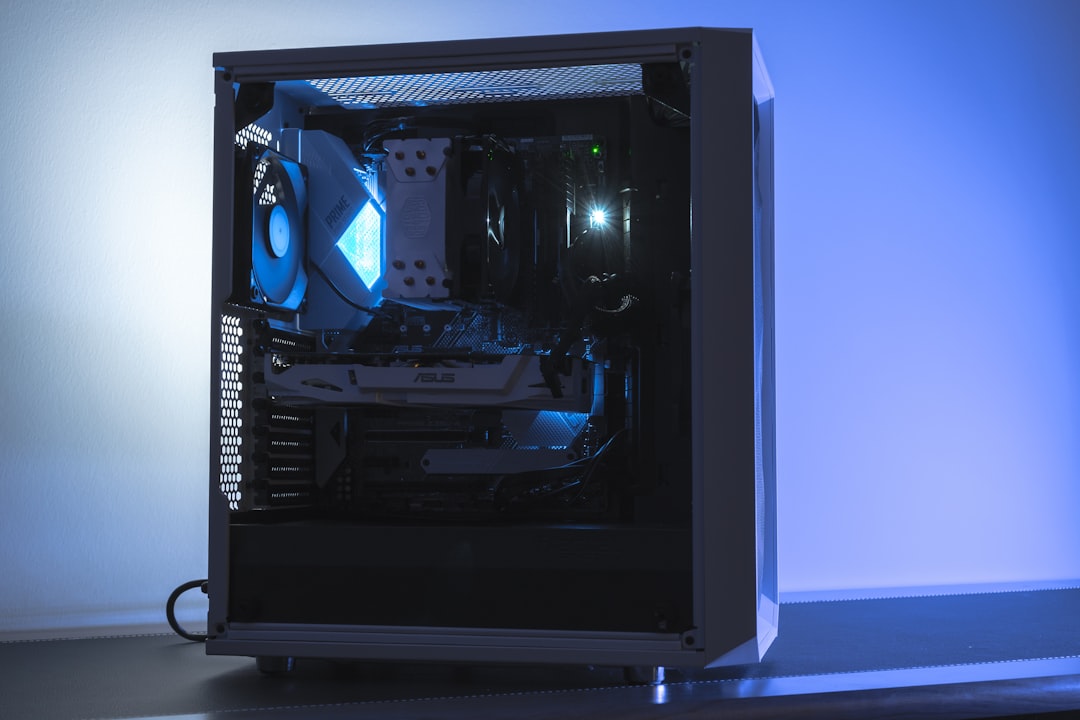
A hardware ID ban, often called an HWID ban, targets identifiers associated with a player’s device rather than just the account. These identifiers may relate to components such as the motherboard, storage devices, or other system-level signals. Riot does not publicly reveal exactly what it tracks—and for good reason. If anti-cheat systems were fully transparent, cheat developers would have an easier time bypassing them.
Valorant uses Riot Vanguard, a kernel-level anti-cheat system designed to detect cheating software, unauthorized modifications, and suspicious behavior at a deep system level. Vanguard has been controversial because of its level of access, but Riot argues that this approach is necessary for maintaining competitive integrity in a tactical shooter where a tiny advantage can decide a round.
If Vanguard determines that cheating occurred, Riot may issue a ban that follows the machine rather than only the user account. This is why some banned players report that creating a new account does not work. They are not necessarily “IP banned”; their hardware may be flagged.
Why Riot Prefers Hardware Bans Over IP Bans
From an enforcement standpoint, hardware bans are much more precise than IP bans. An IP address can be changed, shared, or masked with a VPN. Hardware identifiers are harder to replace and more directly connected to the device used to cheat.
Riot’s goal is not simply to punish after the fact. It wants to make cheating expensive, inconvenient, and risky. If a cheater can return instantly with a new free account, bans lose much of their impact. But if they need new hardware—or must go through complicated and unreliable spoofing attempts—the barrier becomes much higher.
This is especially important because Valorant is free to play. In paid games, losing an account means losing the money spent to buy the game. In a free game, account bans alone may not be enough unless they are backed by stronger detection and prevention systems.
Can a VPN Help If You Are Banned?
Usually, no. A VPN may change the IP address visible to Riot, but it will not remove an account ban or hardware ban. If your Riot account is banned, logging in from another network does not make the account playable. If your machine is hardware banned, using a VPN will not change the hardware signals connected to that device.
VPNs can also create new problems. They may trigger extra security checks, cause connection instability, increase ping, or make your login activity look unusual. While using a VPN is not automatically the same as cheating, it is not a magic solution to enforcement.
What Usually Triggers a Valorant Ban?
Valorant bans can happen for several reasons, but the most serious penalties are typically linked to cheating. Common causes include:
- Using aimbots, wallhacks, triggerbots, or radar hacks.
- Running cheat loaders, injectors, or suspicious third-party tools.
- Account boosting, win trading, or manipulated matchmaking.
- Repeated toxic behavior, harassment, or hate speech.
- AFK behavior, intentional feeding, or sabotaging teammates.
- Buying, selling, or sharing accounts in ways that violate Riot’s rules.
Some players claim they were banned for “nothing,” and false positives can happen in any large enforcement system. However, Riot typically relies on a combination of automated detection, player reports, gameplay data, and anti-cheat evidence before applying serious penalties.
What Should You Do If You Think You Were Wrongfully Banned?
If you believe your Valorant ban was a mistake, the safest option is to submit a ticket through Riot Support. Keep your appeal calm, clear, and specific. Include your Riot ID, when the ban occurred, and why you believe it may be incorrect. Avoid threats, spam, or long emotional messages; they rarely help.
You should also check whether anyone else had access to your account. Riot generally holds account owners responsible for activity on their accounts, even if a sibling, friend, or account buyer used it. Enabling two-factor authentication and keeping your login details private can prevent future problems.
Do not download “ban removers,” “HWID spoofers,” or suspicious tools claiming to fix Valorant bans. Many are scams, malware, or additional violations of Riot’s terms. Trying to bypass a ban can make your situation worse.

How to Avoid Getting Flagged
The simplest advice is also the best: do not cheat, do not run shady software, and do not share your account. Be careful with programs that interact with games, overlays, macros, or input automation tools. Even if a tool is not designed specifically for Valorant, it may still look suspicious if it modifies memory, injects into processes, or automates gameplay.
It is also wise to maintain good sportsmanship. Reports alone may not instantly ban you, but consistent toxic behavior can lead to escalating penalties. Valorant is stressful by design: economy management, one-tap headshots, and clutch rounds all raise the emotional temperature. Still, typing abuse after every lost round is a fast way to turn a bad match into an account penalty.
The Bottom Line
Valorant’s ban system is not mainly built around IP bans. While Riot may use IP information as one piece of a broader security picture, the real enforcement tools are account penalties, behavior restrictions, and especially hardware bans for cheating. That is why simply changing your network, restarting your router, or using a VPN is unlikely to solve a serious ban.
For honest players, this system is mostly good news. It means Riot is trying to target actual offenders more precisely rather than punishing everyone on the same connection. For cheaters, however, the message is clear: Valorant’s anti-cheat is designed to make coming back difficult, not just inconvenient.