
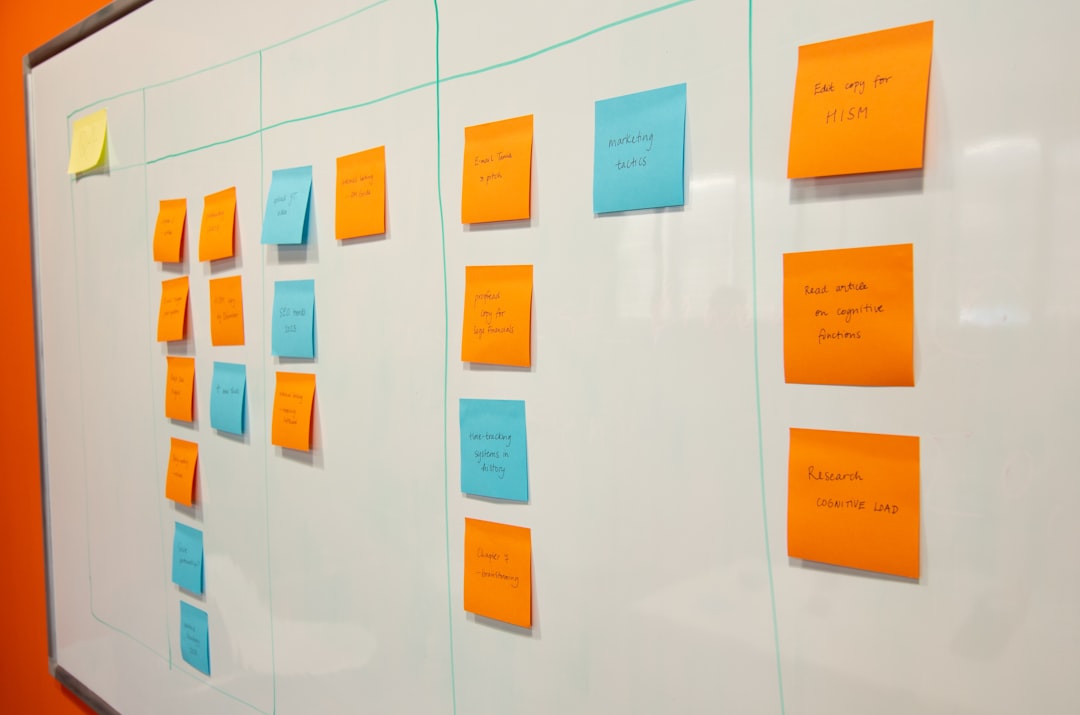
SEO can feel like a messy kitchen after taco night. Keywords are everywhere. Reports are half done. Someone changed a title tag and nobody knows why. This is where SEO SOPs save the day. They turn chaos into a clean, repeatable system.
TLDR: SEO SOPs are simple step-by-step instructions for common SEO tasks. They help your team work faster, avoid mistakes, and get the same quality every time. The eight SOPs below cover keyword research, content creation, technical checks, reporting, and more. Document them once, then improve them as your team learns.
What Is an SEO SOP?
An SEO SOP is a Standard Operating Procedure for an SEO task. In plain English, it is a checklist or guide that shows someone how to do the job.
It answers questions like:
- What is the goal?
- Who owns the task?
- What tools are needed?
- What steps should be followed?
- How do we know the work is done well?
Think of it like a recipe. You do not want every person making the same cake in a totally different way. One person adds salt. One forgets eggs. One bakes it for three hours. That is not cake. That is a crime scene.
Good SOPs help your marketing team move as one. They also make training easier. New hires can read the SOP and start faster. Managers can spend less time answering the same questions. Everyone wins.

1. Keyword Research SOP
Keyword research is the starting point for most SEO work. If your team picks random keywords, your content may miss the mark. A keyword research SOP keeps the process clear.
Your SOP should explain how to:
- Find seed keywords.
- Use SEO tools to expand ideas.
- Check search volume.
- Review keyword difficulty.
- Understand search intent.
- Group keywords by topic.
- Choose primary and secondary keywords.
The most important part is search intent. Ask, “What does the searcher really want?” Do they want to buy? Learn? Compare? Fix something? If your content does not match intent, Google may ignore it like a cold cup of coffee.
2. Content Brief SOP
A content brief tells writers what to create. Without one, writers may guess. Guessing is fun for game night. It is not great for SEO.
Your content brief SOP should include:
- Target keyword.
- Search intent.
- Suggested title.
- Audience details.
- Key points to cover.
- Internal links to include.
- Competitors to review.
- Word count range.
- Call to action.
A strong brief gives direction, not a cage. Writers still need room to write like humans. No one wants to read a robot sandwich.
3. On-Page Optimization SOP
On-page SEO is where your content gets dressed for the party. It needs a good title, clean headings, helpful links, and sharp meta details.
Your SOP should walk the team through each on-page item:
- Use the primary keyword in the title tag.
- Write a clear meta description.
- Use one H1 tag.
- Add helpful H2 and H3 headings.
- Place keywords naturally.
- Add internal links.
- Add external links when useful.
- Optimize image alt text.
- Check the URL slug.
Keep it simple. The goal is not to stuff the keyword everywhere. That feels weird. Write for people first. Then help search engines understand the page.
4. Technical SEO Audit SOP
Technical SEO sounds scary. It is not. It is just checking if your website is easy for search engines to crawl, read, and index.
Your technical audit SOP should include checks for:
- Broken links.
- Slow pages.
- Missing title tags.
- Duplicate meta descriptions.
- Indexing issues.
- Redirect chains.
- Mobile usability.
- Core Web Vitals.
- XML sitemap health.
- Robots.txt rules.
Set a schedule. Some teams do a light audit every month. Others do a deep audit each quarter. The exact timing depends on your site size. A tiny site needs fewer checkups than a 50,000-page monster.
5. Content Publishing SOP
Publishing should not feel like launching a rocket in a thunderstorm. But it often does. A publishing SOP helps every post go live the right way.
Include steps for:
- Final proofreading.
- Formatting headings and lists.
- Adding images.
- Compressing image files.
- Adding alt text.
- Checking links.
- Setting the category.
- Adding schema if needed.
- Previewing the page.
- Publishing or scheduling.
Add one final rule: always preview before publishing. This catches strange spacing, broken buttons, giant images, and other little gremlins.
6. Internal Linking SOP
Internal links are links from one page on your site to another. They help users find more good stuff. They also help search engines understand your site structure.
Your internal linking SOP should explain:
- How to find relevant pages to link to.
- How many links to add.
- What anchor text to use.
- Which pages are high priority.
- How to avoid spammy linking.
Use natural anchor text. For example, “learn how to write better product pages” is better than “click here.” Search engines like context. Humans do too.
This SOP is especially useful after publishing new content. Make it a habit to add links to the new page from older pages. This gives the new page a little welcome party.
7. SEO Reporting SOP
Reports should not be a pile of charts that make everyone blink in silence. A good report tells a clear story. What happened? Why did it happen? What should we do next?
Your SEO reporting SOP should define:
- Reporting frequency.
- Metrics to track.
- Data sources.
- Report format.
- Audience for the report.
- Owner of the report.
- Action items.
Track metrics like organic traffic, keyword rankings, conversions, indexed pages, and top landing pages. But do not drown people in numbers. Pick the metrics that match business goals.
Also include notes. A traffic drop may look scary. But maybe tracking broke. Or maybe a big campaign ended. Context matters. Numbers without context are just tiny drama machines.

8. Content Refresh SOP
Old content can still work hard. But it needs care. A content refresh SOP helps your team find pages that need updates.
Your SOP should show how to:
- Find pages with traffic drops.
- Check outdated facts.
- Review keyword rankings.
- Update examples.
- Add new sections.
- Improve headings.
- Replace weak links.
- Update the publish date if appropriate.
Refreshing content is often faster than creating a new page. It is like giving an old jacket a cool new lining. Same jacket. Better vibe.
How to Document Your SEO SOPs
You do not need fancy magic. A simple document works. A shared folder works. A project management tool works. The best system is the one your team will actually use.
Each SOP should include:
- Purpose: Why this SOP exists.
- Owner: Who keeps it updated.
- Tools: What tools are needed.
- Steps: The exact process.
- Quality check: How to review the work.
- Last updated date: So it does not become ancient scroll content.
Keep the language plain. Short steps are best. Add screenshots where helpful. Use checklists. Nobody wants to read a 42-page novel called The Meta Description Awakens.
Final Thoughts
SEO SOPs are not boring paperwork. They are your team’s playbook. They help people do great work without reinventing the wheel every week.
Start with the eight SOPs above. Keep them simple. Test them in real life. Improve them often. Soon, your SEO process will feel less like chaos and more like a smooth little machine with snacks nearby.