
Employee engagement grows when people feel connected to their work, their colleagues, and the culture around them. While compensation and career growth matter, shared workplace experiences often create the emotional connection that keeps teams motivated. Well-planned events can improve collaboration, reduce burnout, and help employees feel seen beyond their job titles.
TLDR: Workplace events can strengthen employee engagement by creating opportunities for connection, recognition, learning, and fun. The best ideas are inclusive, purposeful, and aligned with company culture. From wellness days to innovation challenges, organizations can use events to build trust and improve morale. A balanced calendar of in-person, hybrid, and virtual activities helps every employee participate meaningfully.
1. Team-Building Challenge Day
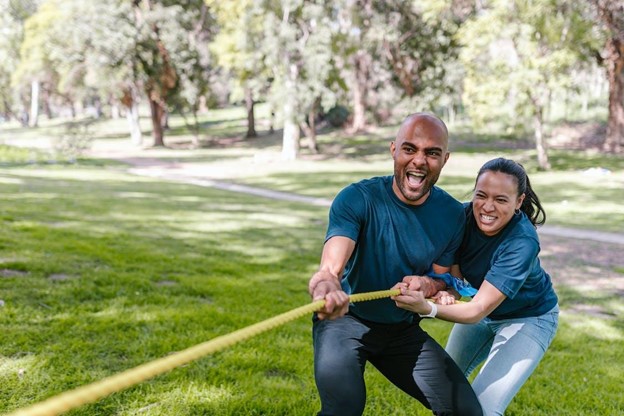
A team-building challenge day gives employees the chance to solve problems together outside their usual responsibilities. Instead of relying on forced icebreakers, companies can organize activities that require communication, creativity, and strategy. Examples include escape room challenges, office scavenger hunts, cooking competitions, trivia tournaments, or puzzle-based missions.
The strongest team-building events are designed with clear goals. If the workplace needs better cross-department collaboration, teams can be mixed across departments. If the goal is improving leadership skills, activities can rotate team captains. The event should feel enjoyable, but it should also encourage employees to practice skills they can bring back to daily work.
2. Employee Recognition Celebration
Recognition is one of the most powerful drivers of engagement. An employee recognition celebration can be hosted monthly, quarterly, or annually to honor achievements, milestones, and values-based contributions. Rather than focusing only on sales numbers or productivity metrics, organizations can recognize qualities such as mentorship, teamwork, innovation, customer care, and resilience.
To make the event more meaningful, leaders can invite colleagues to submit peer nominations. Short stories about how an employee helped a team or improved a process often feel more personal than generic awards. The celebration can include certificates, small gifts, public appreciation, or a rotating “culture champion” honor.
- Best for: boosting morale and strengthening company values
- Ideal format: breakfast gathering, town hall, hybrid meeting, or awards lunch
- Engagement tip: include both individual and team recognition
3. Wellness and Mental Health Day
A workplace wellness day shows employees that their well-being matters. This type of event can include guided meditation, stretching sessions, nutrition talks, stress management workshops, outdoor walks, chair massages, or mental health awareness discussions. For remote teams, companies can offer virtual yoga classes, mindfulness sessions, or wellness stipends.
The key is to avoid treating wellness as a one-time perk. A successful event should introduce resources employees can use afterward, such as employee assistance programs, flexible work options, or ongoing wellness groups. When leaders participate openly, the event also helps reduce stigma around stress and burnout.
A wellness event should never pressure employees to share personal information. Participation should remain optional, comfortable, and respectful of different needs and lifestyles.
4. Lunch and Learn Sessions
Lunch and learn sessions combine professional development with informal connection. These events can feature internal experts, guest speakers, industry specialists, or employees who want to share unique skills. Topics might include communication, financial wellness, AI tools, leadership habits, public speaking, time management, or career path planning.
One reason lunch and learns work well is that they are easy to scale. A small team can meet in a conference room, while a global company can host the session online. Companies can also record sessions for employees in different time zones.
To keep engagement high, organizers should encourage questions, polls, breakout discussions, and follow-up resources. When employees are invited to suggest topics, the program becomes more relevant and valuable.
5. Volunteer or Community Service Event
Many employees feel more engaged when their employer supports a purpose beyond profit. A volunteer event allows teams to contribute to the community while building stronger relationships with one another. Organizations might partner with food banks, animal shelters, environmental groups, schools, hospitals, or local charities.
Community service events are especially effective because they create a shared sense of meaning. Employees who may not work closely together can connect through a common cause. These experiences often reveal leadership, empathy, and teamwork in ways that regular workplace tasks do not.

For maximum impact, companies should offer a few options so employees can choose causes they care about. Paid volunteer time, donation matching, and follow-up storytelling can help extend the value of the event.
6. Innovation Hackathon or Idea Jam
An innovation hackathon is not only for technology companies. Any organization can host an idea-focused event where employees propose improvements, solve customer problems, or develop new internal processes. The event can last a few hours, a full day, or an entire week depending on company size and goals.
Employees can work in small groups to brainstorm ideas, create simple prototypes, and present solutions to a panel of leaders. Categories might include cost savings, customer experience, sustainability, workplace culture, or operational efficiency.
To make the event engaging, companies should ensure that winning ideas are actually considered for implementation. Employees become more invested when they see that leadership listens and acts. Even ideas that are not selected can inspire future improvements.
- Define a challenge that matters to the organization.
- Create diverse teams with employees from different roles.
- Set a realistic time limit to maintain energy.
- Invite leaders to listen and provide constructive feedback.
- Follow up with next steps after the event.
7. Culture and Appreciation Social
A culture and appreciation social gives employees room to relax and connect without a heavy agenda. This event can take many forms, such as a themed office party, family picnic, virtual game night, seasonal celebration, coffee tasting, talent show, or multicultural potluck. The purpose is to create an environment where employees can enjoy one another’s company and feel part of a shared community.
The best social events are inclusive. Organizers should consider dietary needs, accessibility, schedules, cultural differences, and remote participation. Alcohol should never be the center of the event, and activities should not exclude employees who are quieter, newer, or less comfortable in large groups.

Small details can make a major difference. A welcome table for new hires, conversation prompts, music, themed decorations, and team photo opportunities can make the event feel warm rather than awkward. When social events are planned with care, they help employees form genuine connections.
How to Choose the Right Workplace Event
Not every event will fit every organization. A high-energy sales team may enjoy competition-based activities, while a busy healthcare team may value rest-focused wellness events. Leaders should consider employee preferences, team size, location, workload, and company culture before building an engagement calendar.
Surveys, suggestion boxes, and small planning committees can help identify what employees actually want. It is also important to measure results through attendance, feedback forms, retention trends, and informal conversations. Successful engagement is not about hosting the most expensive event; it is about creating experiences that feel thoughtful, relevant, and authentic.
FAQ
What is the main goal of workplace events for employee engagement?
The main goal is to help employees feel connected, valued, and motivated. Strong workplace events support relationships, recognition, well-being, and alignment with company culture.
How often should companies host employee engagement events?
Many organizations benefit from hosting smaller monthly events and larger quarterly or annual events. The right frequency depends on workload, budget, employee interest, and company size.
Are virtual workplace events effective?
Virtual events can be effective when they are interactive and well-structured. Polls, breakout rooms, games, live Q&A sessions, and mailed activity kits can help remote employees feel included.
How can companies make workplace events more inclusive?
Companies can improve inclusivity by offering different event types, respecting accessibility needs, considering time zones, providing non-alcoholic options, and asking employees for input before planning.
What makes an employee engagement event successful?
A successful event has a clear purpose, strong participation, thoughtful planning, and meaningful follow-up. Employees should leave feeling more connected to their colleagues, leaders, or workplace mission.