
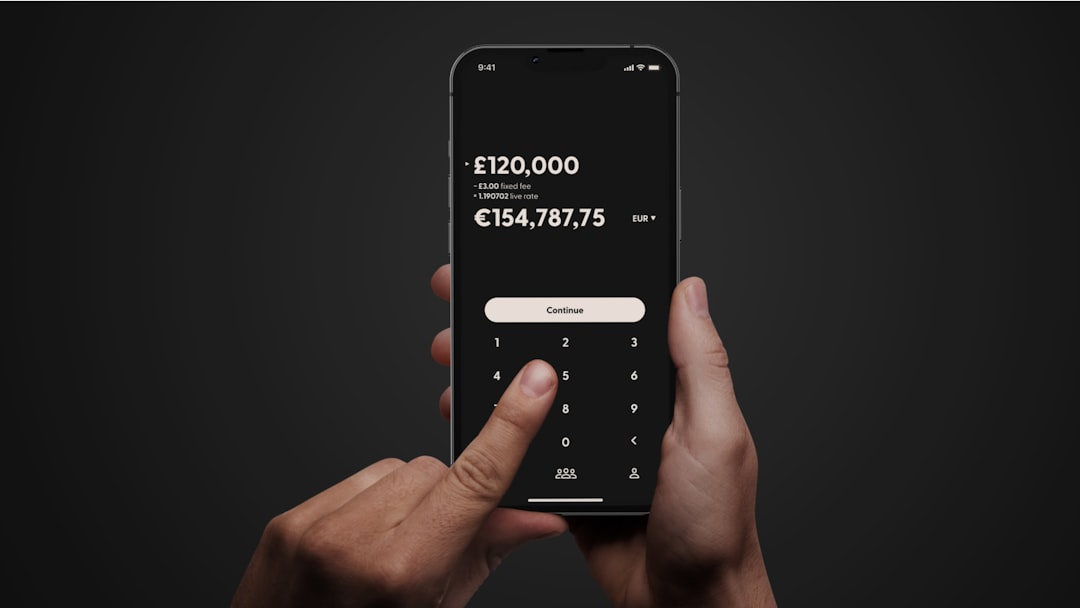
Money moves fast. Apps move faster. But people still need to understand what they are clicking. That is where fintech translation services come in. They help financial technology companies speak clearly to users in many countries, languages, and cultures.
TLDR: Fintech translation is not just changing words from one language to another. It is about trust, rules, accuracy, and user comfort. The best fintech companies use expert translators, strong security, local testing, and clear processes. Good translation helps users feel safe when they send money, invest, borrow, or pay.
Why fintech translation matters
Fintech is full of important moments. A user opens an account. They confirm their identity. They send money to a friend. They buy crypto. They apply for a loan. Each step needs clear language.
If the words are confusing, users may stop. Worse, they may make a mistake. In finance, small mistakes can cost real money. So translation is not a “nice extra.” It is part of the product.
Good translation builds trust. It tells users, “We understand you.” It also helps companies follow local laws. That is a big deal in fintech.

Translation is not just translation
Fintech language can be tricky. A word like balance may sound simple. But in finance, it has a precise meaning. A word like settlement may mean something very specific in banking. A normal translator may miss these details.
This is why fintech companies need translators who know money terms. They should understand:
- Banking terms and processes
- Payments, cards, and transfers
- Loans, interest, and credit
- Investing, stocks, and funds
- Crypto, wallets, and exchanges
- Compliance, risk, and legal language
A funny button label can be cute in a game. In a banking app, not so much. Fintech language should be friendly, but it must be exact.
Best practice 1: Use fintech specialists
Do not send your app copy to “someone who speaks the language.” That is risky. Use translators with financial experience.
A fintech specialist knows the difference between common words and regulated terms. They know when to be simple. They also know when not to simplify too much.
For example, a legal notice cannot be turned into casual slang. A payment warning must be clear. A privacy message must match the law. A rewards page can be lighter and more fun.
The best teams use subject matter experts. These people check the meaning. They make sure nothing important gets lost.
Best practice 2: Build a glossary
A glossary is like a dictionary for your product. It lists key terms and approved translations. It keeps everyone on the same page.
For example, if your app uses the word wallet, decide how it should appear in each language. Then use it the same way everywhere.
A glossary should include:
- Product names
- Feature names
- Financial terms
- Legal terms
- Words that must not be translated
- Tone of voice notes
This saves time. It also reduces errors. Your app will feel more polished. Users will not wonder if two different words mean the same thing.
Best practice 3: Create a style guide
A style guide explains how your brand talks. Is your voice warm and simple? Serious and formal? Bold and playful? Fintech brands often need a mix.
You can be friendly. But you must not sound careless. “Oops, your transfer failed!” may sound too light. “Your transfer could not be completed” is safer and clearer.
Your style guide should cover:
- How formal the language should be
- How to address the user
- How to write error messages
- How to explain fees
- How to handle sensitive topics
- How to write for beginners
Good style makes your product feel human. It also makes it easier to translate at scale.
Best practice 4: Respect local laws
Fintech is tightly regulated. Rules change by country. They can also change by region, language, or product type.
One country may require certain risk warnings. Another may require special wording for lending. Crypto rules can be very different from place to place.
This means you should not translate legal or compliance content without review. Use local legal experts where needed. Work with compliance teams early. Do not wait until launch day.
Translation should support regulatory compliance. It should not create new risks.
Best practice 5: Protect user data
Fintech content can include sensitive data. Names. Account numbers. Tax details. Identity documents. Transaction notes. This is not cat meme material.
Your translation process must be secure. Choose providers who take privacy seriously.
Look for:
- Secure file transfer
- Access controls
- Non disclosure agreements
- Data encryption
- Clear data retention rules
- Compliance with privacy laws
Do not paste sensitive customer data into random online tools. That can create serious problems. Keep your process clean and controlled.
Best practice 6: Localize the full user journey
Translation is only part of localization. Localization means adapting the whole experience for local users.
This includes:
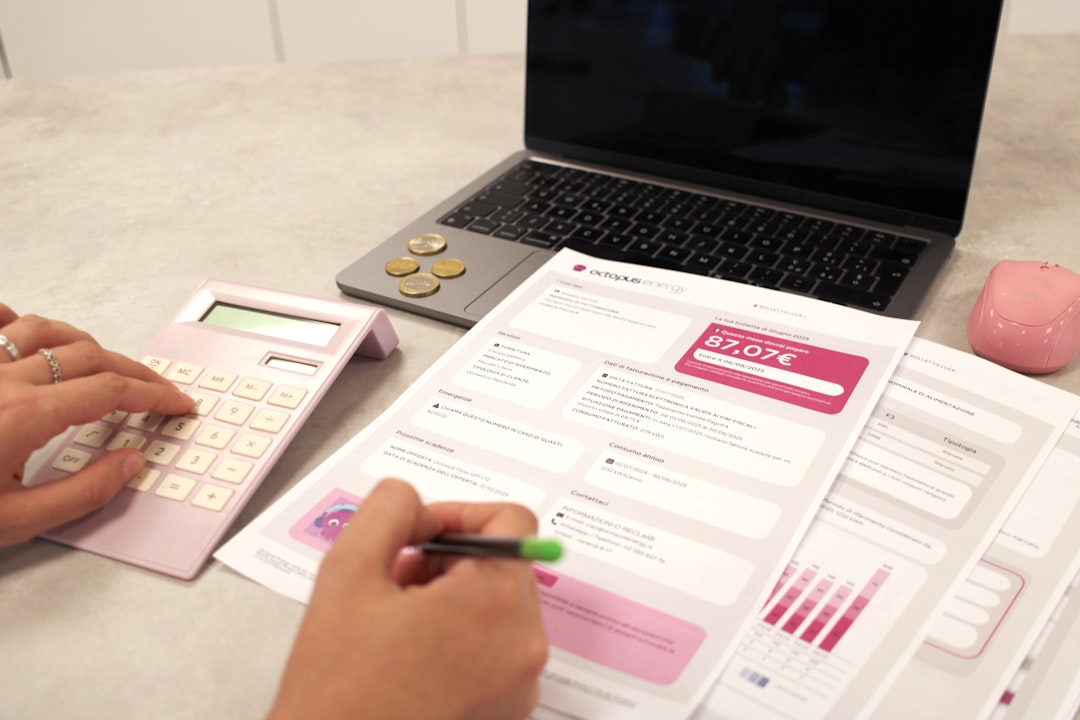
- Currency formats
- Date formats
- Number formats
- Address fields
- Tax terms
- Payment methods
- Identity verification steps
For example, “01/05/2026” may mean January 5 in one country. It may mean May 1 in another. That can get messy fast.
Also think about cultural habits. Some users prefer bank transfers. Others prefer mobile wallets. Some expect very formal language. Others like a relaxed tone.
The goal is simple. Make the app feel built for that market.
Best practice 7: Test inside the product
Words can look perfect in a spreadsheet. Then they break inside the app. A German phrase may be too long for a button. An Arabic layout may need right to left design. A Spanish message may wrap in a strange way.
Always test translations in context. This is called linguistic testing. It helps catch awkward text, cut off buttons, broken layouts, and confusing flows.
Test these areas carefully:
- Sign up screens
- Payment flows
- Error messages
- Security alerts
- Legal notices
- Push notifications
- Email templates
Testing may sound boring. But it saves you from the scary kind of fun. The kind with angry users and emergency fixes.

Best practice 8: Keep things simple
Finance can be complex. Your language should not make it worse. Use short sentences. Avoid jargon when possible. Explain hard ideas in plain words.
For example, instead of “Your transaction is pending settlement,” you might say, “Your payment is still being processed.” That is easier for most users.
Simple language helps everyone. It helps native speakers. It helps non native speakers. It also helps users who are stressed, tired, or in a hurry.
Best practice 9: Plan for updates
Fintech products change often. New features arrive. Fees change. Rules change. Markets expand. Your translation process must be ready.
Use translation memory tools. These store past translations. They help teams reuse approved phrases. This keeps language consistent and lowers cost.
Also create a review workflow. Decide who approves what. Product teams, legal teams, compliance teams, and local market teams may all need a role.
A clear workflow avoids chaos. Chaos is not a growth strategy.
Best practice 10: Measure quality
You cannot improve what you do not measure. Track translation quality like you track product performance.
Useful signals include:
- User support tickets about confusing language
- Drop off rates in key flows
- Feedback from local teams
- Compliance review results
- Translation error reports
- App store reviews by market
If users keep asking the same question, the copy may be unclear. If many people quit during identity checks, the instructions may need work. Language is part of user experience.
Common fintech translation mistakes
Even smart companies make mistakes. Here are a few to avoid:
- Translating too late. Bring language teams in early.
- Ignoring context. A single word can mean many things.
- Using machine translation alone. It needs expert review.
- Skipping legal review. This can be expensive later.
- Forgetting support content. Help centers need love too.
- Changing terms often. Consistency matters.
Machine translation can help with speed. But fintech needs human control. A machine may not understand risk, law, tone, or trust. Use it carefully.
The big payoff
Great fintech translation does more than make words readable. It makes users feel safe. It helps them understand choices. It reduces support requests. It helps companies enter new markets with confidence.
It also shows respect. Money is personal. People want to feel that their financial app understands their language, their rules, and their needs.
So treat translation like a core product feature. Give it experts. Give it time. Give it testing. Your users will notice. And in fintech, trust is the best feature of all.