
As companies expand across borders, a single website often needs to serve audiences with different languages, search behaviors, currencies, regulations, and cultural expectations. A well-managed multi-regional website helps a brand appear in the right search results, speak naturally to local users, and convert visitors with content that feels relevant rather than simply translated.
TLDR: Multi-regional websites perform best when SEO, localization, and content strategy are planned together from the beginning. Search engines need clear signals such as hreflang, local URLs, and consistent technical structure, while users need culturally relevant content and localized experiences. Brands should avoid one-size-fits-all translation and instead build regional strategies based on search intent, market behavior, and ongoing performance data.
Why Multi-Regional Website Strategy Matters
A multi-regional website is not just a larger version of a standard website. It is a system designed to reach people in different countries or language groups while maintaining brand consistency. Without a clear strategy, a business may create duplicate content, confuse search engines, rank in the wrong country, or frustrate users with irrelevant pricing, contact details, or terminology.
Successful multi-regional websites balance three priorities: technical SEO, localization, and content strategy. Each supports the others. Technical SEO helps search engines understand the site structure, localization makes the experience feel native, and content strategy ensures every market receives useful, targeted information.
Image not found in postmetaChoosing the Right URL Structure
One of the first decisions for a multi-regional website is the URL structure. Search engines and users both rely on URLs as location and language signals. The most common options include:
- Country code top-level domains: Examples include example.fr or example.de. These provide strong geographic signals but can be expensive and harder to manage across many markets.
- Subdirectories: Examples include example.com/fr/ or example.com/de/. These are easier to maintain and consolidate domain authority under one main domain.
- Subdomains: Examples include fr.example.com or de.example.com. These offer separation but may require more SEO management.
There is no universal best option. A global enterprise with independent local teams may prefer country code domains, while a growing company may choose subdirectories for simpler management. The important point is consistency. A site should avoid mixing structures without a clear reason.
Using Hreflang Correctly
Hreflang tags are essential for websites targeting multiple languages or regions. They tell search engines which version of a page should appear for users based on language and location. For example, a page for French users in France may use fr-fr, while a French-language page for Canadian users may use fr-ca.
Common hreflang mistakes include pointing tags to broken URLs, forgetting self-referencing tags, using incorrect country or language codes, and failing to include reciprocal links between versions. These errors can cause the wrong regional page to appear in search results.
For best results, every equivalent page should reference all relevant versions, including itself. If a global fallback page exists, an x-default tag can help direct users who do not match a specific language or country targeting rule.
Localization Is More Than Translation
Translation changes words from one language to another. Localization adapts meaning, tone, design, and functionality for a specific audience. A localized website may adjust measurements, currencies, legal notices, shipping information, customer support options, imagery, and examples.
A product page that performs well in the United States may need substantial changes for users in Japan, Germany, or Brazil. Local buyers may compare products differently, expect different proof points, or respond to different calls to action. Even small details, such as date formats and address fields, can influence trust.

Brands should also consider local vocabulary. Spanish content for Spain may not sound natural in Mexico. English content for the United Kingdom may differ from content for Australia or the United States. Native-speaking reviewers, regional marketers, and local customer feedback can help prevent awkward or inaccurate messaging.
Conducting Regional Keyword Research
Keyword research should be performed separately for each target market. Directly translating keywords often leads to poor results because users in different regions may search with different phrases, slang, or intent. A term with high search volume in one country may have little value in another.
Regional keyword research should examine:
- Local search volume for relevant product and service terms
- Search intent, including informational, commercial, and transactional needs
- Competitor rankings in each market
- Seasonality and local holidays that influence demand
- Search engine differences, especially in markets where Google is not dominant
This research should guide page titles, headings, metadata, product descriptions, blog topics, and internal linking. It also helps teams identify content gaps unique to each region.
Creating a Scalable Content Strategy
A multi-regional content strategy should define which content is global, which is regional, and which is fully local. Global content may include brand values, core product information, and company history. Regional content may cover market-specific regulations, pricing, testimonials, logistics, or events. Local content may address city-level needs, cultural references, or location-specific landing pages.
To scale effectively, organizations should build a content governance model. This may include shared brand guidelines, regional editorial calendars, translation workflows, approval processes, and documentation for SEO standards. Central teams can maintain consistency, while local teams can adapt content to real market conditions.
Content should not be duplicated across regions without purpose. If two markets use the same language, such as the United States and Canada, pages may still need unique details to justify separate regional versions. Differences in shipping, taxes, spelling, customer support, and legal requirements can all help make each page distinct and useful.
Technical SEO Considerations
Technical performance is especially important for international websites. Slow loading times, poor mobile usability, or complex navigation can damage rankings and conversions across every region. A site should use fast hosting, optimized images, clean code, and reliable content delivery networks where appropriate.
Search engines must also be able to crawl and index each regional version. Important pages should not be hidden behind automatic redirects based only on IP address. While geolocation can improve user experience, it should not prevent users or crawlers from accessing alternate versions. Language selectors should be visible, crawlable, and easy to use.
Structured data can also be localized. Business information, product availability, pricing, reviews, and organization details should match the relevant market. Inconsistent structured data may reduce trust and limit rich result visibility.
Building Local Authority
Backlinks remain an important part of SEO, but authority should be built locally. A regional page targeting Italy, for example, benefits from relevant links from Italian publications, industry directories, partners, and local organizations. These links signal that the content is useful in that specific market.
Local digital PR, partnerships, sponsorships, and region-specific resources can support link building. Reviews, testimonials, and case studies from local customers can also strengthen credibility. A brand that appears active in a region is more likely to earn trust from both users and search engines.
Measuring Performance by Region
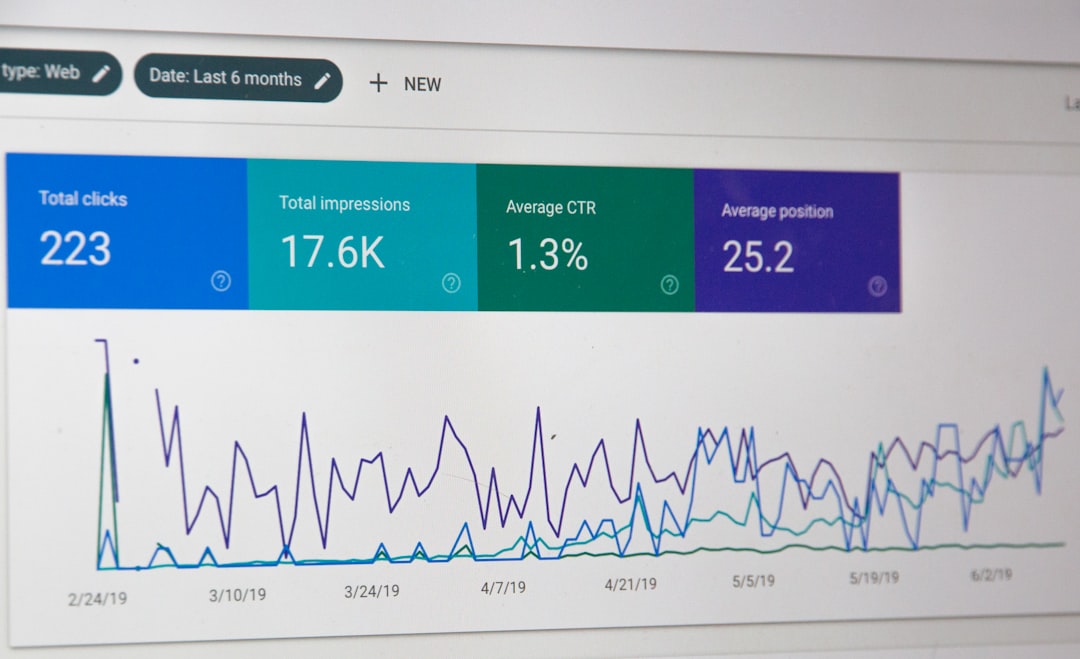
Multi-regional websites should not rely on global averages alone. Performance should be reviewed by country, language, device, landing page, and conversion path. A page that performs well globally may still underperform in a specific market due to weak localization, poor rankings, or mismatched search intent.
Key metrics include organic traffic, rankings by region, click-through rate, engagement, conversion rate, revenue, indexed pages, crawl errors, and hreflang issues. Teams should also monitor on-site search data and customer support questions, as these often reveal missing or unclear content.
Best Practices for Long-Term Success
- Plan structure before expansion: URL strategy, hreflang, analytics, and governance should be decided early.
- Localize with real market insight: Native review and regional research reduce cultural and linguistic errors.
- Create unique value for each market: Regional pages should provide information that is genuinely useful to local users.
- Maintain technical consistency: Templates, metadata, structured data, and internal links should follow clear standards.
- Review performance continuously: Search behavior and market expectations change, so content should be updated regularly.
FAQ
What is a multi-regional website?
A multi-regional website targets users in different countries, languages, or geographic markets. It may offer separate pages, content, pricing, and user experiences for each region.
Is hreflang required for international SEO?
Hreflang is strongly recommended when pages have similar content in different languages or regional versions. It helps search engines show the most appropriate page to each user.
Should a business use subdirectories or country domains?
Subdirectories are often easier to manage and consolidate SEO authority, while country domains provide stronger local signals. The best choice depends on resources, brand structure, and expansion plans.
Why is translation alone not enough?
Translation may not account for cultural expectations, local search terms, legal requirements, currencies, or buying behavior. Localization creates a more relevant and trustworthy experience.
How often should regional content be updated?
Regional content should be reviewed regularly, especially when products, prices, regulations, search trends, or customer expectations change. Many organizations perform major reviews quarterly or biannually.