
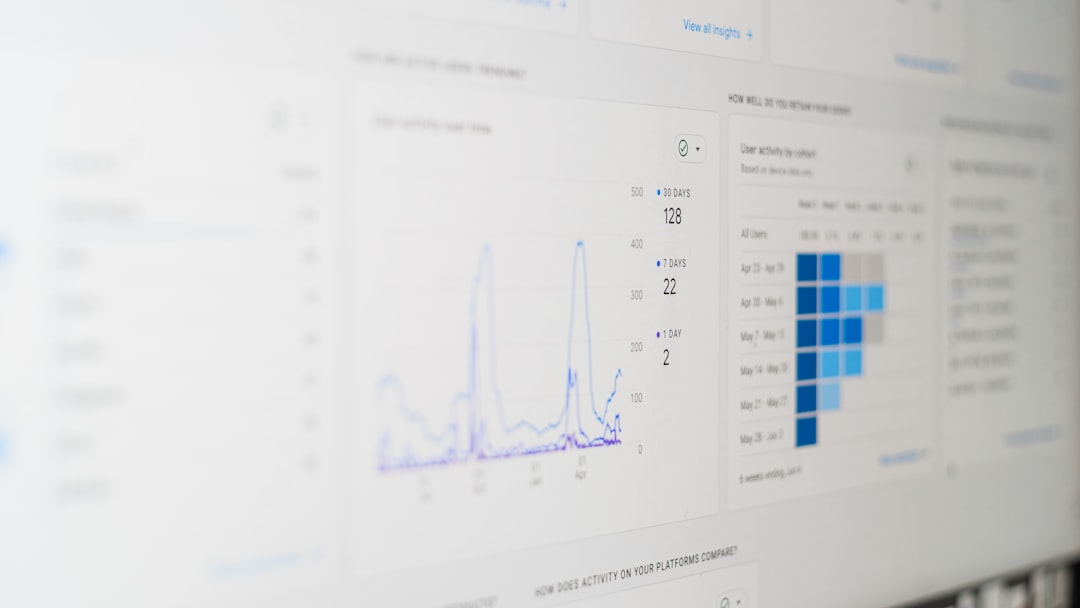
Demand forecasting software helps organizations estimate future sales, inventory needs, capacity requirements, staffing levels, and cash flow with greater confidence. By combining historical data, market signals, seasonality, pricing, promotions, and external variables, these platforms make planning less reactive and more evidence-based.
TLDR: Demand forecasting software uses data models, machine learning, and business rules to predict what customers are likely to buy, when they will buy it, and in what quantity. For example, a retailer using forecasting software might reduce stockouts by 20% and lower excess inventory by 15% after analyzing three years of sales, holiday spikes, and regional demand patterns. The best tools vary by company size, industry, data maturity, and whether the business needs inventory planning, financial forecasting, or full supply chain optimization.
Why Demand Forecasting Software Matters
Accurate demand forecasting has become a competitive advantage for retailers, manufacturers, distributors, and service providers. When demand is underestimated, companies lose revenue through stockouts, delayed deliveries, and poor customer experiences. When demand is overestimated, they tie up capital in excess inventory, storage costs, markdowns, and waste.
Modern forecasting tools go beyond spreadsheets by automating data collection, identifying patterns, and running predictive models at scale. Many systems can account for seasonality, product life cycles, promotions, weather, economic indicators, supplier lead times, and changing customer behavior.
Key Features to Look For
- Automated data integration: Connection to ERP, CRM, POS, ecommerce, warehouse, and finance systems.
- Machine learning models: Algorithms that improve predictions as more data becomes available.
- Scenario planning: Tools for modeling best-case, worst-case, and expected demand outcomes.
- Inventory optimization: Recommended reorder points, safety stock, and replenishment quantities.
- Collaboration features: Shared forecasts for sales, operations, finance, and supply chain teams.
- Reporting and visualization: Dashboards that make trends, exceptions, and risks easy to understand.
15 Demand Forecasting Software Tools
1. SAP Integrated Business Planning
SAP Integrated Business Planning is a powerful enterprise solution for demand planning, supply planning, inventory optimization, and sales and operations planning. It is best suited for large organizations with complex supply chains and existing SAP ecosystems. Its strength lies in advanced analytics, what-if simulations, and cross-functional planning.
2. Oracle Fusion Cloud Supply Chain Planning
Oracle Fusion Cloud Supply Chain Planning helps companies forecast demand, plan supply, and align operations with financial goals. It uses AI-driven insights and scenario modeling to improve decisions across procurement, production, and logistics. Large manufacturers and global distributors often benefit from its broad planning capabilities.
3. Microsoft Dynamics 365 Supply Chain Management
Microsoft Dynamics 365 Supply Chain Management includes demand forecasting features that use historical transaction data and cloud-based analytics. It is especially attractive for companies already using Microsoft’s enterprise stack. The platform supports inventory management, warehouse operations, production planning, and asset management.
4. NetSuite Demand Planning
NetSuite Demand Planning helps growing companies forecast future inventory requirements using sales history, seasonality, and demand trends. It is commonly used by mid-sized businesses that need forecasting connected to accounting, purchasing, ecommerce, and order management. Its integrated ERP environment reduces data silos.
5. Anaplan
Anaplan is known for connected planning across finance, sales, operations, and supply chain teams. Its demand forecasting capabilities support scenario analysis and collaborative planning. Companies often use it when multiple departments need to align around one version of the forecast.

6. Kinaxis RapidResponse
Kinaxis RapidResponse is designed for agile supply chain planning and fast response to demand changes. It is frequently used in industries such as electronics, automotive, life sciences, and consumer goods. Its concurrent planning approach helps teams see how a demand shift affects supply, inventory, and production.
7. o9 Solutions
o9 Solutions provides an AI-powered planning platform for demand forecasting, supply chain management, revenue growth, and integrated business planning. It combines internal company data with external market signals to improve predictive accuracy. Large enterprises use it to model complex demand networks and business scenarios.
8. Blue Yonder Demand Planning
Blue Yonder Demand Planning focuses on AI and machine learning for retail, manufacturing, and supply chain forecasting. It helps businesses forecast at granular levels, such as store, SKU, channel, and region. Its capabilities are especially valuable for organizations facing high product variety and frequent demand fluctuations.
9. RELEX Solutions
RELEX Solutions specializes in retail and consumer goods planning. It supports demand forecasting, replenishment, workforce planning, and space optimization. Retailers use it to manage fresh food, promotions, regional assortments, and seasonal changes where accuracy can directly affect margins and waste reduction.
10. Forecast Pro
Forecast Pro is a well-established forecasting tool used by businesses that need statistical forecasting without the complexity of a full enterprise planning suite. It offers model selection, forecast accuracy tracking, and integration options. It is suitable for companies moving beyond manual spreadsheet forecasting.
11. Lokad
Lokad focuses on quantitative supply chain optimization. Its platform uses probabilistic forecasting to address uncertain demand, lead times, and inventory risks. Rather than producing a single number, it can estimate ranges of outcomes, which helps companies make better financial and operational trade-offs.
12. John Galt Solutions Atlas Planning Platform
John Galt Solutions offers the Atlas Planning Platform for demand planning, inventory planning, supply planning, and S&OP. It is used by manufacturers, distributors, and consumer goods companies. The platform balances usability with advanced analytics, making it suitable for teams that need robust planning without excessive complexity.
13. ToolsGroup SO99+
ToolsGroup SO99+ is built for demand forecasting and service-driven inventory optimization. It is often used where product portfolios are large, demand is volatile, and service-level targets matter. Its automation features help planners focus on exceptions rather than manually reviewing every forecast line.
14. Slimstock Slim4
Slimstock Slim4 helps companies improve inventory availability while reducing excess stock. It is widely used by wholesalers, retailers, and manufacturers. The platform includes demand forecasting, replenishment, lifecycle management, and exception-based planning to support practical inventory decisions.
15. Demand Works Smoothie
Demand Works Smoothie provides demand planning, inventory planning, and sales and operations planning tools. It is designed to be approachable for mid-sized organizations that need structured forecasting and collaboration. Its interface and planning workflows make it a useful option for teams replacing spreadsheet-heavy processes.
How Companies Should Choose the Right Tool
The best demand forecasting software depends on the company’s size, industry, planning maturity, and technical environment. A global manufacturer may need advanced scenario modeling, supplier constraints, and multi-echelon inventory optimization. A regional retailer may prioritize store-level forecasts, promotion planning, and replenishment automation.
Decision-makers should evaluate the following criteria before selecting a platform:
- Forecasting complexity: The number of products, locations, channels, and customer segments being planned.
- Data quality: The availability and reliability of historical sales, inventory, pricing, and external data.
- Integration needs: Compatibility with existing ERP, ecommerce, warehouse, and reporting systems.
- User adoption: Whether planners, sales teams, and executives can easily understand and trust the system.
- Total cost: Licensing, implementation, training, support, customization, and maintenance costs.
Common Benefits of Demand Forecasting Software
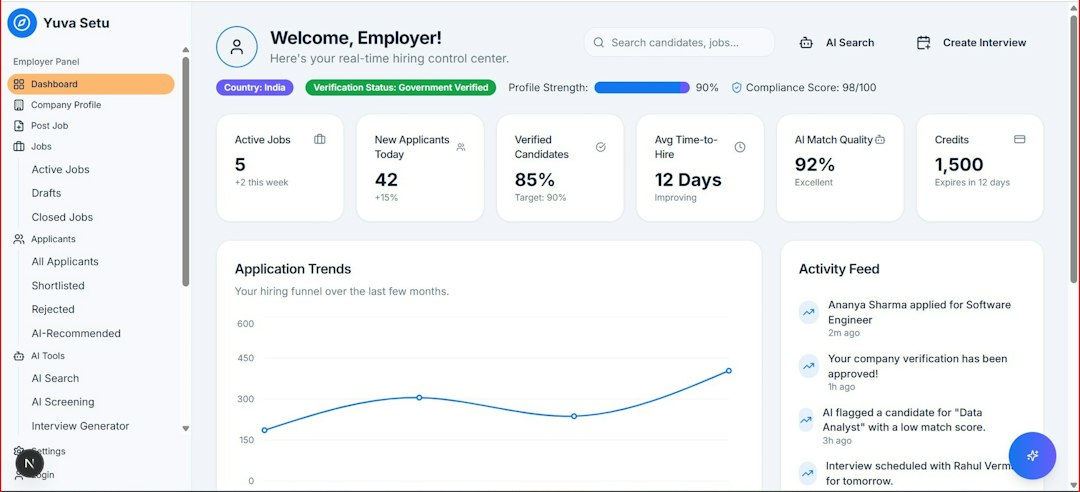
Organizations using demand forecasting software often see measurable improvements in inventory efficiency, service levels, planning speed, and profitability. For example, a distributor with thousands of SKUs may use automated exception alerts to reduce manual forecast reviews by 40%. A grocery chain may use daily demand signals to reduce spoilage in fresh categories while keeping shelves stocked.
The main benefit is not just a more accurate forecast. It is the ability to turn that forecast into better purchasing, staffing, production, and financial decisions. When sales, operations, and finance teams work from a shared forecast, planning becomes more coordinated and less dependent on guesswork.
FAQ
What is demand forecasting software?
Demand forecasting software is a digital tool that predicts future customer demand using historical data, statistical models, machine learning, and business inputs. It helps companies plan inventory, production, staffing, budgeting, and supply chain operations.
Who uses demand forecasting software?
It is used by retailers, manufacturers, wholesalers, distributors, ecommerce companies, logistics providers, and service businesses. Any organization that needs to anticipate future demand can benefit from forecasting tools.
Is demand forecasting software better than spreadsheets?
In most growing or complex businesses, it is more reliable than spreadsheets because it automates data updates, handles larger datasets, tracks forecast accuracy, applies advanced models, and supports collaboration across teams.
How accurate is demand forecasting software?
Accuracy depends on data quality, demand volatility, product type, forecasting method, and market conditions. Strong tools can significantly improve forecast accuracy, but no system can predict the future perfectly.
What is the best demand forecasting software?
There is no single best option for every company. Enterprise organizations may prefer SAP, Oracle, Kinaxis, o9 Solutions, or Blue Yonder, while mid-sized businesses may consider NetSuite, Forecast Pro, Slim4, Demand Works, or John Galt Solutions.
Can small businesses use demand forecasting software?
Yes. Small businesses can use simpler forecasting platforms or ERP-based planning tools to improve purchasing and inventory decisions. The key is choosing software that matches the company’s budget, data volume, and planning complexity.