
Build your October newsletter around one clear seasonal purpose: help readers make timely decisions before Halloween, year-end planning, colder weather, and holiday shopping start competing for attention.
TLDR: October newsletters work best when they combine practical seasonal value with a clear call to action. For example, a local retailer with 18,000 subscribers could send a “Fall Weekend Checklist” email and segment it by shoppers who clicked on outerwear, home décor, or Halloween items. If the average open rate is 32%, testing two subject lines may lift opens by 3–7% without changing the whole campaign. Keep the message focused, useful, and easy to act on.
Why October Is a Strong Month for Email Campaigns
October sits in a valuable space between late summer fatigue and the heavy sales push of November. People are back in routine. Budgets are not yet fully spent. Many are planning school events, home projects, seasonal meals, travel, costumes, and early holiday purchases.
That makes October a strong month for building trust before the inbox gets crowded. A serious newsletter should not shout. It should guide. Readers want short advice, relevant offers, and reminders that save time.
The catch is that many brands treat October as nothing more than pumpkins and discount codes. That gets old fast. A better approach is to match seasonal timing with a real reader need.
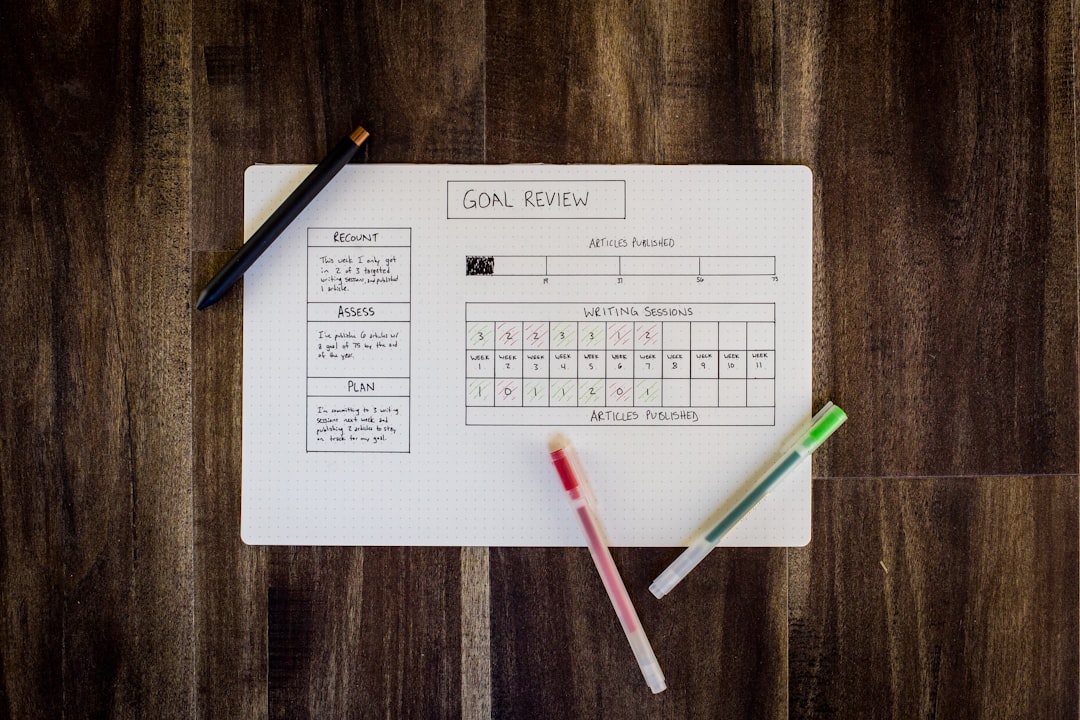
Seasonal Content Ideas That Feel Useful
A good October newsletter should feel planned, not decorative. Use seasonal references only when they support the message. Readers can spot a forced theme in seconds.
- Fall readiness guides: Share checklists for home maintenance, wardrobe updates, wellness routines, business planning, or travel preparation.
- Halloween content: Offer costume ideas, party planning tips, safety reminders, themed product picks, or last-minute delivery cutoffs.
- Early holiday planning: Help readers avoid November stress with gift planning guides, booking reminders, budget templates, or preorder notices.
- Year-end preparation: For B2B audiences, focus on budget use, annual reviews, tax preparation, staffing plans, and Q4 priorities.
- Community stories: Feature local events, customer photos, team volunteer work, seasonal milestones, or charity drives.
- Weather-based advice: Share care tips for cars, pets, gardens, equipment, skin, fitness routines, or heating systems.
The best idea depends on timing. Early October is strong for planning content. Mid October works for Halloween and fall activity emails. Late October should start bridging into holiday preparation without pushing too hard.
Headline Ideas for October Newsletters
Headlines should be specific. Vague seasonal copy gets ignored. Readers decide fast, often on a phone, so clarity beats clever wording most of the time.
Use these headline patterns as starting points:
- “Your October Checklist for a Smoother Q4”
- “5 Fall Fixes to Handle Before Cold Weather Hits”
- “Halloween Plans? Order by These Dates”
- “What to Buy in October, and What to Skip”
- “A Practical Guide to Early Holiday Planning”
- “October Updates: New Arrivals, Deadlines, and Local Events”
- “Before November Gets Busy, Do These 3 Things”
- “Fall Favorites Chosen by Our Customers”
For subject lines, keep the first 40 characters strong. Many mobile inboxes cut the rest. If the value is hidden at the end, expect fewer opens.
Good subject lines might include:
- “Your October planning checklist”
- “Halloween shipping dates are here”
- “3 quick fall updates for your home”
- “Beat the November rush”
- “October offers end Friday”
Avoid overused phrases such as “spooktacular deals” unless your audience truly enjoys playful copy. For many brands, it feels tired. Serious brands can still mention Halloween, but the tone should stay useful and direct.
Smart Segments for Better Results
Sending the same October email to every subscriber is rarely the best move. Even simple segmentation can improve results.
- New subscribers: Send a short seasonal welcome note with your most useful October resource.
- Recent buyers: Recommend care tips, refill items, accessories, or next-step services.
- Inactive subscribers: Use a plain, direct subject line such as “Still want October updates?”
- High-intent readers: Target people who clicked fall, Halloween, or holiday links in past emails.
- Local customers: Promote events, pickup hours, weather updates, and area-specific deadlines.
Honestly, it feels like some email platforms make this harder than it should be. A simple audience filter can take 45 seconds longer than expected because labels are buried behind too many menus. Still, the extra effort is worth it. A smaller, more relevant send often beats a broad blast.
Engagement Tips That Do More Than Fill Space
Engagement is not just about clicks. It is about getting the reader to respond, choose, save, book, buy, or share. October gives you several natural ways to ask for action.
- Add a one-question poll: Ask readers what they are planning first: Halloween, fall travel, home prep, or holiday shopping.
- Use deadlines clearly: If shipping, booking, or registration matters, state the final date near the top.
- Share a checklist: Checklists get saved and forwarded because they reduce mental load.
- Invite replies: Ask readers to send photos, questions, or local recommendations.
- Feature customers: A real customer story can build more trust than another product block.
- Offer a small seasonal tool: Use a calculator, planner, size guide, recipe card, template, or printable list.
Keep calls to action restrained. One primary action is usually enough. If you include five buttons, readers hesitate. Give them a clear next step.
October Newsletter Formats That Work
Choose the format based on what your audience needs most. A product-heavy email may work for retail. A planning guide may work better for service firms, nonprofits, schools, and B2B companies.
- The checklist email: Best for practical audiences. Use short sections and clear tasks.
- The editor’s picks email: Best for curated products, books, events, tools, or resources.
- The deadline reminder: Best when dates matter. Keep it brief and direct.
- The educational guide: Best for professional services, healthcare, finance, software, and consulting.
- The community update: Best for local brands, nonprofits, schools, and membership groups.
For example, a financial adviser might send “5 Tax Moves to Review Before November.” A fitness studio might send “Your Fall Routine Reset.” A pet care brand might send “Cold Weather Prep for Dogs and Cats.” Each topic is seasonal, but each one also solves a real problem.
Design and Layout Recommendations
Your October design should support reading. It should not bury the message under themed graphics. Use warm colors if they fit your brand, but keep contrast high and text easy to scan.
- Put the main value above the fold. Readers should know why the email matters within seconds.
- Use short paragraphs. Dense text kills attention on mobile.
- Limit large images. Slow loading can hurt clicks, especially on mobile networks.
- Make buttons obvious. Use direct labels such as “Download the Checklist” or “Reserve Your Spot.”
- Test dark mode. Seasonal colors can look poor when inverted.

Metrics to Watch in October
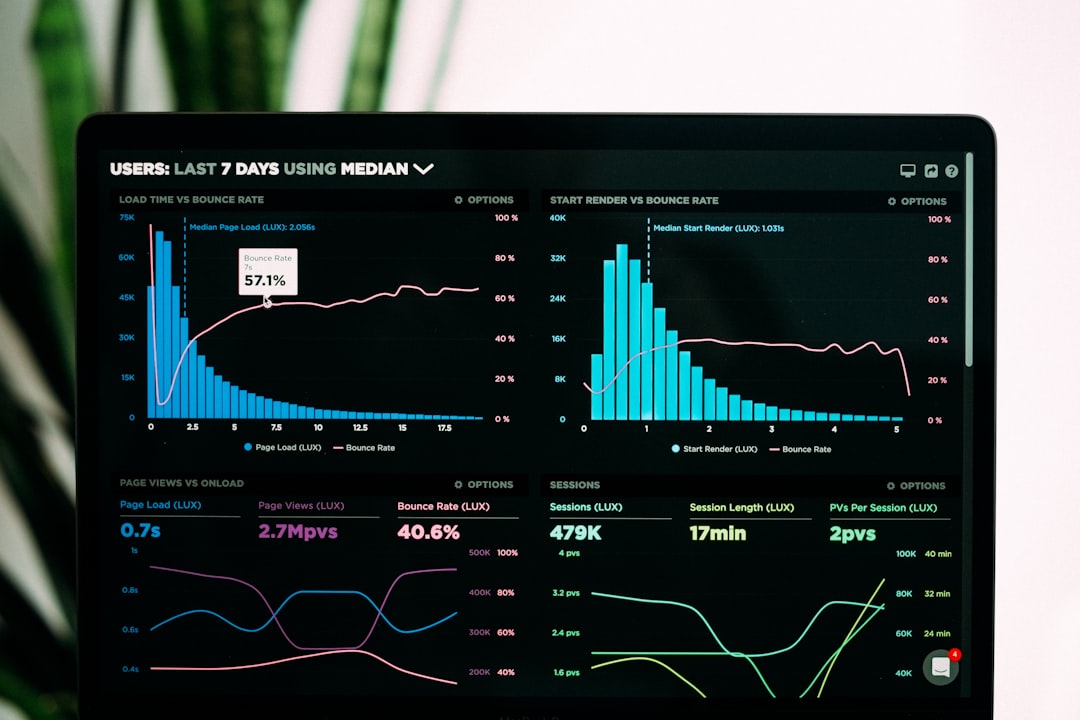
Measure more than opens. Apple Mail Privacy Protection and similar features can inflate open data. Clicks, conversions, replies, and unsubscribes give a better read on quality.
- Open rate: Useful for subject line testing, but not perfect.
- Click-through rate: Strong signal of content relevance.
- Click-to-open rate: Shows how persuasive the email was after opening.
- Conversion rate: Tracks bookings, purchases, downloads, signups, or form fills.
- Unsubscribe rate: A warning sign if your theme or frequency feels off.
A practical benchmark: if your October campaign earns a 30% open rate, a 3% click rate, and a 0.3% unsubscribe rate, it may be healthy for many consumer lists. B2B numbers vary more by list quality and sales cycle. Compare against your own past performance first.
A Simple October Newsletter Plan
Use a four-email structure if your list can support weekly communication:
- Week 1: October checklist or planning guide.
- Week 2: Seasonal tips, product picks, or educational advice.
- Week 3: Halloween, local event, or mid-month deadline reminder.
- Week 4: Early holiday planning or Q4 preparation email.
If your audience prefers fewer emails, send two strong campaigns instead: one planning-focused message early in the month and one deadline-focused message near the end.
Final Checklist Before Sending
- Does the subject line state a clear benefit?
- Is the first screen useful without scrolling?
- Is there one main call to action?
- Are dates, deadlines, and terms easy to find?
- Does the email match the reader’s actual October priorities?
October newsletters perform well when they respect the reader’s time. Seasonal content should not be decoration. It should help people plan, decide, and act before the busiest part of the year arrives.