
Advanced SEO starts when a team stops chasing isolated keywords and starts building a search system around intent, authority, technical health, and conversion value. Basic keyword optimization can still help a page rank, but it rarely builds lasting growth by itself. Stronger search strategies connect topics, user needs, data, site structure, content quality, and business goals.
TLDR: A stronger SEO strategy groups keywords by intent, builds topic clusters, improves technical performance, and measures revenue impact instead of rankings alone. For example, a B2B software site might merge 42 scattered blog posts into 6 focused content hubs and see organic demo requests rise by 31% in 90 days. A retail site could find that pages ranking in positions 4 to 8 already bring 18,000 monthly impressions, making them better targets than brand-new content. The best teams fix what is close to working before chasing every new keyword idea.
Move From Keywords to Search Intent
Basic SEO often starts with a list of keywords. Advanced SEO starts with a sharper question: What is the searcher trying to do?
A keyword such as “CRM pricing” may show buying intent. A keyword such as “what is CRM” may show early research intent. Those two searches need different pages, different calls to action, and different success metrics.
Search intent usually falls into four groups:
- Informational: The searcher wants to learn something.
- Commercial: The searcher is comparing options.
- Transactional: The searcher is ready to buy, subscribe, or request a quote.
- Support based: The searcher needs help using a product or solving a problem.
Advanced teams map content to these stages. They do not force every visitor into a sales pitch. That usually feels clumsy. Instead, they match the page to the query and guide the user to the next useful step.

Build Topic Clusters, Not Random Blog Posts
One article can rank. A well-built topic cluster can own a subject area. That is the real jump from basic SEO to a more mature system.
A topic cluster includes a central page, often called a pillar page, supported by related articles. The central page covers the broad topic. Supporting pages answer narrower questions. Internal links connect the group clearly.
For example, a payroll software company may create a pillar page on “small business payroll.” Supporting pages could cover payroll taxes, direct deposit, contractor payments, compliance checks, and payroll software comparisons.
This structure helps search engines understand expertise. It also helps users find answers without bouncing back to search results. It drives me crazy that many sites publish 200 blog posts with no clear relationship between them, then wonder why traffic stalls. The issue is not always content volume. Often, it is content disorder.
Use SERP Analysis Before Writing
Advanced SEO teams study search results before creating or updating content. They look at what already ranks and ask why.
Strong SERP analysis checks:
- Content type: Are top results guides, product pages, videos, tools, or list articles?
- Content depth: Are pages short answers or detailed resources?
- Angles: Are competitors focused on price, speed, trust, reviews, or examples?
- Features: Does Google show snippets, maps, product grids, videos, or “People also ask” boxes?
- Weaknesses: Are top pages outdated, thin, slow, vague, or missing examples?
This prevents wasted effort. If the results page favors product comparison pages, a long educational blog post may struggle. If the results favor calculators, a plain article may not win. SEO is not only about better writing. It is about matching the format that search engines already reward.
Prioritize Technical SEO That Affects Growth
Technical SEO can become a rabbit hole. Not every warning in an audit tool deserves panic. Some tools flag tiny issues with dramatic red icons. Honestly, it feels like certain crawlers take 10 seconds longer than they should just to produce 300 alerts nobody asked for.
The better approach is to focus on problems that block crawling, indexing, performance, or conversions.
High-value technical checks include:
- Indexation: Key pages should be indexable and visible in search.
- Crawl paths: Important pages should be reachable through internal links.
- Site speed: Pages should load quickly on mobile devices.
- Canonical tags: Duplicate pages should not confuse search engines.
- Structured data: Products, FAQs, reviews, events, and articles should use correct schema where useful.
- Broken links: Internal errors should be fixed before they waste crawl attention.
Technical SEO works best when it supports real pages tied to revenue, leads, or visibility. A broken template on 5,000 product pages matters more than a missing alt tag on one old blog image.

Refresh Existing Content Before Creating More
New content feels productive. Refreshing old content often produces faster wins.
Advanced teams regularly find pages ranking in positions 4 to 15 with strong impressions but weak clicks. These pages already have search traction. A better title, clearer structure, updated data, stronger internal links, and improved examples can lift them faster than a new post can mature.
A useful content refresh may include:
- Updating dates, screenshots, prices, statistics, and product details.
- Adding missing sections based on search questions.
- Improving introductions so the answer appears sooner.
- Adding expert quotes, examples, tables, or checklists.
- Removing weak sections that add length without value.
- Improving internal links from high-authority pages.
Advanced SEO is not “publish more.” It is often “make the right pages harder to ignore.”
Measure Business Outcomes, Not Only Rankings
Rankings matter, but they are not the full scorecard. A page can rank first and bring low-value traffic. Another page can rank fifth and generate qualified leads every week.
A stronger SEO reporting model connects search activity to business results.
Useful metrics include:
- Organic conversions: Form fills, purchases, trials, calls, or bookings.
- Assisted conversions: Visits that helped users convert later.
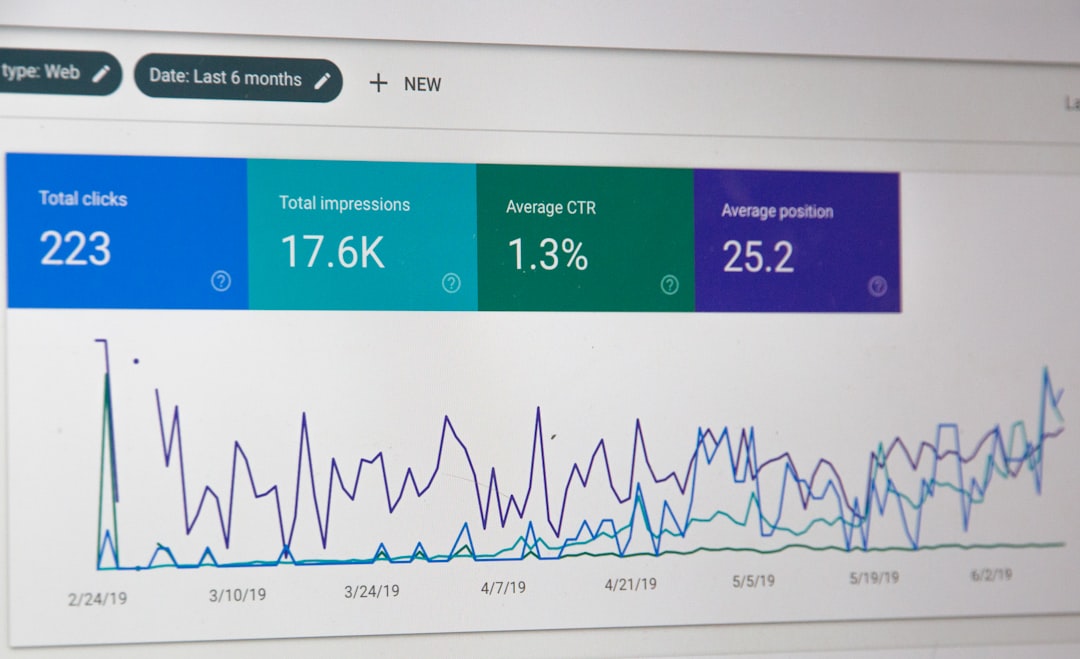
- Click-through rate: How often listings earn clicks from impressions.
- Engagement: Scroll depth, time on page, and next-page clicks.
- Content decay: Pages losing traffic over time.
- Revenue by page type: Blog posts, category pages, comparison pages, and product pages.
This helps teams stop celebrating vanity wins. A 20% traffic increase means little if leads drop. A 7% traffic gain can be excellent if demo requests rise by 25%.
Strengthen Authority With Better Proof
Search engines reward pages that appear useful, credible, and complete. That does not mean every article needs a famous author. It does mean content should show real value.
Stronger proof can include original data, expert commentary, customer examples, clear author credentials, product photos, hands-on testing notes, and transparent methods. Generic content is easy to replace. Specific content is harder to beat.
For review pages, that may mean showing how products were tested. For health or finance content, it may mean expert review. For ecommerce pages, it may mean better product details, customer Q&A, shipping information, and review summaries.
Create an Advanced SEO Workflow
A mature search strategy needs a repeatable workflow. Without one, teams drift back to random keywords and rushed content briefs.
- Audit: Review traffic, rankings, indexing, conversions, and content gaps.
- Segment: Group pages by topic, intent, funnel stage, and business value.
- Prioritize: Choose work based on potential impact, effort, and risk.
- Improve: Update pages, fix technical blockers, and strengthen internal links.
- Publish: Create new content only where gaps are clear.
- Measure: Track movement in rankings, clicks, leads, and revenue.
This process keeps SEO practical. It also makes results easier to explain to executives, clients, and content teams.
FAQ
What makes advanced SEO different from basic keyword optimization?
Basic keyword optimization focuses on placing target terms in titles, headings, and content. Advanced SEO connects intent, site structure, technical health, authority, user experience, and conversion data.
How often should existing content be updated?
High-value pages should be reviewed at least every quarter. Pages with declining traffic, outdated facts, or strong impressions but weak clicks should be updated sooner.
Are keywords still useful in an advanced SEO strategy?
Yes. Keywords still reveal demand and language patterns. The difference is that advanced teams use them within broader topic, intent, and performance models.
What is the fastest advanced SEO win?
Improving pages already ranking on page one or page two is often the fastest win. These pages have existing search signals and may need better titles, fresher content, stronger links, or clearer answers.
Should every site use topic clusters?
Most content-heavy sites benefit from topic clusters. Ecommerce, SaaS, healthcare, education, and finance sites often see stronger results when related pages are grouped and linked with purpose.