
Choose ClickFunnels if you need a full sales funnel system; choose Unbounce if your main goal is to build and test high-converting landing pages. ClickFunnels is better for selling products, building order flows, and managing funnel steps from opt-in to checkout. Unbounce is stronger for paid traffic teams that care about landing page speed, variant testing, and cleaner page-level conversion work.
TLDR: ClickFunnels suits businesses that want an all-in-one funnel builder with checkout pages, upsells, email follow-ups, and course or product delivery. Unbounce is better for teams running ads who need fast landing pages, strong A/B testing, and conversion-focused page tools. For example, a coaching business selling a $497 program may do better with ClickFunnels, while a SaaS team testing three Google Ads landing pages could use Unbounce to lift lead conversion from 4.2% to 5.1% over 30 days. If you already have a CRM, email platform, and checkout tool, Unbounce often feels cleaner.
ClickFunnels vs Unbounce: the core difference
ClickFunnels and Unbounce are often compared, but they solve different problems. ClickFunnels is a funnel platform. It helps you build a sequence: landing page, sales page, order form, upsell, thank-you page, and follow-up. Unbounce is a landing page platform. It helps you create focused pages for campaigns, then test and improve them.
This difference matters. A founder selling digital products may want fewer tools and a single system. ClickFunnels fits that use case. A performance marketer spending $20,000 per month on paid search may care more about page speed, experiment control, and variant data. Unbounce usually fits better there.
The catch is that both tools claim to improve conversions. That is true, but in different ways. ClickFunnels improves conversions by shaping the full sales path. Unbounce improves conversions by refining the page where the click lands.

Funnel builder comparison
ClickFunnels is the stronger funnel builder. This is its main selling point. You can create multi-step funnels with opt-ins, sales pages, checkout pages, one-click upsells, downsells, order bumps, and membership areas. That makes it useful for coaches, course sellers, ecommerce offers, webinar funnels, and high-ticket lead generation.
Its templates are built around common funnel goals. You can start with a webinar funnel, product launch funnel, lead magnet funnel, or tripwire funnel. That saves time if you already understand your offer.
Unbounce can support funnel-like campaigns, but it is not a full funnel builder in the same sense. You can build landing pages, thank-you pages, popups, and sticky bars. You can connect forms to other tools. But checkout flows, upsells, and customer delivery usually require outside software.
If your funnel has several sales steps, ClickFunnels is more practical. If your campaign needs one sharp landing page that sends leads into HubSpot, Salesforce, Mailchimp, or another system, Unbounce may be the better fit.
Landing page features
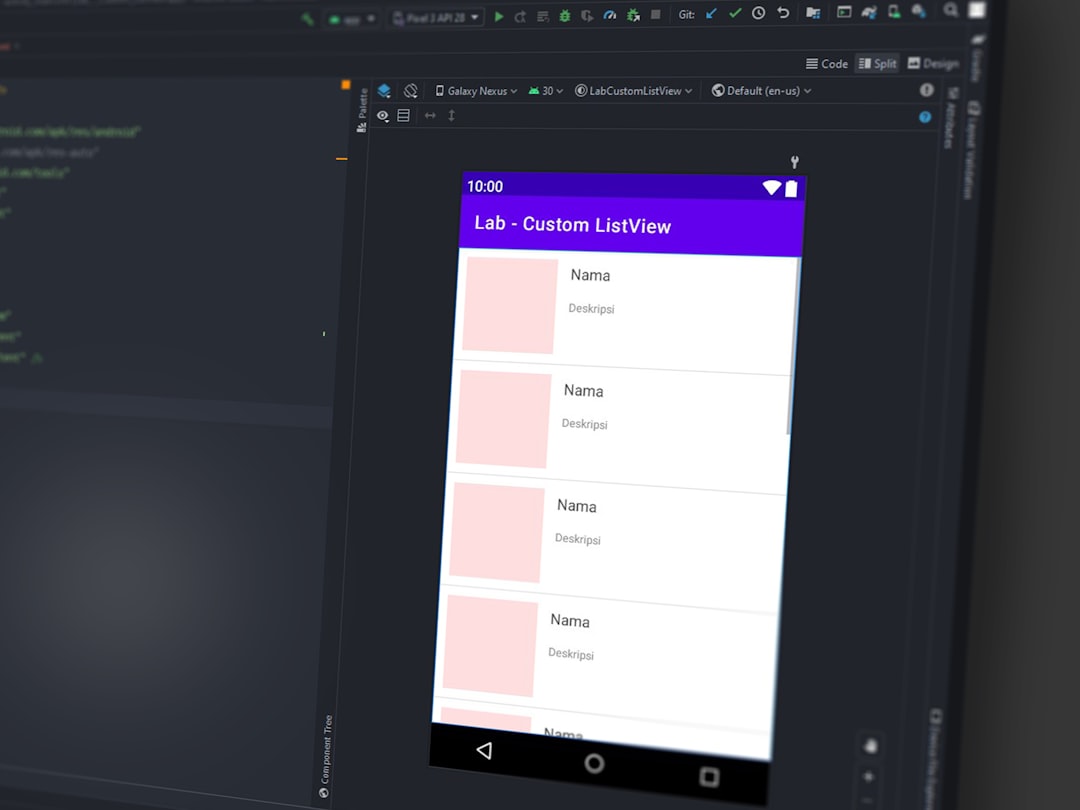
Unbounce has the edge for landing page creation. Its builder is clean, flexible, and made for marketers who want control over page structure. It offers drag-and-drop editing, mobile views, form tools, popups, sticky bars, AI-assisted copy features, and page variants.
Unbounce also focuses heavily on conversion design. You can build pages for paid search, paid social, lead magnets, demos, downloads, waitlists, webinars, and service offers. The platform feels built for campaign teams that publish pages often.
ClickFunnels also has a drag-and-drop page editor. It is easier than building from scratch, and its funnel templates are helpful. Still, page design can feel more boxed in. Honestly, it feels like some edits take longer than they should. Moving sections or cleaning up mobile spacing can add 10 or 15 extra seconds per change, which becomes annoying when polishing a full funnel.
That said, ClickFunnels pages are not weak. They are simply more sales-flow oriented. If your goal is to move someone from pitch to payment, that trade-off can be acceptable.
Conversion tools
ClickFunnels comes with conversion tools for direct response selling. These include order bumps, upsells, downsells, countdown timers, checkout pages, opt-in forms, and follow-up sequences. For businesses selling offers online, these tools are useful because they target revenue per visitor, not only lead volume.
For example, a simple funnel might collect an email, offer a $27 starter product, add a $9 order bump, then present a $197 upsell. Unbounce can send traffic to a page that starts this process, but ClickFunnels can manage the whole path inside one system.
Unbounce focuses on conversion tools for lead capture and campaign improvement. Its popups and sticky bars are useful for promotional messages, newsletter growth, demo requests, and exit offers. Smart Traffic can route visitors to page variants based on conversion patterns, which can help when traffic volume is high enough to produce useful results.
For lead generation, Unbounce feels precise. For selling products through a sequence, ClickFunnels is more complete.
A/B testing
Unbounce is stronger for A/B testing landing pages. Testing is part of its core workflow. You can create variants, split traffic, compare conversion rates, and make decisions based on page performance. This is valuable for ad teams because small gains matter. A lift from 6.0% to 6.6% may not sound huge, but with 10,000 monthly visitors, that is 60 more leads.
ClickFunnels also supports split testing. You can test funnel pages, headlines, layouts, offers, and steps in the sequence. This is useful, especially for direct sales funnels. But its testing tools are not as refined for page-level experimentation as Unbounce.
Expect to waste time on messy tests if you do not set clear goals. Test one major item at a time: headline, offer, hero section, form length, pricing angle, or call to action. If you change five things at once, you may get a winner but still not know why it won.
For serious paid traffic testing, Unbounce is usually the safer choice. For testing sales funnel steps, ClickFunnels still does the job.
Marketing automation and integrations
ClickFunnels includes more built-in sales and marketing workflow features. Depending on the plan and setup, users can manage contacts, email sequences, funnel follow-ups, customer areas, payments, and affiliate programs. This is helpful for small businesses that do not want to stitch together five different tools.
Unbounce relies more on integrations. It connects with popular CRM, email, analytics, and automation platforms. That includes tools used for lead routing, sales follow-up, reporting, and ad tracking. This is not a weakness if your stack is already mature. In fact, many teams prefer it because Unbounce does not try to replace their CRM or email platform.
ClickFunnels can reduce tool sprawl. Unbounce can fit better into an existing marketing stack. That is the practical split.
Ease of use
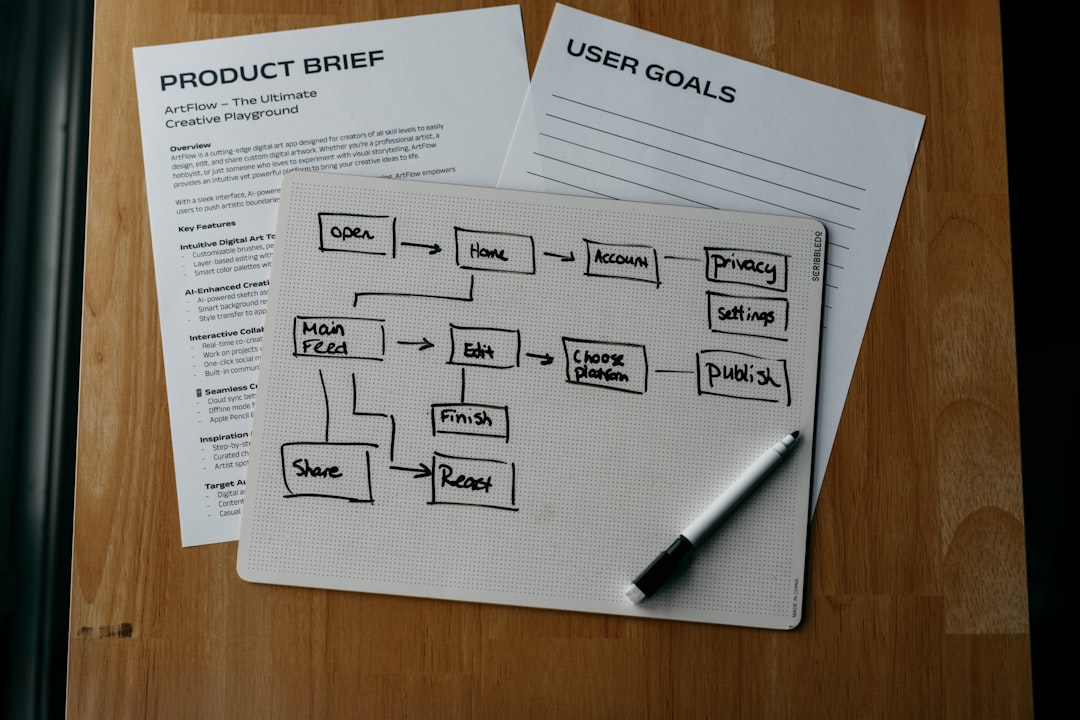
ClickFunnels is easier when you think in funnels. Pick a funnel type, edit the steps, connect payments, and publish. The structure guides you. New sellers often appreciate that.
Unbounce is easier when you think in campaigns. Build a landing page, create variants, connect a form, publish to a domain, and measure results. It is cleaner for teams that run many offers across paid channels.
Neither tool removes the need for strategy. Weak copy, vague offers, and poor traffic targeting will hurt results in both platforms. Software can improve execution. It cannot fix a bad offer.
Pricing and value
Pricing changes, so check each vendor’s current plans before buying. In general, ClickFunnels can justify its cost when it replaces checkout software, funnel tools, course delivery, and some email automation. It is more valuable when you use the full system.
Unbounce is easier to justify when paid traffic is a major channel. If better landing pages reduce cost per lead from $80 to $68, the platform may pay for itself quickly. If you only need one basic page with little traffic, it may feel expensive.
Best fit by business type
- ClickFunnels: best for course creators, coaches, consultants, ecommerce offers, webinar sellers, and businesses that need checkout plus upsells.
- Unbounce: best for PPC teams, SaaS marketers, agencies, B2B lead generation, and campaigns that need frequent landing page tests.
- Use both: sensible when Unbounce handles ad landing pages and ClickFunnels manages the sales funnel after the initial conversion.
Final recommendation
Pick ClickFunnels if revenue depends on a full funnel, not just a landing page. It is the better choice when you need opt-ins, sales pages, checkout, upsells, and follow-up under one roof.
Pick Unbounce if your main problem is converting paid traffic into leads. It gives marketers better landing page control, stronger testing workflows, and cleaner campaign optimization.
The right choice is not about which tool has more features. It is about where your conversion problem sits. If people drop off across a sales sequence, use ClickFunnels. If visitors click your ads but do not fill out the form, use Unbounce.