
Pick Recraft if your business needs clean brand assets, vectors, icons, product mockups, and repeatable visual systems. Pick Krea if your team wants fast image exploration, real-time style play, and creative concept work. Both are strong. They just shine in different parts of the design job.
TLDR: Recraft is better for business-ready graphics, especially logos, icons, packaging concepts, and consistent brand visuals. Krea is better for quick creative testing, moodboards, image styles, and real-time edits. For example, a small ecommerce team could use Recraft to create 40 product ad variations in one afternoon, then use Krea to test 10 visual moods before picking a campaign style. If your team spends 8 hours a week making basic visuals, these tools can cut that by 40% to 70% when used well.
What Is an AI Design Agent?
An AI design agent is more than a cute image generator. It helps with design tasks from prompt to output. You ask for a poster, ad concept, icon set, product scene, mockup, or social campaign. The tool gives you something close to useful.
That “close” part matters. No AI tool is magic. Some outputs still look strange. Hands can be weird. Text can wobble. Layouts can feel like a robot drank three coffees. Still, these tools save serious time.
For businesses, the best AI design agents do four things well:
- Create branded assets that do not look random.
- Speed up drafts for ads, social posts, packaging, and web graphics.
- Support teams with exports, styles, and reusable prompts.
- Reduce design bottlenecks without replacing good taste.
Recraft: Best for Brand Control and Business Assets
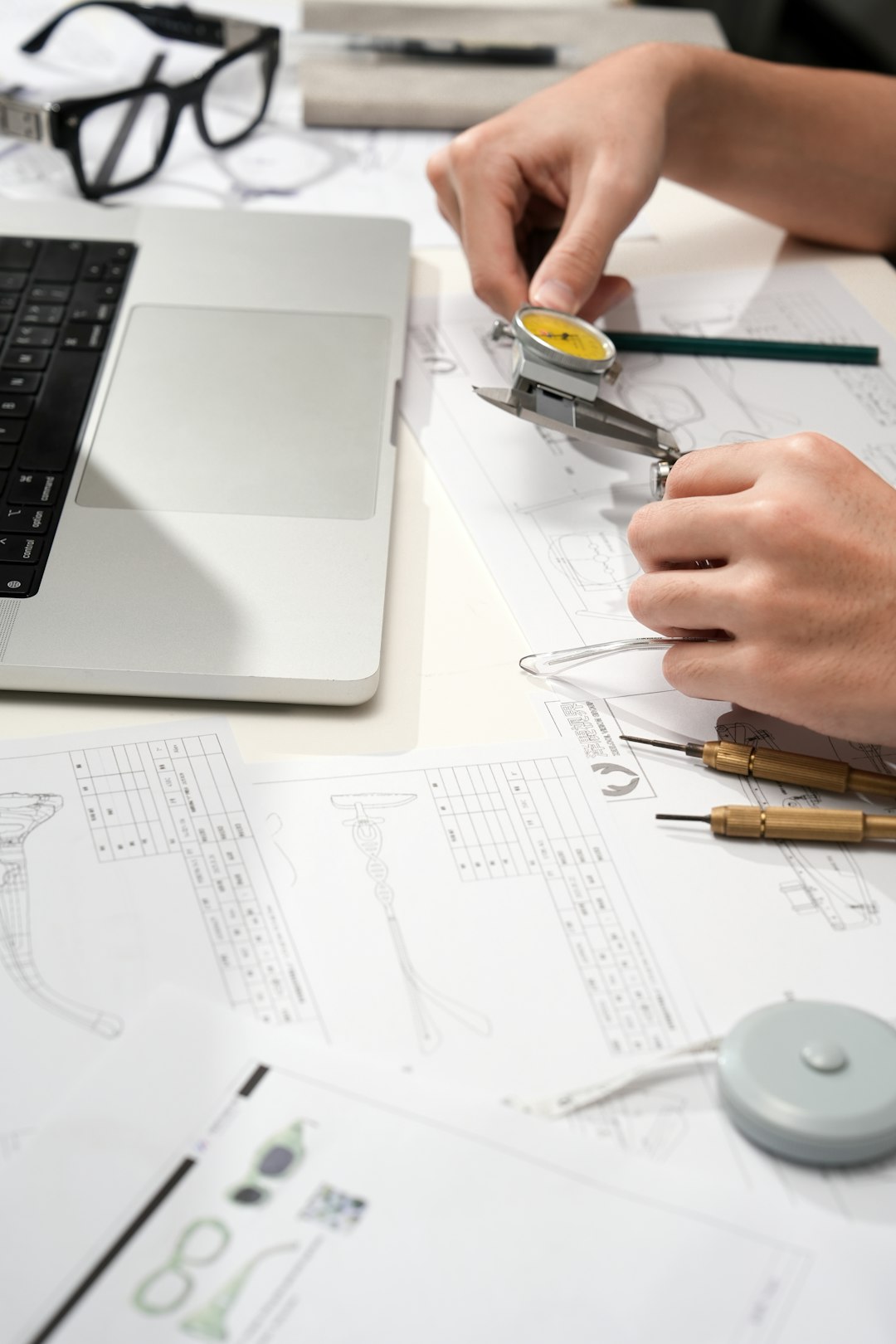
Recraft feels built for people who need design outputs that are neat, usable, and repeatable. It is especially strong with vector-style graphics, icons, illustrations, product visuals, and branded content.
The big win is control. You can create assets that feel like they belong to the same brand family. That matters for companies. A random cool image is nice. A full set of matching visuals is money.
Recraft is also useful when you need clean exports. Think SVG-style graphics, crisp icons, product scenes, and social visuals. It is not just about making something pretty. It is about making something your team can actually use.
Where Recraft Works Best
- Startup branding: logos, icons, mascot ideas, pitch deck graphics.
- Ecommerce: product mockups, seasonal campaign art, ad visuals.
- Agencies: fast first concepts for clients.
- SaaS teams: website illustrations, UI icons, blog graphics.
Honestly, it feels like Recraft was made for the “we need 23 versions by lunch” crowd. It will not save a bad brief. Nothing will. But it gives you a cleaner starting point than many image tools.
What Gets Annoying
Recraft can still need prompt tweaking. Expect to waste time on small fixes like hand shapes, odd shadows, or text placement. Some generations look almost perfect, then one tiny detail ruins the party. Classic AI behavior.
Still, for business graphics, Recraft is one of the best picks.
Krea: Best for Real-Time Creative Exploration
Krea is fun. That is the simplest way to put it. You can test ideas quickly and see visuals change in real time. It is great for moodboards, campaign directions, style testing, and creative play.
Krea shines when you do not know exactly what you want yet. You can push and pull an idea. Try a new style. Add drama. Remove drama. Make it glossy. Make it weird. Make it less weird because your boss got nervous.
It also has strong image enhancement features. If you have rough visuals, Krea can help polish them. This is useful for creators, marketers, and small teams that need better images without opening five different apps.
Where Krea Works Best
- Campaign ideation: test different ad moods fast.
- Content teams: generate bold social visuals.
- Creative directors: explore styles before assigning final work.
- Product teams: make concept art and visual demos.
What Gets Annoying
Krea can feel less structured than Recraft. That is not always bad. But if you need exact brand rules, neat icon sets, or repeatable business assets, you may fight the tool more. It can take 20 extra seconds here, 40 seconds there, and suddenly your “quick test” becomes a tiny rabbit hole.
Krea is best when speed and exploration matter more than precision.
Recraft vs Krea: Simple Business Verdict
| Need | Better Pick | Why |
|---|---|---|
| Brand assets | Recraft | More consistent and business-ready. |
| Creative concepts | Krea | Faster style testing and visual play. |
| Icons and vectors | Recraft | Cleaner for structured graphic work. |
| Moodboards | Krea | Great for exploring many looks. |
| Marketing ads | Both | Use Krea for ideas, Recraft for final assets. |
The smartest workflow is not Recraft or Krea. It is often Recraft and Krea. Use Krea first to find the vibe. Then use Recraft to build cleaner brand pieces from that direction.
Other Emerging AI Design Options
Recraft and Krea are strong. But they are not alone. Several other AI design tools are worth watching.
1. Adobe Firefly
Adobe Firefly is a safe pick for teams already using Adobe apps. It works well with Photoshop, Illustrator, and Express. The best part is trust. Many businesses like Firefly because it is built with commercial use in mind.
Firefly is great for image fills, background changes, text effects, and quick edits. It is less playful than Krea. It is also less focused on vector brand systems than Recraft. But for teams inside Adobe, it fits nicely.
2. Canva Magic Studio
Canva Magic Studio is for teams that need speed and simplicity. It helps create social posts, decks, flyers, ads, and simple brand content. Non-designers can use it without crying into their keyboard.
It is not the deepest tool. But it is easy. That matters. A sales manager can make a decent event graphic in minutes. A founder can build a pitch slide without begging the design team.
3. Ideogram
Ideogram is strong when your image needs readable text. That is a huge deal. Many AI image tools still treat letters like spaghetti. Ideogram does better with posters, shirt designs, signs, and graphic slogans.
Use it for bold visual ideas with words. Check every letter before publishing. Always. AI text can still pull a prank.
4. Midjourney
Midjourney is still excellent for beautiful images. It can create rich campaign art, premium moodboards, fantasy product visuals, and strong editorial concepts. It is less of a business design agent and more of a visual idea machine.
For brands that care about polished art direction, Midjourney is worth testing. For quick brand systems, it may feel slower.
5. Leonardo AI
Leonardo AI is useful for game art, product visuals, character design, and creative assets. It offers many controls and style options. That can be great. It can also feel like too many buttons on a microwave.
If your team likes control and has patience, Leonardo can be powerful.
6. Figma AI and UI Tools
Figma AI and similar UI tools help with product design work. They can create layout ideas, summarize design files, rename layers, and speed up UI tasks. This is less about making shiny images. It is more about helping product teams move faster.

Best Picks by Business Type
- Small ecommerce brand: Recraft, Canva Magic Studio, Ideogram.
- Marketing agency: Krea, Recraft, Midjourney, Firefly.
- SaaS company: Recraft, Figma AI, Firefly.
- Creator business: Krea, Canva Magic Studio, Ideogram.
- Game or entertainment studio: Leonardo AI, Midjourney, Krea.
How to Choose Without Overthinking It
Ask three questions.
- Do we need final business assets? Choose Recraft.
- Do we need to explore visual ideas fast? Choose Krea.
- Do non-designers need to make content? Add Canva Magic Studio or Firefly.
For most businesses, the winning setup is simple. Use Krea for discovery. Use Recraft for branded output. Add Firefly if your team lives in Adobe. Add Canva if your team needs easy daily content.
AI design agents are not replacing taste, strategy, or experienced designers. They are replacing blank-page panic. That alone is worth a lot. The best tool is the one your team will actually use, without turning every design task into a 14-tab circus.