

The best Remote Browser Isolation for Unified SASE in 2025 is the one built into your secure access stack, not bolted on as a slow sidecar. For most enterprises, that means choosing RBI from a strong SASE or SSE platform such as Cloudflare, Zscaler, Netskope, Palo Alto Networks, Menlo Security, or Ericom, then matching it to your risk profile. RBI is strongest for high-risk browsing, unmanaged devices, contractor access, phishing defense, and data loss control. A Secure Web Gateway still matters, but it should not be treated as a full substitute for isolation.
TLDR: In 2025, RBI works best as a selective control inside Unified SASE, while SWG handles broad web filtering, inspection, and policy enforcement. For example, a financial services firm with 4,000 users may isolate only 8% to 15% of sessions, such as uncategorized sites, personal email, and contractor browsing, instead of isolating every page. This can cut web-borne malware exposure without making normal SaaS use feel painfully slow. Choose RBI when the browser is the risk point; choose SWG when policy, classification, and traffic control are the main goals.
What RBI Really Does Inside Unified SASE
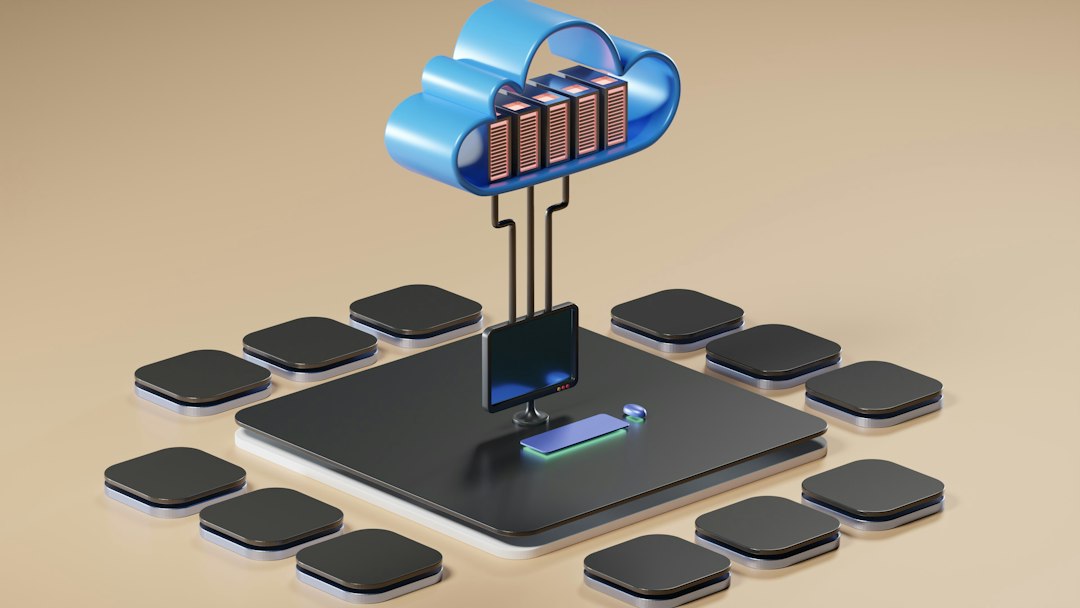
Remote Browser Isolation runs web content away from the endpoint. The user sees a safe rendering of the page, while scripts, downloads, and active content execute in an isolated cloud or remote container. If a malicious site tries to exploit the browser, the attack hits the isolation layer rather than the user’s laptop.
In a Unified SASE model, RBI sits beside SWG, CASB, ZTNA, DLP, DNS security, identity controls, and SD WAN integration. The goal is simple: apply the right security action based on user, device, app, data, and risk.
Good RBI should not feel like punishment. Users should still scroll, type, upload, and copy approved content with minimal delay. The catch is that weak RBI products can add visible lag. Even a two-second delay on common sites gets noticed fast when employees open dozens of pages per hour.
RBI vs SWG: The Practical Difference
A Secure Web Gateway inspects and controls web traffic. It blocks malicious URLs, applies acceptable use policies, scans files, enforces SSL inspection rules, and can stop access to risky categories. SWG is broad and efficient. It is still a core control.
RBI changes the execution model. Instead of asking, “Is this web page safe enough to load locally?” it asks, “Why let this page touch the endpoint at all?” That is a big shift.
- Use SWG for URL filtering, malware blocking, app control, SSL inspection, and web usage policy.
- Use RBI for unknown sites, risky categories, personal webmail, social media, file sharing, admin portals, and contractor sessions.
- Use both when users need access, but the business cannot fully trust the destination.
It drives me crazy that some vendors still sell RBI as a magic shield. It is not. It will not fix weak identity controls, poor patching, sloppy SaaS permissions, or bad endpoint hygiene. But when used well, it reduces one of the most abused attack paths: the browser session.
Best RBI Options for Unified SASE in 2025
The “best” product depends on your architecture. A company already standardized on one SASE provider should usually test that vendor’s RBI first. Integration beats feature sprawl in most real deployments.
1. Cloudflare Browser Isolation
Best for: organizations that want fast isolation tied to Zero Trust access, SWG, DNS filtering, and global edge performance.
Cloudflare’s approach is strong for teams that care about speed and simple policy rollout. It fits well when web, private app, and SaaS access policies need to share one control plane. It is also useful for companies with many branch offices and remote users.
2. Zscaler Browser Isolation
Best for: large enterprises already using Zscaler Internet Access or Zscaler Private Access.
Zscaler offers mature policy depth and broad enterprise adoption. Its RBI fits naturally into high-scale web security programs. Large security teams may value its reporting, user rules, and risk-based workflows.
3. Netskope RBI
Best for: data-centric teams focused on SaaS visibility, CASB, and DLP.
Netskope is often a strong fit where sensitive data movement is the core concern. Pairing RBI with cloud app controls can help reduce risky copy, paste, upload, and download actions.
4. Palo Alto Networks Enterprise Browser and Prisma Access Controls
Best for: organizations invested in Palo Alto security operations, SASE, and threat intelligence.
Palo Alto’s broader platform can appeal to teams that want web isolation, endpoint insights, network security, and SOC workflows tied together. Buyers should test user experience carefully, especially for media-heavy sites and complex internal apps.
5. Menlo Security
Best for: organizations that want isolation-first web security.
Menlo has long focused on browser isolation and secure web access. It is often considered by high-security organizations that want strong protection against phishing, malware, and drive-by attacks.

Secure Access Alternatives to RBI
RBI is not the only answer. In some cases, another control is cleaner, cheaper, or easier for users.
- SWG: Best for standard web control, malware scanning, URL filtering, and acceptable use rules.
- ZTNA: Best for private application access without exposing apps to the public internet.
- CASB: Best for SaaS visibility, risky sharing detection, cloud DLP, and app governance.
- Enterprise browser: Best for managed browsing controls, session governance, and SaaS work inside a dedicated browser.
- VDI or DaaS: Best for full remote desktops, regulated workflows, and legacy app access.
- Endpoint detection and response: Best for post-compromise detection, endpoint telemetry, and response actions.
The right design often combines several. For example, a healthcare provider may use SWG for all users, RBI for personal email and unknown sites, ZTNA for clinical applications, and CASB for Microsoft 365 sharing controls.
When RBI Is Worth the Cost
RBI is most valuable when users must access sites the organization cannot fully trust. It is also useful when endpoints are unmanaged or lightly managed. Contractors, third-party support teams, offshore staff, and bring-your-own-device programs are common examples.
Consider RBI if any of these apply:
- Users often visit uncategorized or newly registered domains.
- Phishing remains a top incident source despite training.
- Employees need personal webmail access from corporate devices.
- Contractors need browser-based access but should not download data.
- The company handles regulated data such as payment, health, legal, or financial records.
- Security teams want to reduce browser exploit risk without blocking too much work.
Expect to waste time on tuning if policies are too broad at launch. Isolating every session sounds clean in a slide deck. In practice, users complain when video calls stutter, complex web apps render oddly, or file handling feels different. Start with risk-based isolation. Expand only after measuring performance and help desk tickets.
How to Evaluate RBI for SASE in 2025
Run a proof of concept with real users, not just security staff. Include finance, HR, engineering, sales, and contractors. Test the sites people actually use.
- Measure latency: Track page load time, typing delay, file preview time, and session startup time.
- Test policy precision: Confirm isolation can trigger by user group, device posture, URL category, risk score, and data type.
- Check DLP controls: Review copy, paste, print, screenshot, upload, and download restrictions.
- Review identity integration: Confirm support for your identity provider, MFA, conditional access, and group mapping.
- Inspect logs: Make sure SOC teams get useful events, not noisy alerts with vague labels.
- Validate app compatibility: Test SaaS admin consoles, CRM, ERP portals, collaboration tools, and file sharing sites.
The 2025 Buying Recommendation
For most organizations, the best path is integrated RBI within a Unified SASE platform. This reduces policy gaps and makes reporting easier. It also keeps users from bouncing between agents, proxies, and portals.
If your SASE vendor has strong RBI, test it first. If it is slow, limited, or awkward, compare a specialist such as Menlo or another isolation-focused provider. Do not buy RBI in isolation unless you have a clear integration plan for identity, SWG, DLP, SIEM, and endpoint controls.
RBI should protect the riskiest browser sessions without breaking normal work. SWG should remain the default web security layer. ZTNA, CASB, enterprise browsers, and endpoint tools should cover the access problems RBI was never meant to solve. That mix gives security teams tighter control while keeping users productive enough to accept it.