
A digital brand audit tells you how your brand looks, sounds, ranks, and feels online. Brandwatch is better for what people say about you. Semrush is better for how people find you. Use both if you want the full picture without guessing.
TLDR: A brand audit is a health check for your online brand. Brandwatch tracks mentions, sentiment, trends, and audience talk. Semrush checks SEO, traffic, keywords, backlinks, and content gaps. Example: a coffee brand might find 72% positive sentiment in Brandwatch, but Semrush could show its top rival gets 38% more organic traffic from “cold brew beans.”
What Is a Brand Audit?
A brand audit is a simple review of your brand’s performance. It checks how people see you. It also checks how easy you are to find.
Think of it like a wardrobe check before a big party. You look in the mirror. You fix the weird collar. You remove the salsa stain. Then you ask, “Do I look trustworthy?”
A digital brand audit does this online. It reviews things like:
- Search visibility: Do people find you on Google?
- Social mentions: Are people talking about you?
- Sentiment: Do they sound happy, bored, or furious?
- Website health: Is your site fast and clear?
- Content quality: Are your blogs, pages, and posts useful?
- Competitors: Are they eating your lunch?
That last one stings. But it matters.
Brandwatch vs Semrush: The Simple Version
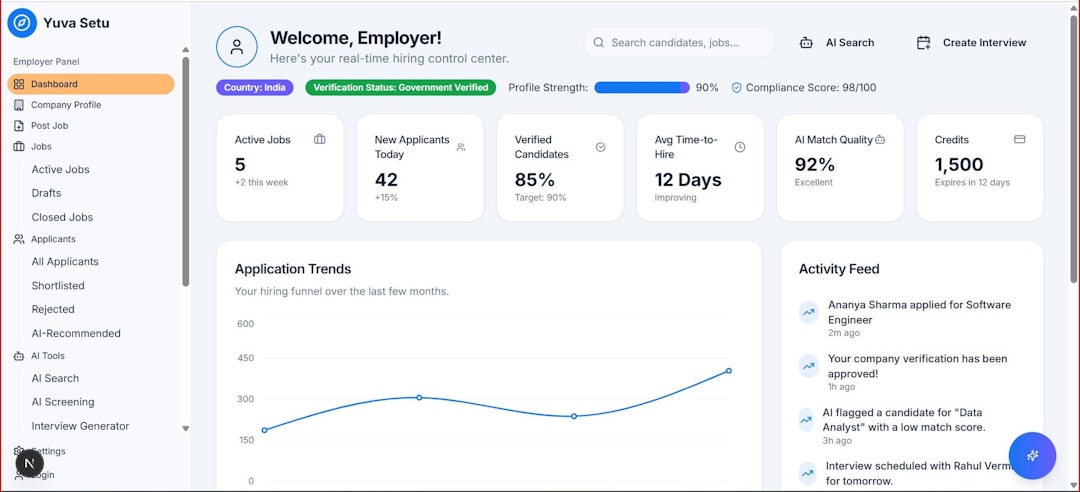
Brandwatch is like a giant ear. It listens to online conversations. It tracks brand mentions across social media, forums, blogs, news, and review sites.
Semrush is like a search engine mechanic. It checks how your website performs in search. It finds keyword gaps, backlink issues, traffic trends, and competitor rankings.
So the big difference is easy:
- Brandwatch answers: “What are people saying about us?”
- Semrush answers: “Can people find us online?”
Both questions matter. One is about reputation. The other is about visibility.
What Brandwatch Does Best
Brandwatch shines when you need to understand public opinion. It is great for brands that care about social buzz, customer mood, and reputation risk.
You can track:
- Brand mentions over time
- Positive, neutral, and negative sentiment
- Share of voice against competitors
- Trending topics linked to your brand
- Influencers and active communities
- Customer complaints before they explode
Here is a simple case. A snack company launches a new protein bar. Brandwatch shows 9,400 mentions in 30 days. Nice. But 31% are negative. Ouch. People keep saying it tastes “chalky.” That is useful. Painful, yes. Useful, also yes.
Honestly, it feels like some social listening dashboards enjoy making you add one more filter than you expected. In Brandwatch, setting up a clean query can take time. A messy query can fill your report with junk. Suddenly, your “brand mentions” include a band name, a movie title, and someone’s dog.
Still, once set up well, Brandwatch is powerful. It helps you spot tone, mood, and cultural signals. Semrush does not do that at the same depth.
What Semrush Does Best
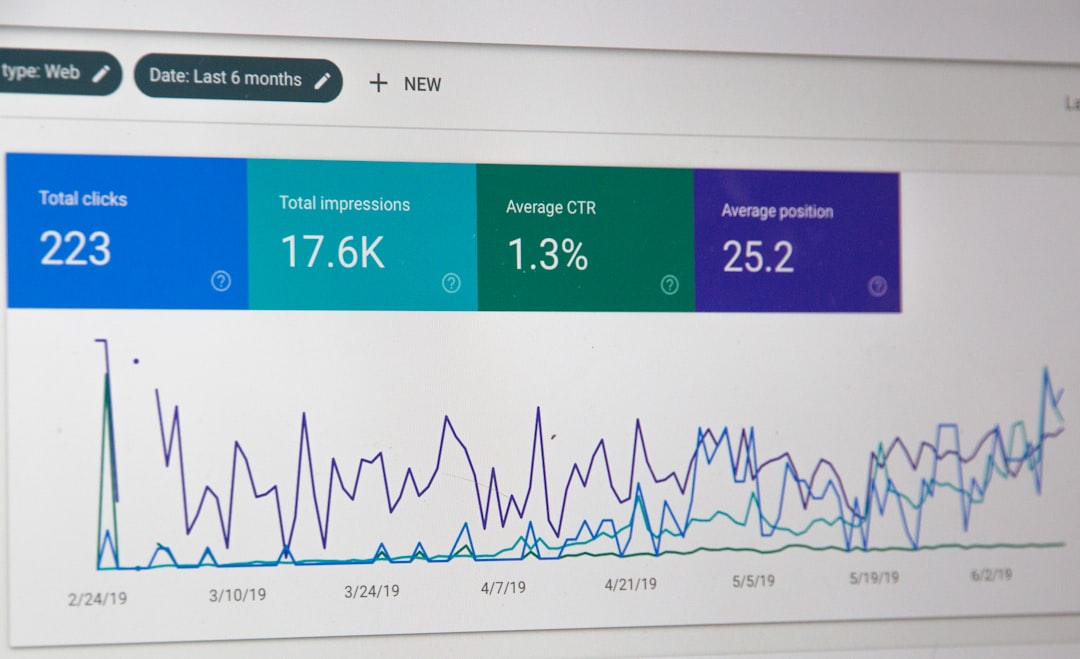
Semrush is strongest when your brand audit needs hard search data. It tells you why your website is seen, skipped, or buried on page six. Page six is where hope goes to nap.
Semrush can check:
- Keyword rankings
- Organic traffic estimates
- Paid search activity
- Backlink quality
- Technical SEO issues
- Competitor keyword gaps
- Content topics you are missing
Example time. A small fitness studio ranks for 120 keywords. Its local rival ranks for 460. Semrush shows the rival gets traffic from “beginner pilates class,” “low impact workout,” and “pilates for back pain.” The studio has no pages for those terms. That is not mystery. That is missed traffic with a name tag.
Expect to waste time on reports if you do not pick your goal first. Semrush has a lot of tools. Site Audit. Position Tracking. Keyword Gap. Backlink Audit. Traffic Analytics. Content tools. It can feel like opening a toolbox and dropping every wrench on the floor.
But if you know what you want, Semrush is clean and practical. It is brilliant for fixing findability.
Quick Comparison Table
| Feature | Brandwatch | Semrush |
|---|---|---|
| Main strength | Social listening and sentiment | SEO and website visibility |
| Best for | Reputation, PR, audience research | Search rankings, traffic, content planning |
| Competitor tracking | Share of voice and public talk | Keyword gaps and traffic gaps |
| Weak spot | Query setup can be fussy | Too many tools can distract users |
| Best question | “Do people like us?” | “Can people find us?” |
What Should a Digital Brand Audit Include?
A good audit should not become a 90-page monster that nobody reads. Keep it clear. Keep it useful. Keep the drama for your group chat.
Your audit should include these parts:
- Brand visibility: Check branded and non-branded search rankings.
- Website performance: Review speed, errors, structure, and mobile usability.
- Content review: Find weak pages, strong pages, and missing topics.
- Backlink review: Check which sites link to you and your rivals.
- Social conversation: Track mentions, themes, and audience mood.
- Sentiment: Measure positive, neutral, and negative reactions.
- Competitor comparison: Compare traffic, rankings, mentions, and tone.
- Action plan: Pick the top fixes. Do not list 200 tasks.
Brandwatch handles items 5 and 6 best. It also helps with competitor conversation. Semrush handles items 1 through 4 best. It also helps with content and search rivals.
When to Choose Brandwatch
Choose Brandwatch if your main problem sounds like this:
- “People are talking about us, but we do not know what they mean.”
- “We need to track a campaign launch.”
- “A complaint is spreading online.”
- “We want to compare our buzz against a rival.”
- “We need audience insights for product or messaging ideas.”
Brandwatch is especially useful for consumer brands. Think fashion, food, beauty, gaming, travel, entertainment, and tech products. If people post opinions about you often, Brandwatch can turn that noise into patterns.
When to Choose Semrush
Choose Semrush if your main issue is search visibility. It is the better pick when traffic matters most.
Use Semrush when you ask:
- “Why is our competitor ranking above us?”
- “Which keywords are we missing?”
- “Is our site broken in ways Google dislikes?”
- “Which pages bring traffic?”
- “Are our backlinks helping or hurting?”
Semrush is great for SaaS, ecommerce, local businesses, agencies, publishers, and service brands. If Google is a major traffic source, Semrush belongs in the audit.
The Best Answer: Use Both If You Can
Brandwatch and Semrush do not replace each other. They answer different parts of the same brand puzzle.
Say a skincare brand has strong search traffic. Semrush shows 85,000 monthly organic visits. Great. But Brandwatch shows negative sentiment rising from 12% to 26% after a formula change. That is a warning. Traffic looks fine, but trust is cracking.
Now flip it. Brandwatch shows fans love the brand. Sentiment is 81% positive. Nice. But Semrush shows the brand ranks below competitors for the top 20 product terms. People like the brand, yet new buyers cannot find it. That is a growth problem.
This is why a real digital brand audit needs both market perception and search performance.
Simple Final Pick
- Pick Brandwatch for reputation, sentiment, social listening, and PR risk.
- Pick Semrush for SEO, keywords, website health, and competitor traffic.
- Pick both for a full digital brand audit that covers trust and visibility.
A brand audit is not about making a fancy report. It is about finding what is working, what is weird, and what is quietly costing you money. Brandwatch tells you what people feel. Semrush tells you what search engines see. Together, they give your brand a much better mirror.