
The smartest setup is to use one AI visibility tool, one classic brand monitoring tool, and one SEO platform. Search is no longer only Google links. Gartner has predicted that search engine volume will drop by 25% by 2026 as people use AI chatbots and virtual agents more often [source: Gartner]. That means a brand can look fine in search results while AI tools describe it poorly, skip it, or cite a rival instead.
TLDR: Brands should track reputation across Google, review sites, news, social media, ChatGPT, Perplexity, Gemini, and AI Overviews. A simple stack might include Profound for AI answers, Brand24 for online mentions, and Semrush for search visibility. For example, if a SaaS company checks 100 buyer prompts and appears in only 18 of them, it has a clear AI visibility gap. If negative mentions rise by 30% in the same week, the PR team knows where to act first.

1. Profound
Profound is built for brands that care about how they appear inside AI answers. It tracks visibility across platforms such as ChatGPT, Perplexity, Gemini, and AI search results. Teams can see which sources AI tools cite, which competitors appear more often, and which prompts trigger weak brand coverage.
Best for: larger brands, PR teams, and SEO teams that need AI answer tracking at scale.
Annoyance: setup can feel heavier than basic mention tools. Users may need time to build the right prompt sets.
2. Peec AI
Peec AI helps brands measure how often they show up in AI-generated answers. It is useful for tracking prompts tied to buying intent, category searches, and competitor comparisons. A team can see whether AI tools recommend the brand, ignore it, or frame it in a bad way.
Best for: marketing teams that want a clear view of AI search share.
Why it stands out: it focuses on prompt-level tracking, which makes the data easier to act on. If “best CRM for startups” keeps naming three rivals, the content team has a target.
3. Scrunch AI
Scrunch AI focuses on how AI systems understand a brand. It can help teams spot missing facts, weak entity signals, and source problems that affect AI answers. This matters because AI tools often pull from public pages, review sites, articles, and third-party profiles.
Best for: teams that want to fix how AI sees the brand, not just watch mentions.
Watch for: some advice may require SEO, content, and PR teams to work together. Honestly, that can slow things down when everyone owns a different piece of the fix.
4. Otterly.AI
Otterly.AI is a lighter AI search monitoring tool. It tracks brand mentions and visibility in AI answers across common prompts. It is a good fit for teams that want to start monitoring AI platforms without buying a large enterprise system.
Best for: small and mid-sized companies testing AI reputation tracking.
Useful feature: recurring checks. These help teams see whether new content, PR wins, or review changes improve AI visibility over time.
5. Brand24
Brand24 tracks online mentions across news, blogs, forums, podcasts, reviews, videos, and social platforms. It is strong for sentiment, reach, and alerting. If a negative post starts spreading, teams can react before it turns into a bigger issue.
Best for: real-time reputation monitoring and social listening.
Why brands use it: it gives quick alerts and simple sentiment views. That helps PR teams sort noise from real risk. It drives teams nuts when tools surface 500 mentions with no clear priority. Brand24 does a decent job of showing what needs attention first.
6. Semrush
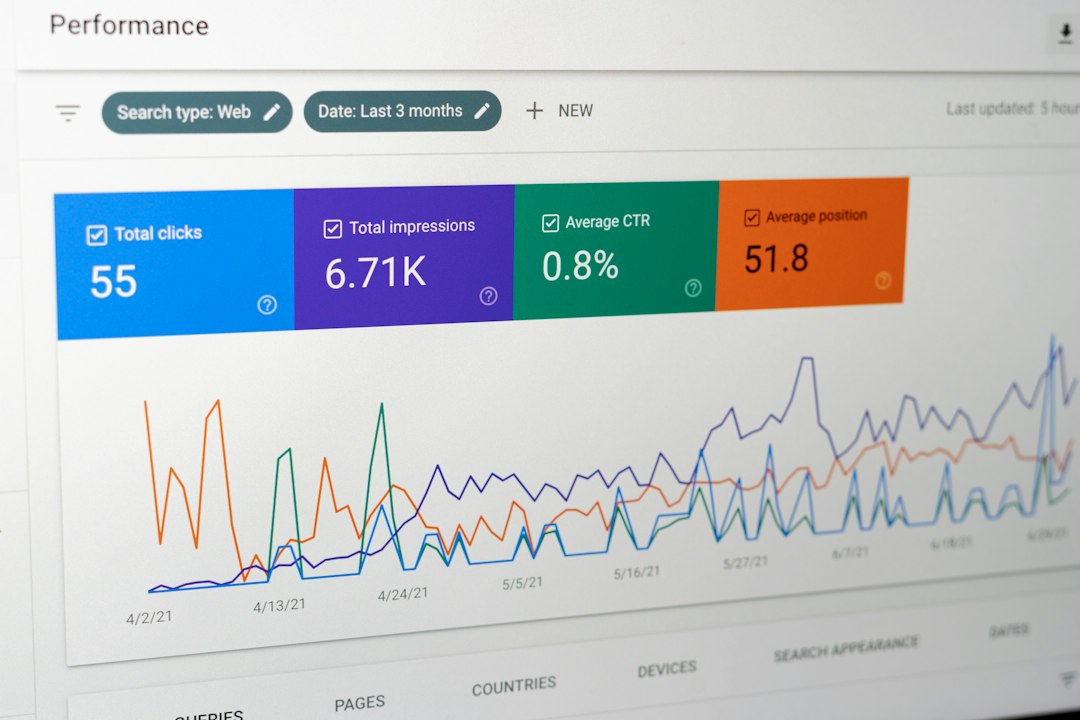
Semrush is not only a keyword tool. It can help brands track search rankings, branded keywords, backlinks, competitor visibility, and brand mentions. This is useful because AI answers often depend on the same public signals that influence search trust.
Best for: SEO teams that want reputation data tied to search performance.
Good use case: a brand can track whether negative review pages rank for its name. It can also see whether positive owned pages, comparison pages, or press mentions are gaining ground.
7. Meltwater
Meltwater is an enterprise media intelligence platform. It tracks news, social conversations, broadcast, podcasts, and online coverage. It is often used by PR, communications, and executive reputation teams.
Best for: large brands, agencies, and companies with high public exposure.
Why it matters: AI tools often reflect what trusted media and public sources say. If a crisis dominates news coverage, AI answers may repeat that framing. Meltwater helps teams see the larger media picture before it becomes the default story.
How to Choose the Right Tool
- For AI answer tracking: choose Profound, Peec AI, Scrunch AI, or Otterly.AI.
- For social and web mentions: choose Brand24 or Meltwater.
- For Google search reputation: choose Semrush.
- For crisis alerts: pick a tool with fast notifications and sentiment spikes.
- For content fixes: use tools that show cited sources, prompt gaps, and competitor mentions.
The best results come from combining data. AI monitoring shows what chatbots say. Search tools show what ranks. Mention tools show what people say. Together, they give a cleaner view of brand reputation.

FAQ
What is AI brand monitoring?
AI brand monitoring tracks how a company appears in AI-generated answers. This includes mentions, sentiment, cited sources, competitor comparisons, and missing facts.
Why should brands monitor AI platforms?
Buyers now ask AI tools for product advice, reviews, and vendor lists. If a brand is missing or shown poorly, it can lose leads before a user visits its website.
Which tool is best for tracking ChatGPT and Perplexity?
Profound, Peec AI, Scrunch AI, and Otterly.AI are strong options for AI answer tracking.
Can traditional brand monitoring tools track AI reputation?
Only partly. Tools like Brand24 and Meltwater track public mentions that may shape AI answers. They usually do not give full prompt-level AI visibility.
How often should a brand check AI results?
Weekly checks are enough for most brands. High-risk brands, public companies, and crisis-prone sectors may need daily monitoring.