
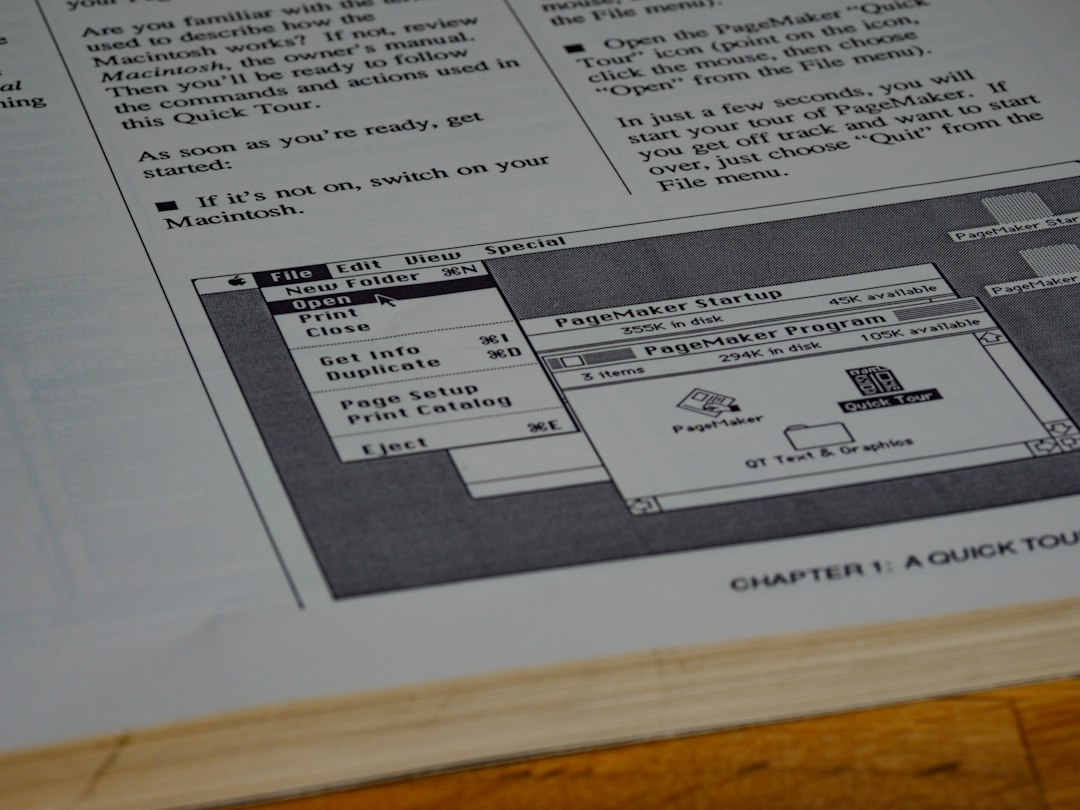
Oxygen XML Author, Adobe FrameMaker, XMetaL Author, and Paligo are the strongest Arbortext alternatives for teams that need structured XML authoring, DITA support, content reuse, and reliable publishing. Arbortext is powerful, but some teams want a friendlier writing interface, faster setup, cloud review, or lower admin effort. DITA remains a common standard for modular technical content, especially when teams publish to web, PDF, help systems, and portals from the same source files [source: OASIS].
TLDR: If your team finds Arbortext too heavy, start with Oxygen XML Author for broad XML control or Paligo for a smoother cloud setup. For example, a 12-writer product documentation team with 2,000 reusable topics may cut duplicate writing by 20–35% when moving from document-based workflows to structured topic reuse. FrameMaker fits teams that still need deep PDF publishing, while XMetaL suits large DITA teams that want a familiar desktop authoring tool.
Why teams look for Arbortext alternatives
Arbortext has a long history in regulated and industrial publishing. It is used in aerospace, manufacturing, medical devices, and automotive documentation. That said, it can feel rigid. Setup is not always quick. Customization may need specialists. And honestly, it feels like a tool that rewards patience more than curiosity.
Modern documentation teams often need:
- DITA or custom XML support without painful setup.
- Content reuse across manuals, release notes, portals, and service docs.
- Review workflows that do not depend on emailing files around.
- Multi-format publishing to HTML, PDF, EPUB, help, and knowledge bases.
- Translation support with clean topic structure and version control.
1. Oxygen XML Author
Best for: teams that want deep XML control with strong DITA support.
Oxygen XML Author is one of the most respected tools in structured authoring. It supports DITA, DocBook, TEI, XHTML, and custom XML frameworks. Writers can work in a visual editor instead of staring at raw tags all day. Developers can still open the source view when needed.
The tool is flexible. That is both good and annoying. You can shape it around your workflow, but expect to spend time learning profiles, frameworks, validation rules, and publishing pipelines. Still, for XML-heavy teams, that control is a big win.
Key strengths:
- Strong DITA and XML validation.
- Visual editing plus source editing.
- Good integration with Git, SVN, and content systems.
- Useful review features through Oxygen Content Fusion.
- Reliable PDF and web output through DITA Open Toolkit.
Pick Oxygen if your team has technical writers who are comfortable with structure and wants a tool that will not box them in.
2. Adobe FrameMaker
Best for: teams that need structured authoring plus polished long-form publishing.
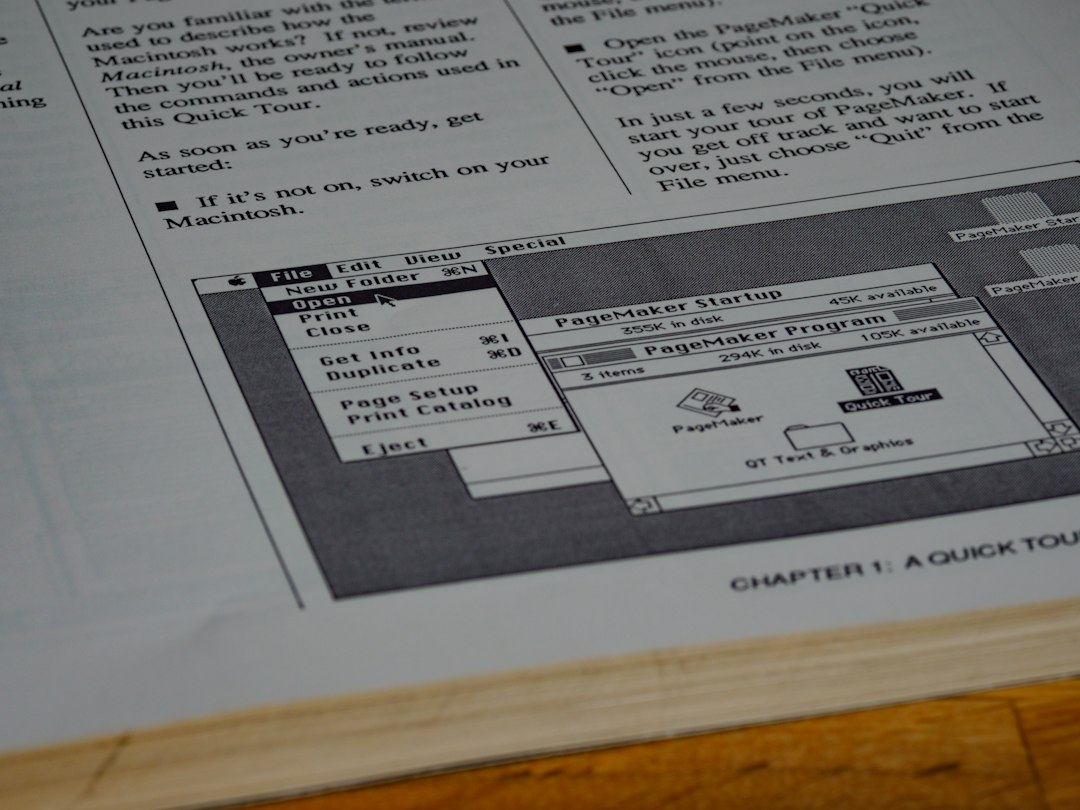
Adobe FrameMaker has been around for decades, and that age shows in both good and bad ways. It is powerful for long technical manuals, service guides, and printed documentation. It also supports structured FrameMaker, DITA, XML, and rich PDF output.
The interface can feel busy. Some actions take more clicks than they should. It drives me crazy that simple formatting checks can feel slower than expected when a document is packed with conditions and variables. But for companies that care about print-quality output, FrameMaker still earns its place.
Key strengths:
- Excellent PDF publishing control.
- Support for DITA and structured authoring.
- Good handling of long documents.
- Conditional text for product variants.
- Integration with Adobe Experience Manager Guides.
Adobe positions FrameMaker as a tool for intelligent content and XML/DITA publishing [source: Adobe].
3. XMetaL Author Enterprise
Best for: enterprise DITA teams that want a mature desktop XML editor.
XMetaL Author Enterprise is another classic Arbortext alternative. It is built for structured XML editing and has strong DITA support. Many companies use it where writers need guided authoring, templates, validation, and connection to a content management system.
Its main appeal is stability. Writers get a controlled authoring space, and admins can set rules that keep content clean. The downside is that it can feel dated compared with newer web-based tools. If your team wants comments, assignments, and browser-based review, you may need extra systems around it.
Key strengths:
- Strong DITA topic and map editing.
- Good support for enterprise CMS workflows.
- Customizable authoring rules and templates.
- Useful for regulated documentation.
- Desktop-based control for large documentation teams.
Pick XMetaL if you want a close Arbortext-style replacement, but with a different editing experience and strong DITA roots.
4. Paligo
Best for: teams that want cloud-based structured authoring without managing XML files by hand.
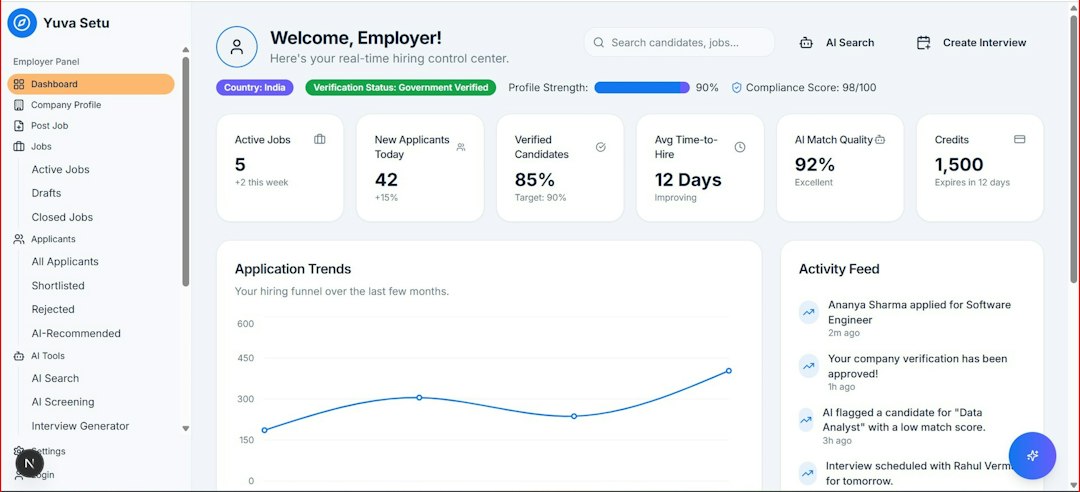
Paligo is different from the others. It uses structured content based on XML principles, but it hides much of the raw XML work from writers. That makes it easier for teams moving from Word, Google Docs, or unstructured help authoring.
Its biggest win is the full workflow. You get authoring, reuse, review, translation support, branching, publishing, and user permissions in one browser-based system. That can save a lot of admin time. The tradeoff is control. If you want to tune every XML rule yourself, Paligo may feel too closed.
Key strengths:
- Cloud authoring with no desktop install.
- Topic reuse and variable content.
- Built-in review and collaboration.
- Multi-channel publishing.
- Translation and version support.
How to choose the right Arbortext alternative
Choose based on your team’s daily pain, not a feature grid alone.
- Choose Oxygen XML Author if you need maximum XML flexibility and strong DITA tooling.
- Choose Adobe FrameMaker if your manuals need high-quality PDF output and print control.
- Choose XMetaL Author if your enterprise team wants a controlled desktop DITA editor.
- Choose Paligo if you want structured authoring in the cloud with less XML handling.
Before you switch, test one real project. Use 50 to 100 topics. Include reused warnings, product variants, review comments, and a PDF build. A demo sample will not show the real pain. A messy pilot will.
The practical answer: Oxygen is the safest technical replacement, FrameMaker is best for PDF-heavy publishing, XMetaL fits traditional enterprise DITA teams, and Paligo is the easiest path for teams that want structure without babysitting XML files.