
The best MRP software is the one that gives purchasing, production, and inventory teams one reliable plan instead of seven competing spreadsheets. Material requirements planning helps manufacturers calculate what to buy, how much to make, and when work should start; IBM describes MRP as a system for planning materials, production, and inventory based on demand [source: IBM].
TLDR: For small manufacturers, MRPeasy and Katana are often the quickest to adopt. For growing firms with accounting, warehouses, and multi-site production, NetSuite, Odoo, Acumatica, or Epicor Kinetic usually make more sense. A maker producing 5,000 units per month could cut emergency purchases by 15% to 25% if reorder points, bills of materials, and lead times are kept clean. The software will not fix bad data, but it will expose it fast.
What to look for in MRP software
A good MRP platform should do more than print a shopping list. It should connect demand forecasts, bills of materials, purchase orders, stock levels, routing, and production schedules. If it cannot show shortages before the production meeting, expect trouble.
- Bill of materials control: versions, substitutions, scrap, and approved changes.
- Inventory accuracy: real-time stock by warehouse, bin, or work cell.
- Planning logic: lead times, safety stock, reorder points, and lot sizes.
- Shop floor visibility: work orders, capacity, labor, and downtime.
- Accounting fit: costing, purchasing, invoicing, and financial reporting.
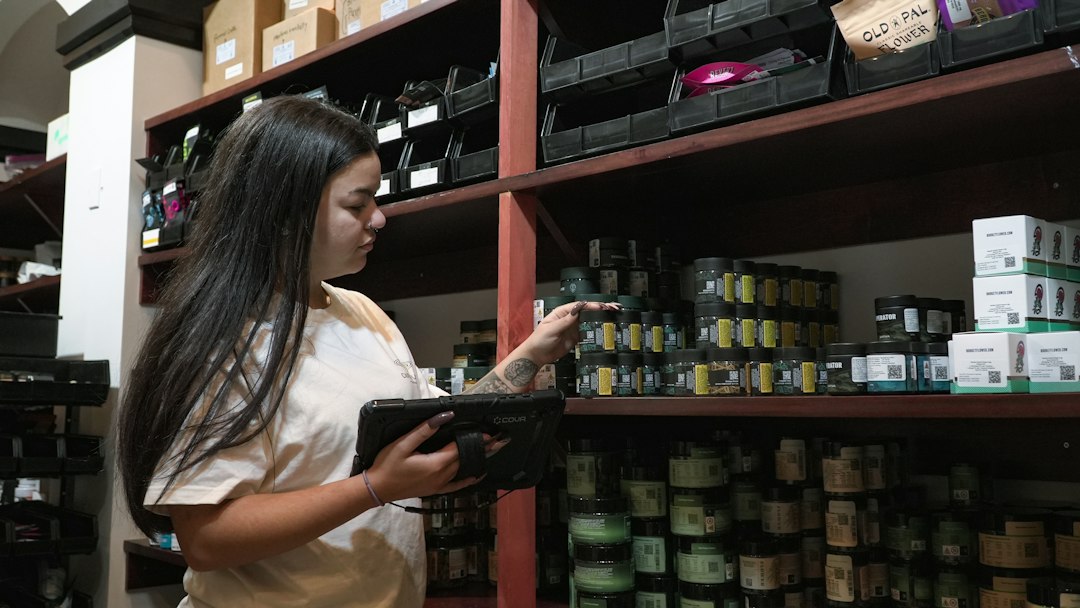
7 MRP platforms for manufacturers
1. MRPeasy
MRPeasy is a practical choice for small and midsize manufacturers that need MRP without a massive ERP rollout. It supports production planning, purchasing, inventory, CRM, and basic accounting links. The interface is plain, which is not a bad thing. Teams can usually understand the flow without weeks of training.
Best for: small manufacturers moving away from spreadsheets. Watch out for: advanced customization limits. If your routing logic is unusual, you may hit walls.
2. Katana Cloud Inventory
Katana suits manufacturers that sell through ecommerce, wholesale, or direct channels. It is strong for visual production planning, stock tracking, and order management. It works well for food, cosmetics, apparel, furniture, and assembled goods.
The catch is that simple screens can hide complex decisions. If your team needs deep costing or heavy compliance records, check the details before signing.
Best for: modern small manufacturers with online sales. Watch out for: complex factory setups with many routing steps.
3. Fishbowl Inventory
Fishbowl is popular with companies that use QuickBooks and need stronger inventory and manufacturing tools. It covers work orders, barcode scanning, lot tracking, purchasing, and warehouse control. For many firms, it fills the gap between basic accounting software and a full ERP system.
Best for: QuickBooks-centered manufacturers and distributors. Watch out for: setup discipline. Bad item naming and messy units of measure will cause headaches.
4. NetSuite ERP
NetSuite is a broader ERP platform with manufacturing, inventory, purchasing, financials, CRM, and reporting in one system. It is a serious option for firms that are outgrowing disconnected tools. It is especially useful when management needs one view of demand, cash, stock, and orders.
Honestly, it feels like overkill for a very small shop. For a growing manufacturer with multiple entities or warehouses, that extra structure can be worth it.
Best for: scaling manufacturers that need finance and operations in one system. Watch out for: project cost and implementation time.
5. Odoo Manufacturing
Odoo Manufacturing is modular. Companies can start with inventory, manufacturing, purchasing, and accounting, then add quality, maintenance, PLM, or sales apps. This makes it flexible for firms that want one platform but do not want to buy every module on day one.
Best for: manufacturers that want strong flexibility and modular growth. Watch out for: configuration work. The system can do a lot, but someone must make the right choices.
6. Acumatica Manufacturing Edition
Acumatica offers manufacturing management inside a cloud ERP system. It supports bills of materials, production orders, estimating, material planning, and job costing. It also has solid financial and distribution features, which helps mixed companies that both make and sell products.
Best for: midsize firms that need manufacturing, distribution, and accounting together. Watch out for: partner selection. The implementation team matters a lot.
7. Epicor Kinetic
Epicor Kinetic is built for manufacturers with more complex operations. It supports production planning, scheduling, supply chain, quality, product configuration, and shop floor execution. It is often a fit for industrial, make-to-order, and engineered products.
Best for: established manufacturers with serious production complexity. Watch out for: rollout effort. Expect process review, data cleanup, and training before results show.
How to choose the right system
Start with the pain, not the software demo. If late materials are stopping production twice a week, focus on planning accuracy and supplier lead times. If finished goods are piling up, examine demand planning and work order release rules. If margins are unclear, costing should move to the top of the list.
Ask vendors to run a real scenario. Use one of your own products. Include a multi-level bill of materials, a late supplier shipment, a rush order, and a stock shortage. A polished demo means little if the system cannot handle your normal mess.
- For under 50 staff: review MRPeasy, Katana, or Fishbowl first.
- For finance-heavy growth: review NetSuite, Odoo, or Acumatica.
- For complex production: review Epicor Kinetic closely.
Final advice: do not buy MRP software until your item masters, bills of materials, and lead times are reviewed. The platform can calculate fast. It cannot guess the truth. Clean data, clear owners, and steady training will decide whether the system becomes a useful planning tool or just another expensive screen.