

When an organization grows beyond a small team, informal updates are no longer enough to keep everyone aligned. An all-hands meeting gives leadership, managers, and employees a shared space to review priorities, celebrate progress, discuss challenges, and reinforce company culture. When planned well, it becomes more than a status update; it becomes a rhythm for transparency, trust, and momentum.
TLDR: An all-hands meeting is a company-wide gathering designed to align employees around goals, progress, decisions, and culture. A strong agenda usually includes business updates, team highlights, recognition, and Q&A. For example, a 120-person SaaS company might reduce repeated internal questions by 30% after introducing a monthly all-hands with a structured Q&A section. The best meetings are concise, interactive, and focused on information that matters to everyone.
What Is an All-Hands Meeting?
An all-hands meeting is a recurring meeting where everyone in the organization, or a major division, is invited to attend. The term comes from the phrase “all hands on deck,” meaning that everyone is needed and involved. These meetings are often hosted by executives or senior leaders, but they may include presentations from department heads, project owners, employees, or guest speakers.
The purpose is not simply to broadcast information. A well-run all-hands meeting helps employees understand where the company is going, how current work supports that direction, and what decisions or changes affect them. It can also strengthen belonging by giving teams visibility into wins, lessons, and people across the organization.
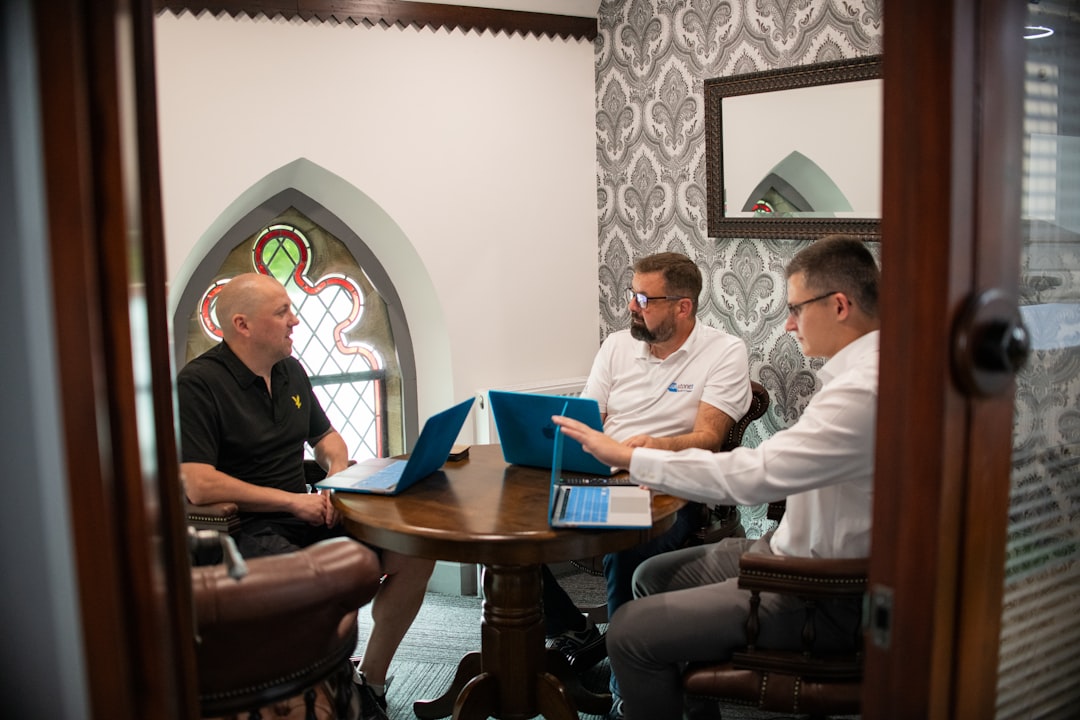
Common Goals of an All-Hands Meeting
Although each organization may shape the format differently, most all-hands meetings share several goals:
- Strategic alignment: Leadership explains priorities, milestones, and business direction.
- Transparency: Employees receive updates on performance, market conditions, hiring, or operational changes.
- Recognition: Teams and individuals are acknowledged for strong work, innovation, or collaboration.
- Cross-functional awareness: Departments learn what others are building, solving, or improving.
- Employee engagement: Q&A, polls, and discussion create opportunities for participation.
For distributed and hybrid companies, all-hands meetings are especially valuable because they create a shared communication moment. However, they must be designed carefully so remote employees do not feel like passive viewers.
Simple All-Hands Meeting Agenda Template
A clear agenda keeps the meeting focused and prevents it from turning into a long, unfocused presentation. A typical 45-minute agenda may look like this:
- Opening and welcome: 3 minutes
- Company performance update: 8 minutes
- Strategic priorities or leadership message: 10 minutes
- Department or project highlights: 10 minutes
- Employee recognition: 5 minutes
- Live Q&A: 8 minutes
- Closing notes and next steps: 1 minute
This format works well for monthly updates. For larger organizations, leaders may extend the meeting to 60 minutes, but the agenda should still be disciplined. If every department wants time to present, the host should rotate speakers from meeting to meeting rather than overcrowding one session.
Quarterly All-Hands Agenda Template
Quarterly all-hands meetings usually require more depth because they review broader performance and future plans. A 60-minute quarterly agenda might include:
- CEO or executive opening: Key themes from the quarter.
- Results review: Revenue, customer metrics, product delivery, operational performance, or other relevant indicators.
- Lessons learned: What worked, what did not, and what will change.
- Next-quarter priorities: The top goals employees should understand.
- Team spotlights: Short examples of cross-functional wins.
- Recognition and culture moment: Awards, anniversaries, or value-based examples.
- Q&A: Pre-submitted and live questions.
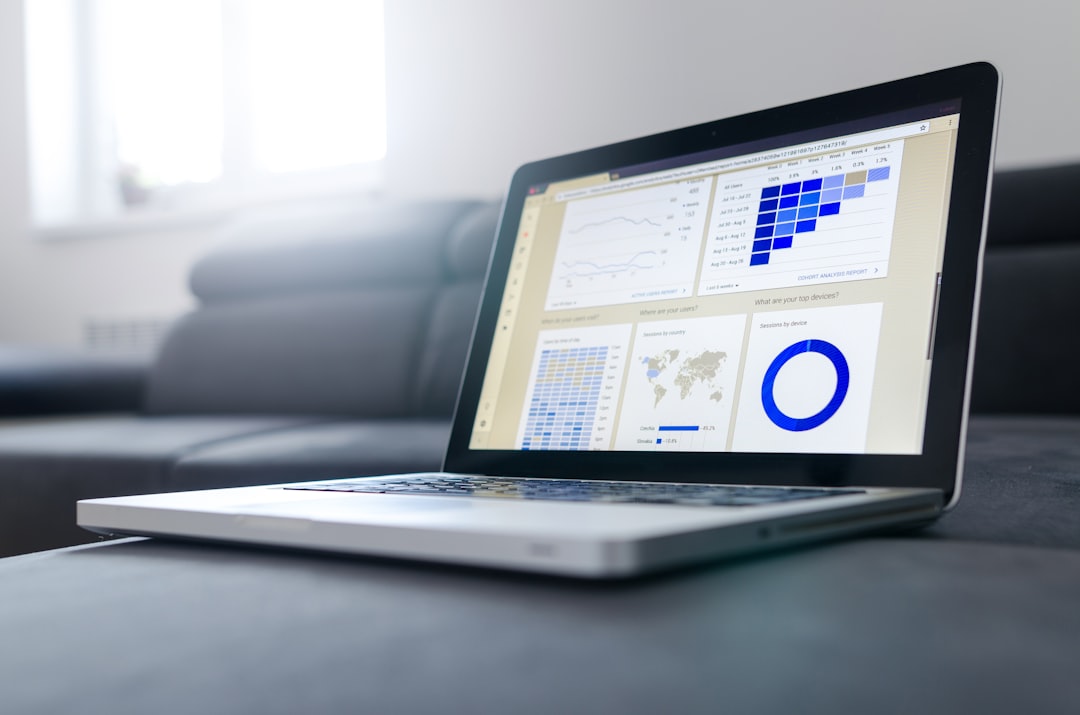
Best Practices for Running Effective All-Hands Meetings
1. Keep the meeting relevant to everyone. An all-hands meeting should focus on information that has broad organizational value. Highly technical updates, department-specific process changes, or lengthy project details are often better suited for smaller meetings.
2. Share the agenda in advance. Employees are more likely to engage when they know what will be discussed. The agenda should include speakers, timing, and a way to submit questions beforehand. This also helps leadership prepare thoughtful answers rather than improvising under pressure.
3. Use plain language and context. Leaders may be close to strategy, financials, or product decisions, but employees may not have the same background. Strong presenters explain not only what is happening, but also why it matters.
4. Make Q&A meaningful. The Q&A section should not feel symbolic. A moderator can group similar questions, address sensitive topics respectfully, and follow up on unanswered items after the meeting. Anonymous questions may encourage honesty, especially during periods of uncertainty.
5. Balance honesty with confidence. Employees can usually sense when leadership avoids difficult topics. Effective all-hands meetings acknowledge challenges while explaining the plan to address them. This balance builds credibility.
6. Include recognition and human moments. Celebrating achievements, welcoming new hires, or sharing customer stories helps prevent the meeting from feeling purely transactional. These moments remind employees that progress is created by people, not just metrics.
7. Record the session. For global, remote, or shift-based teams, recordings and summaries are essential. A short written recap with key decisions, links, and next steps is often more useful than a one-hour video alone.
Common Mistakes to Avoid
One common mistake is turning the all-hands meeting into a one-way lecture. If employees only listen to executives read slides, engagement will decline over time. The meeting should include interaction through polls, questions, demonstrations, or rotating speakers.
Another mistake is sharing too much information without prioritization. A crowded slide deck can overwhelm employees and bury the most important message. The host should identify the few points that people must remember and repeat them clearly.
Some organizations also avoid difficult subjects, such as missed targets, restructuring, customer churn, or budget pressure. While not every detail can be shared, silence often creates rumors. Clear, responsible communication is usually better than vague reassurance.
Finally, many teams fail to follow up. If leaders ask for feedback or invite questions but never respond afterward, trust can weaken. A simple follow-up document can show that employee input was heard and taken seriously.

How Often Should All-Hands Meetings Happen?
The right frequency depends on company size, pace, and communication needs. Fast-growing startups may hold all-hands meetings weekly or biweekly because priorities change quickly. More established companies may prefer monthly meetings, with a deeper quarterly session.
Weekly all-hands meetings should be short and highly focused, often 20 to 30 minutes. Monthly meetings can run 45 to 60 minutes and include more reflection. The key is consistency. Employees should know when the meeting happens, what to expect, and how to participate.
How to Measure Success
An all-hands meeting should be evaluated like any other internal process. Organizations can track attendance, replay views, question volume, pulse survey scores, and employee feedback. For example, if attendance is high but questions are rare, employees may not feel comfortable speaking up. If replay views are strong among remote teams, asynchronous access may be working well.
Short surveys after major all-hands meetings can ask whether employees understood priorities, felt informed, and found the content useful. Over time, these signals help leaders refine the format and remove segments that do not add value.
FAQ
What is the main purpose of an all-hands meeting?
The main purpose is to align the organization around important updates, goals, performance, and culture. It gives employees a shared understanding of what is happening and why it matters.
Who should lead an all-hands meeting?
All-hands meetings are often led by the CEO, founder, general manager, or senior executive. However, a skilled moderator can help manage timing, speaker transitions, and Q&A.
How long should an all-hands meeting be?
Most all-hands meetings should last between 30 and 60 minutes. Shorter meetings work well for frequent updates, while quarterly sessions may need more time.
Should employees be allowed to ask anonymous questions?
Anonymous questions can be useful, especially when employees may hesitate to raise sensitive topics publicly. Leaders should answer them respectfully and set reasonable guidelines for constructive communication.
What should be avoided in an all-hands meeting?
Organizations should avoid overly long presentations, unclear metrics, excessive department-specific detail, and scripted answers that ignore employee concerns. The meeting should feel honest, focused, and relevant.
Are all-hands meetings useful for remote teams?
Yes. For remote and hybrid teams, all-hands meetings can create connection and alignment. Recordings, live chat, polls, and written recaps help remote employees participate effectively.