

In the digital classroom era, student portals have become the backbone of modern education. While data analytics provides insights into student participation, progress, and performance, preserving student privacy is increasingly critical. Enter the world of Umami-style dashboards—open-source, privacy-friendly analytics tools that empower educators to make data-driven decisions without compromising user confidentiality.
TL;DR
Umami-style dashboards provide educators with an ethical, secure way to monitor student activity through portals without invasive tracking. These open-source tools deliver actionable analytics while avoiding personally identifiable data collection. This article examines the top six Umami-style dashboards trusted by educational institutions, focusing on features, privacy compliance, and real-world usefulness. Whether you’re a school administrator or a classroom teacher, one of these dashboard solutions could fit your needs.
What Are Umami-Style Dashboards?
Umami-style dashboards are analytics platforms modeled after the open-source tool Umami, which was created as a lightweight and privacy-first alternative to mainstream solutions like Google Analytics. These platforms focus on:
- No cookies or fingerprinting
- GDPR, CCPA, and PECR compliance
- First-party data handling
- Custom event tracking without user profiling
For schools and institutions that serve minors or handle sensitive data, using these kinds of dashboards means aligning with best practices around digital ethics and student rights.
Why Do Educators Need Privacy-First Dashboards?
Tracking how students interact with a learning platform helps educators understand what works and what doesn’t. However, most commercial analytics tools gather data at the cost of individual privacy. This raises serious concerns when dealing with data on children or young adults. Privacy-first dashboards like Umami give educational stakeholders the insight they need while ensuring that no personal information is compromised or stored extraneously.
The 6 Best Umami-Style Dashboards for Educational Use
1. Umami
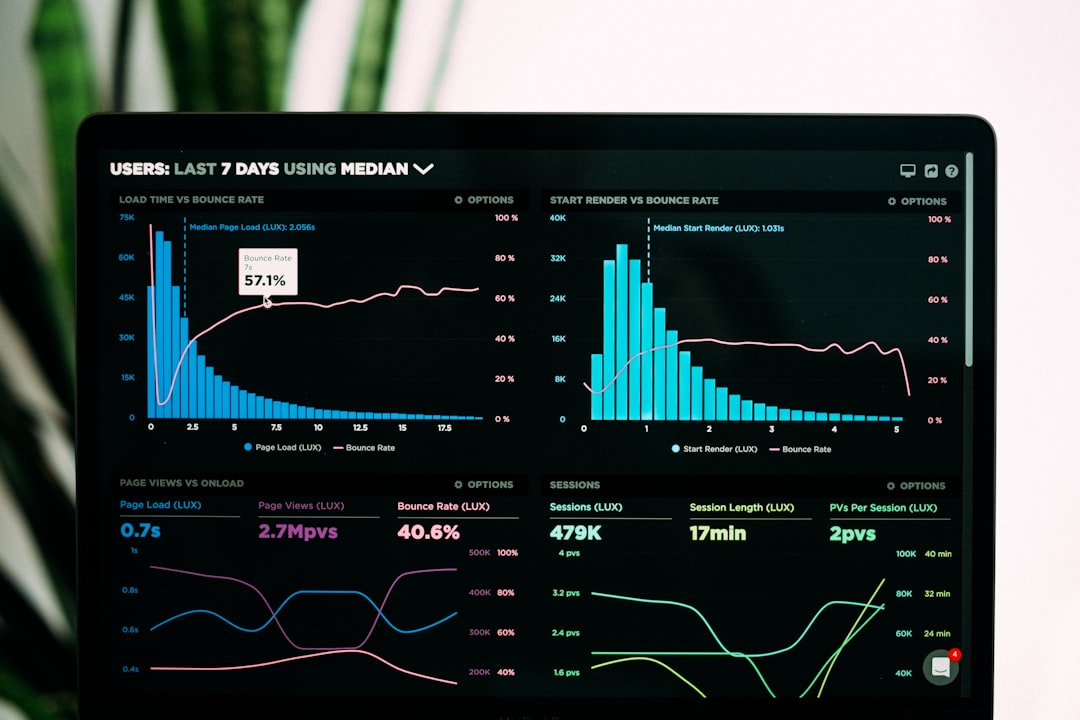
The original Umami dashboard remains one of the most trustworthy and robust analytics platforms for educational purposes.
- Open-source: 100% free to self-host, with regular updates.
- Privacy-compliant: Does not track personally identifiable information or store IP addresses.
- Custom events: Ideal for measuring task submissions, login attempts, and page navigation metrics.
Umami is best suited for schools with a modest IT team that can manage a self-hosted solution. Its intuitive interface makes it accessible even for less tech-savvy educators.
2. Plausible Analytics
Another excellent tool that mirrors Umami’s philosophy, Plausible Analytics is designed for simplicity and speed.
- Simple dashboards: Focused on clarity, with minimal graphs and real-time data.
- Full transparency: Open-source codebase and documented compliance guarantees.
- Self-hosted or hosted: Choose to run it on your own server or use their privacy-focused cloud hosting.
Plausible is perfect for individual departments or educators looking for a plug-and-play privacy solution without sacrificing data fidelity.
3. Matomo (Formerly Piwik)
Though heavier than Umami or Plausible, Matomo offers powerful features often necessary in larger educational organizations.
- Advanced segmentation: Without identifying users, it allows analysis by behavior groups or usage patterns.
- Data ownership: All data stays on your server—no third-party access.
- Plugins for education: Integration with Moodle, Canvas, and other LMS platforms.
Matomo is best when institutions require granular data insights but still want to maintain strict privacy boundaries.
4. Offen
Offen takes a unique approach by making data access transparent to all users—even students.
- User-friendly privacy: Gives each user access to their own data records for real-time transparency.
- Clear consent workflow: Encourages trust through opt-in data usage.
- Intuitive UI: Makes it easy for educators to check key metrics hourly or weekly.
Offen is ideal for institutions with transparency commitments or students in higher education who demand more control over their personal data.
5. GoatCounter
A minimalistic tool that sacrifices bells and whistles for bulletproof privacy principles.
- Open-source freeware: No enterprise upsells or hidden costs.
- Ultra-low overhead: Lightweight and can run on nearly any server.
- No JavaScript needed: Works even on text-based portals or low-end setups.
Best for educators in developing schools or rural districts where bandwidth and technical infrastructure are limited.
6. Ackee
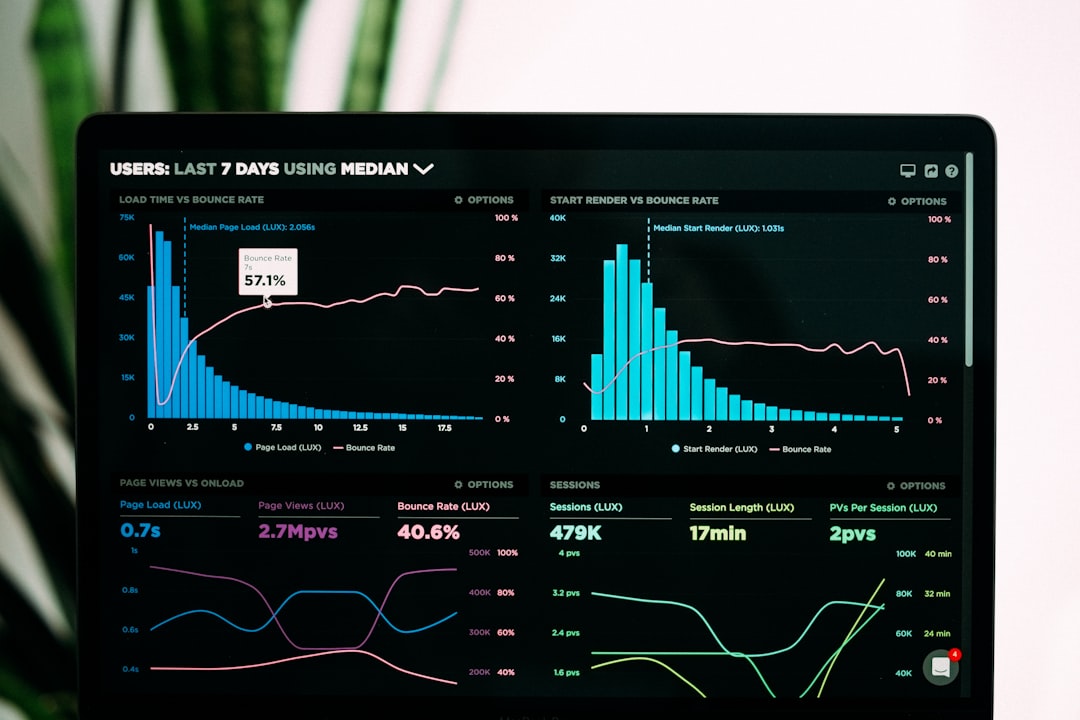
Ackee offers a sleek dashboard and robust API integrations perfect for modern education platforms.
- Self-hosted: Simple Docker setup reduces time and complexity.
- Custom tracking: Very useful for unique KPIs like time spent on resources or number of video plays.
- GraphQL API: Highly integrable for developers building custom educational experiences.
Ackee is particularly effective for online academies or institutions with in-house developers who need flexibility and control.
Data Collected and Why It Matters
Each of these dashboards focuses on non-identifiable insights such as:
- Page views
- Time spent per page
- Event triggers (like quiz submissions)
- Device or browser types
With this type of data, educators can assess materials, understand learning patterns, and provide support where student interactions suggest difficulties—all without stepping over important ethical lines.
Implementation Tips for Educational Institutions
For schools looking to integrate these dashboards effectively, consider the following best practices:
- Get IT Support Involved Early: Self-hosting, while secure, needs consistent monitoring.
- Set Clear Metrics: Decide in advance what student engagement indicators you will monitor.
- Use with LMS Integration: Tools like Matomo offer direct plugins with major learning platforms.
- Inform Students and Parents: Clearly communicate what data is being collected and why.
- Review Regularly: Meet with teaching staff periodically to revise dashboard usage for instructional improvement.
The Regulatory Landscape: Why Privacy Cannot Be Optional
Regulations such as the General Data Protection Regulation (GDPR) in Europe and the Children’s Online Privacy Protection Act (COPPA) in the United States mandate strict standards for data handling, especially in educational settings. Non-compliance can result in steep penalties and more importantly, loss of trust in the institution.
In this context, the emergence of Umami-style dashboards reflects an ethical shift in how educational institutions interact with data. Rather than bombard students with tracking scripts or third-party code, schools can take a minimalist yet effective approach, safeguarding both privacy and insight.
Conclusion: Analytical Power Without Ethical Cost
Educators should not have to choose between effective teaching and respecting student privacy. The six dashboards listed above show that a middle path does exist—one where analytics serve educational goals while honoring ethical and legal standards.
By adopting a privacy-first dashboard, educational institutions not only comply with data regulations but also foster a learning environment that values transparency, trust, and respect.