
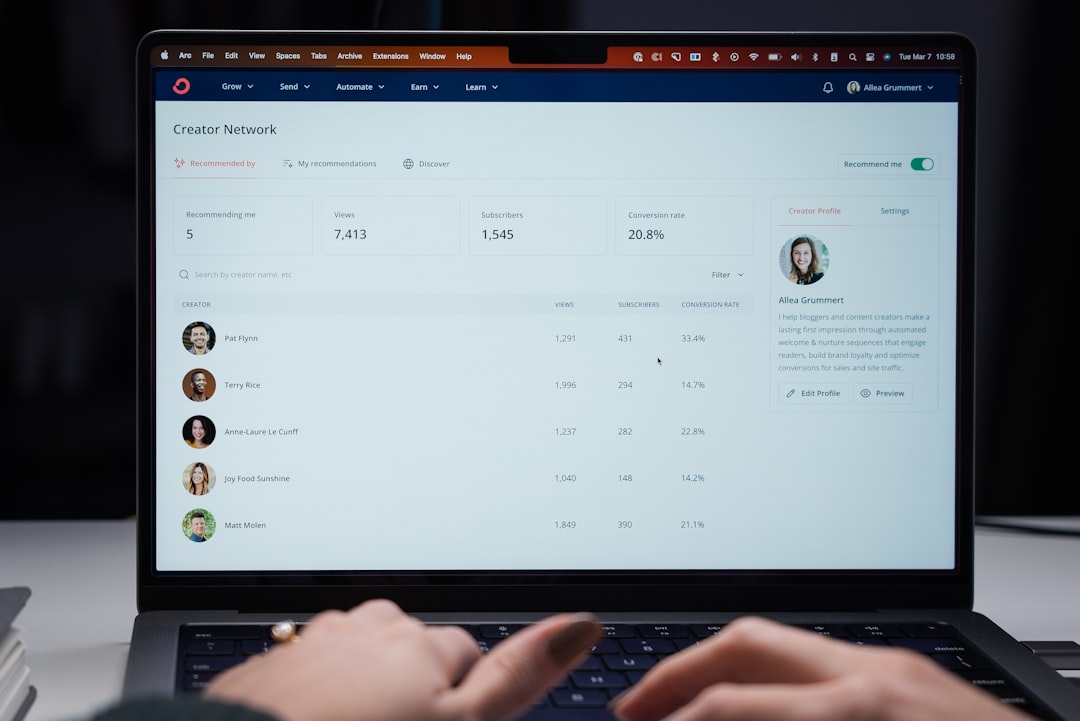
In 2026, software localization is no longer just about translating strings. The best providers help product teams ship multilingual apps, websites, SaaS dashboards, documentation, chatbots, release notes, and in-product messaging with speed, quality, and cultural accuracy. As AI translation becomes standard, the real differentiator is how well each provider combines automation, human review, developer workflows, terminology control, and market expertise.
TLDR: The best software localization service depends on your team size, release velocity, and quality needs. Lokalise, Phrase, and Crowdin are excellent for agile product teams, while Smartling, RWS, Lionbridge, TransPerfect, and Bureau Works offer stronger enterprise localization programs. If you need fast continuous localization, choose a developer-friendly platform; if you need regulated, high-volume, or highly nuanced global content, choose a provider with deep linguistic operations.
How to Choose a Software Localization Provider in 2026
Modern localization sits at the intersection of product management, engineering, UX writing, legal compliance, and customer experience. A good provider should reduce friction rather than add another manual step. Before comparing vendors, look closely at these factors:
- Developer workflow: GitHub, GitLab, Bitbucket, API, CLI, Figma, Jira, and CI/CD support.
- AI plus human quality: Machine translation is useful, but reviewer workflows, QA checks, and terminology databases determine final quality.
- Scalability: Can the provider support 5 languages today and 45 tomorrow?
- In-context review: Translators should see where text appears inside the app, not just isolated strings.
- Security and compliance: Especially important for fintech, healthcare, government, and enterprise SaaS.
- Total cost: Consider platform fees, translation costs, minimum commitments, and workflow efficiency.

1. Lokalise
Best for: Agile SaaS teams, mobile apps, and fast-moving product organizations.
Lokalise remains one of the most popular localization platforms for software teams because it is built around speed and collaboration. Developers can connect repositories, designers can work from Figma, product managers can track progress, and translators can review content in context. In 2026, Lokalise is particularly strong for companies that release often and treat localization as part of the product lifecycle.
Strengths: Excellent integrations, intuitive interface, strong automation, and good support for mobile and web apps. Its AI-assisted workflows help teams pre-translate content, flag issues, and reduce repetitive work.
Limitations: Larger enterprises may still need to pair it with specialized language service providers for highly regulated content or complex regional adaptation.
2. Phrase
Best for: Enterprise localization teams that need a powerful translation management system.
Phrase has matured into a robust localization suite with strong tools for software strings, marketing content, terminology, quality assurance, analytics, and machine translation management. It is a strong choice for organizations that want to centralize localization operations across multiple departments.
Strengths: Enterprise-grade workflow control, translation memory, terminology management, analytics, and broad integration support. Phrase is also well suited for companies managing both software and non-software content.
Limitations: Smaller startups may find the platform more advanced than necessary, particularly if they only need simple app translation in a few languages.
3. Crowdin
Best for: Developer-centric teams, open-source projects, and community localization.
Crowdin has long been appreciated by engineering teams because it makes localization feel natural within development workflows. It supports file synchronization, Git integrations, API access, screenshots, in-context translation, and community translation programs. For open-source software, gaming communities, and developer tools, Crowdin is especially compelling.
Strengths: Flexible project setup, strong developer tools, community translation features, and affordable options for smaller teams.
Limitations: Companies that need deeply managed linguistic services may require additional vendor support or internal localization managers.
4. Smartling
Best for: Enterprises that want a managed localization platform with premium language services.
Smartling combines translation technology with professional human translation and managed services. It is especially strong for companies that localize software, websites, product documentation, and marketing content at scale. Its visual context tools and quality measurement features make it easier to maintain brand consistency across markets.
Strengths: Strong enterprise service model, high-quality linguist network, visual context, automation, and governance features.
Limitations: Pricing and implementation may be better suited to mid-market and enterprise buyers than very small teams.
5. RWS
Best for: Large enterprises, regulated industries, and complex multilingual programs.
RWS is a major localization and language services provider with deep experience in software, life sciences, legal, financial, industrial, and technical content. Its ecosystem includes translation technology, terminology management, machine translation, and professional linguistic services. For companies that require rigorous quality systems and subject-matter expertise, RWS is a serious contender.
Strengths: Deep enterprise experience, strong compliance capabilities, specialist translators, and mature localization operations.
Limitations: It may feel less lightweight than software-first platforms designed mainly for rapid SaaS releases.
6. Lionbridge
Best for: Global brands needing broad localization, testing, and market expertise.
Lionbridge is one of the most established names in localization. Beyond translation, it offers software localization, linguistic testing, AI data services, multimedia localization, and global content support. For companies entering many markets at once, Lionbridge brings operational depth and a large global network.
Strengths: Extensive language coverage, localization testing, global program management, and experience with enterprise-scale launches.
Limitations: Teams looking primarily for a self-serve developer platform may prefer tools like Lokalise, Phrase, or Crowdin.
7. TransPerfect
Best for: Organizations that need a broad, full-service localization partner.
TransPerfect offers software localization, website translation, app localization, testing, interpretation, multimedia, and legal language services. It is a massive provider with resources for global enterprises that need end-to-end support across content types. For software companies with heavy documentation, support content, compliance material, and marketing campaigns, this breadth can be valuable.
Strengths: Very broad service portfolio, global scale, industry-specific expertise, and support for complex localization programs.
Limitations: Because the offering is extensive, buyers should clearly define scope, workflows, and quality expectations before implementation.
8. Bureau Works
Best for: AI-assisted localization with human quality control and workflow transparency.
Bureau Works positions itself around intelligent localization operations, combining translation management, AI suggestions, terminology, quality checks, and professional linguist workflows. It is a good fit for teams that want to use AI aggressively but still keep expert human review in the loop.
Strengths: AI-enhanced translation workflows, transparency, terminology control, and flexible language operations.
Limitations: It may not have the same name recognition as the largest legacy providers, but it is increasingly relevant for teams modernizing localization operations.
Quick Comparison
- Best for agile product teams: Lokalise, Phrase, Crowdin
- Best for enterprise governance: Smartling, RWS, TransPerfect
- Best for developer workflows: Crowdin, Lokalise, Phrase
- Best for regulated industries: RWS, Lionbridge, TransPerfect
- Best for AI-assisted localization: Bureau Works, Phrase, Lokalise
- Best for global launch support: Lionbridge, Smartling, TransPerfect
Which Provider Should You Choose?
If your team ships product updates weekly, prioritize a platform that connects directly to your development process. Lokalise is excellent for collaborative SaaS teams, Crowdin is ideal for developer-led and community projects, and Phrase works well when you need more centralized enterprise control.
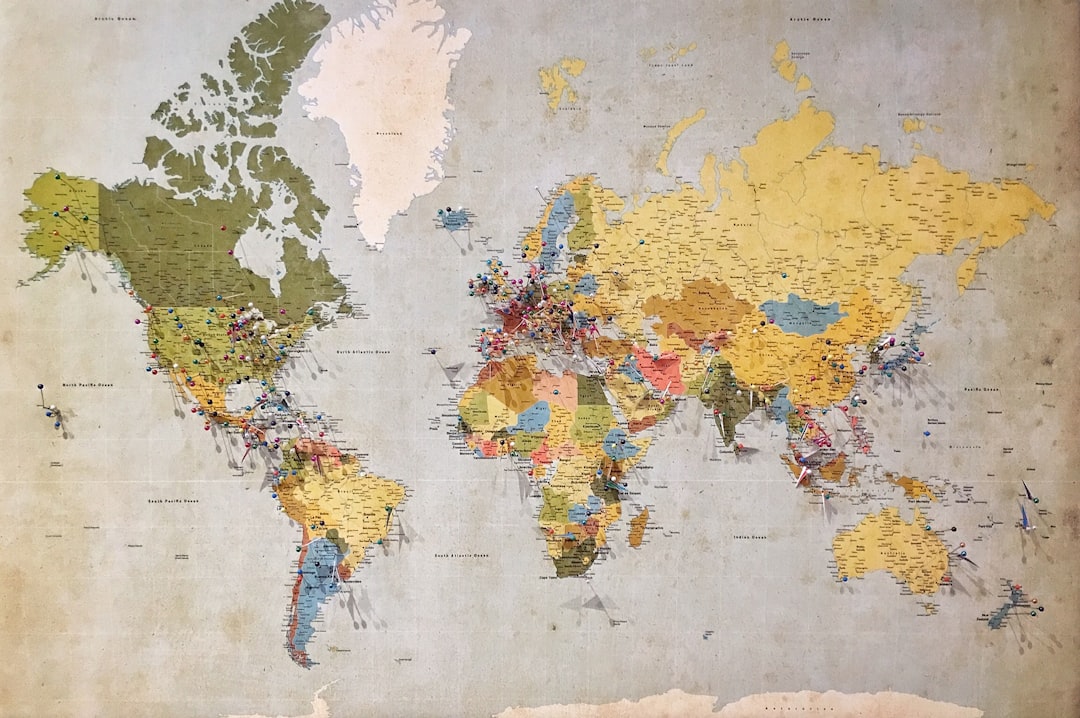
If you are managing a large global localization program, the decision shifts toward service depth, quality governance, and operational support. Smartling is strong for enterprises that want technology plus managed translation services. RWS, Lionbridge, and TransPerfect are better suited to complex global programs, regulated industries, and large-scale multilingual operations.
For teams experimenting with AI localization, Bureau Works deserves attention because it focuses on blending automation with professional oversight. That balance is increasingly important in 2026, when raw AI output is often fast but not always brand-safe, legally precise, or culturally appropriate.
Final Thoughts
The best software localization services in 2026 are not just translation vendors; they are global product partners. The right choice depends on whether you need speed, scale, compliance, automation, human expertise, or all of the above. For most software companies, the winning strategy is to combine a strong localization platform with clear terminology, in-context review, automated QA, and experienced linguists who understand the product.
In short, choose the provider that fits your release rhythm. Great localization should make your product feel as if it was built for every market from day one, not translated as an afterthought.