
For centuries, games have evolved, not only entertaining but teaching, connecting, and transforming cultures. Among the lesser-known but culturally rich games is Çbiri, a unique blend of strategy, intuition, and pattern recognition. Once a beloved pastime among distant Anatolian tribes, Çbiri has recently gained modern momentum as a digital-first mental game with innovative applications.
TLDR (Too Long, Didn’t Read):
Çbiri was an ancient Anatolian game focused on intuition, symbols, and predictive reasoning. It has recently resurfaced in the digital age as a pattern-recognition app that blends ancient wisdom with AI-powered experiences. From its historical roots as a tribal cognition test, it has been revitalized in modern times as a gamified cognitive training platform. The new digital Çbiri appeals to both gamers and cognitive development enthusiasts worldwide.
The Origins of Çbiri
The name Çbiri likely derives from a misinterpreted fragment of pre-Ottoman text referring to “parting paths” or duality in choice-making. It was said to be played in the mountain regions of Eastern Anatolia, especially around small nomadic communities that straddled trade routes and exchanged both goods and ideas.
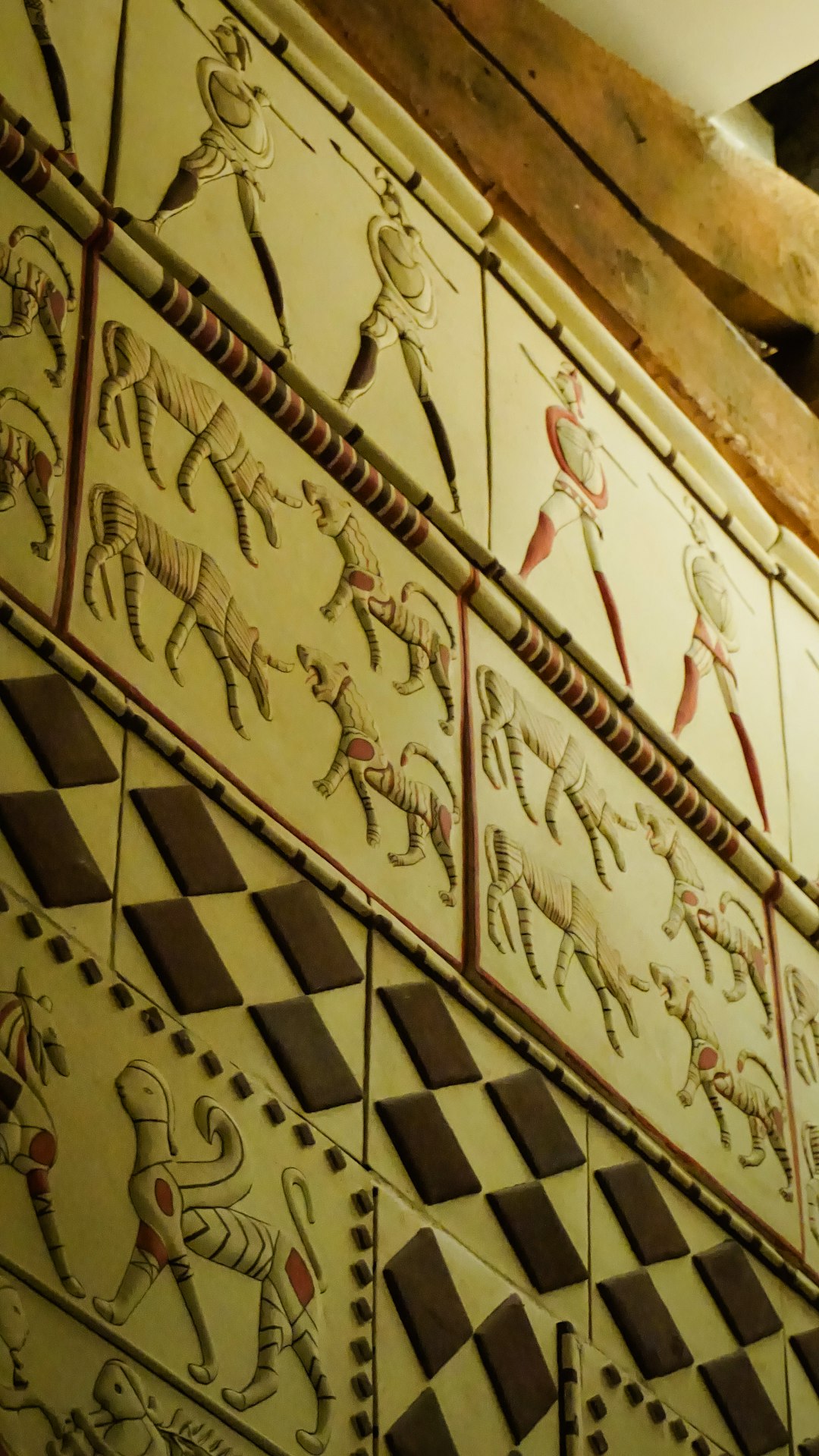
According to oral tradition, the game involved placing carved wooden symbols on a cloth grid. These symbols—representing nature, animals, and celestial bodies—were drawn randomly from a pouch and placed using simple, recognizable patterns. The game tested participants not only on memory but also on rhythm, timing, and prediction.
Gameplay Mechanics: Intuition Meets Structure
Unlike structured rule-based modern boardgames like chess or Go, Çbiri embraced controlled spontaneity. Each symbol had a dual nature, depending on where and when it was placed. Sessions were often guided by a Çbirici—an elder or village philosopher—who led the game while subtly shaping the experience into a form of cognitive storytelling.
Key elements of the ancient gameplay included:
- Symbolic Language: Each token was a symbol with abstract meaning—such as rain, flame, wolf, or moon—and its interpretation varied by event flow and opponent reactions.
- Grid Matrix: A flexible 6×6 or 8×8 grid made from woven cloth allowed for layout variations depending on the region and occasion.
- Reactive Play: Players responded to each other by introducing ‘counter-symbols’, which could either escalate or resolve game tension.
Beyond just winning, the true essence of Çbiri lay in maintaining balance—symbolic of life’s unpredictable but flowing nature. Many scholars liken it to a playable version of a parable, where outcomes held philosophical reflection more than competitive glory.
Modern Çbiri: A Digital Rebirth
Revived in the late 2010s by a group of Turkish developers and cultural anthropologists, Çbiri became a subject of digital gamification. The project’s aim was twofold: preserve its mythic roots and provide a modern platform for cognitive development.
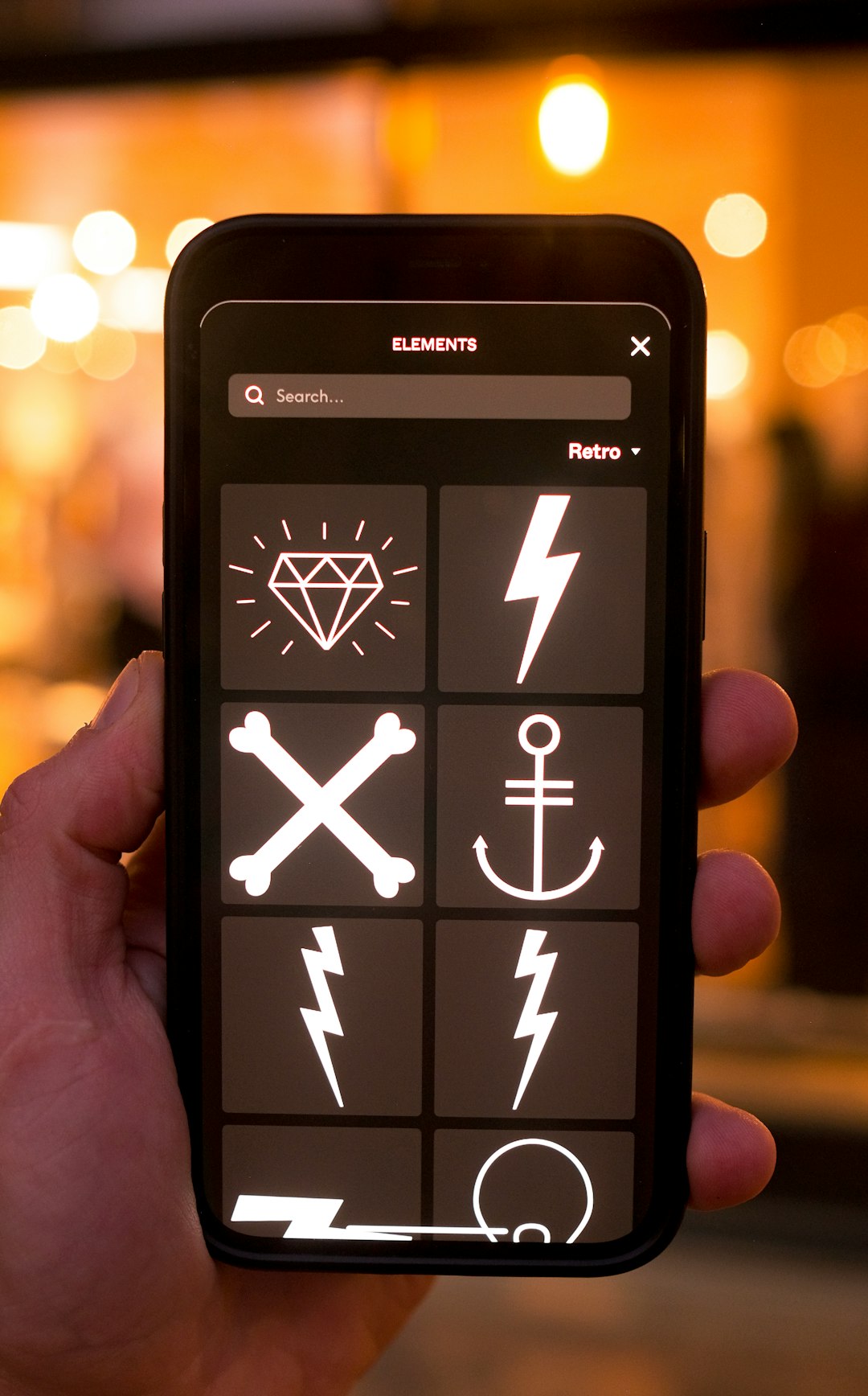
The result? An algorithmic, AI-coordinated mobile application and web platform that learns user behavior over time and adapts gameplay accordingly. Instead of wooden tokens, digital glyphs interact within a virtual grid—and users are challenged not with speed or dexterity, but with foresight, associative memory, and abstraction.
Features of digital Çbiri include:
- Adaptive Gameplay: Uses machine learning to fine-tune challenges specific to the user’s play style.
- Symbol Library: Over 200 active glyphs inspired by ancient icons with modern reinterpretations.
- Story Mode: Progressive gameplay seeded with folklore that unfolds depending on a player’s intuitive choices.
- Community Play: Allows users to host symbolic duels and solve community puzzles collaboratively.

The Cultural Resonance of Çbiri Today
Interestingly, Çbiri’s rise in popularity reflects a growing desire for mindful gaming—experiences that aren’t reliant solely on dopamine hits but those that blend philosophy, contemplation, and neural training.
Educational institutions have started recommending Çbiri as part of broader curriculum in cultural studies, cognitive science, and even art therapy. It acts as a bridge between the ancient and the digital—a gamified meditation through symbolic play.
Modern impacts include:
- Cognitive Enhancement: Players report improved pattern recognition and memory retention.
- Cross-generational Play: The simplicity of play combined with symbolic depth attracts users across ages.
- Digital Anthropology: Preserves forgotten game structures and reanimates them into current user experiences.
Challenges in Revival
The revival of Çbiri wasn’t without obstacles. One of the primary challenges was the lack of definitive rules. Since the original game existed largely in oral tradition, developers had to reconstruct symbolic meanings from fragmented texts, regional stories, and guesswork involving semiotics and mythology.
Moreover, making something ancient translate into something not only playable but valuable in today’s saturated game market required a design philosophy that balanced authenticity with engagement—a difficult proposition with risks of cultural appropriation or inaccuracy.
What Sets Çbiri Apart
Unlike memory-based games or competitive puzzle platforms, Çbiri trains a different dimension of cognition: symbolic intuition. It rewards ambiguous thinking, shifts in perception, and learning through uncertainty—traits that mirror more facets of real decision-making than rigid logic alone.
Its community aspect—users co-decoding symbols and creating regional rules—harnesses collective intelligence as part of its core mechanism. In that sense, it’s not just a game, but a platform for symbolic co-creation.
Frequently Asked Questions (FAQ)
-
Q: Is Çbiri based on a real historical game?
A: Yes. Though documentation is limited, historians confirm that games similar in pattern and symbolism were played in pre-Ottoman Anatolia. Recent research combined with oral tradition forms the basis of the game’s revival. -
Q: Can Çbiri be played offline?
A: The digital version requires connectivity for updates and community play, but an offline mode with limited gameplay is also available. There are also handmade board versions available for educational use. -
Q: Does Çbiri have a competitive mode?
A: While designed more for introspection and collaboration, the app includes symbolic duels that test predictive abilities between players in a timed format. -
Q: Is knowledge of the original culture necessary to appreciate the game?
A: No. The game includes a built-in glossary and visual learning throughout. Cultural insights enhance the experience, but the game design makes it enjoyable for everyone. -
Q: Would children enjoy Çbiri?
A: Yes, especially older children and teens who are drawn to symbols, fantasy, and storytelling. Younger children may need guidance, as symbolic logic can be abstract.
In bridging the worlds of ancient wisdom and futuristic gaming, Çbiri offers not only a glimpse into lost cultures but also a compelling new form of mindful play. Whether approached as a game, a story, or a mental challenge, Çbiri reminds us that some of the oldest ideas still resonate in a world of pixels and processors.