
Chasing unpaid invoices is not anyone’s favorite job. It takes time. It drains energy. And it can hurt customer relationships if done poorly. That is why many businesses are turning to Debt Collection Management Platforms. These tools help you track, manage, and recover outstanding payments in a smarter and more organized way.
TLDR: Debt collection management platforms help businesses recover more money, faster and with less stress. They automate reminders, track customer behavior, and provide real-time insights. This leads to higher recovery rates and better customer communication. If you want to improve cash flow and reduce manual work, these tools are worth exploring.
What Is a Debt Collection Management Platform?
A debt collection management platform is software designed to help businesses recover unpaid debts. It replaces messy spreadsheets and scattered emails with one central system.
Think of it as your digital collection assistant. It keeps track of who owes money, how much they owe, and when they were last contacted.
Most platforms include:
- Automated payment reminders
- Customer communication tracking
- Reporting and analytics dashboards
- Payment portal integrations
- Compliance management tools
Instead of reacting late to overdue invoices, you stay proactive. And that makes a big difference.
Why Recovery Rates Matter So Much
Recovery rate is the percentage of debt you successfully collect. The higher it is, the better your cash flow.
Low recovery rates can cause:
- Cash flow problems
- Delayed growth
- Increased borrowing
- Operational stress
Even a small improvement makes a big impact. For example, boosting recovery from 70% to 80% can mean thousands or even millions in additional revenue, depending on business size.
This is where technology steps in.
How These Platforms Improve Recovery Rates
1. Automation Keeps Things Moving
People forget. Systems don’t.
Automated reminders ensure customers are contacted at the right time. Not too early. Not too late.
You can set up:
- Friendly reminder emails before due dates
- SMS alerts after missed payments
- Escalation workflows for long-overdue accounts
This steady communication improves response rates without overwhelming your team.
Consistency increases collections.
2. Personalization Builds Cooperation
No one likes robotic messages. Modern platforms personalize communication.
They use customer data to tailor messages. For example:
- Payment history
- Preferred communication channel
- Previous disputes or issues
A respectful and personalized message often works better than aggressive tactics.
And happy customers are more likely to pay.
3. Smart Segmentation Boosts Effectiveness
Not all debts are the same. So why treat them the same?
Debt collection platforms allow segmentation. You can group accounts by:
- Age of debt
- Amount owed
- Risk level
- Customer type
This allows your team to focus on high-value or high-risk accounts first.
Prioritization leads to smarter effort allocation.
4. Data and Analytics Show What Works
Guessing is expensive. Data is powerful.
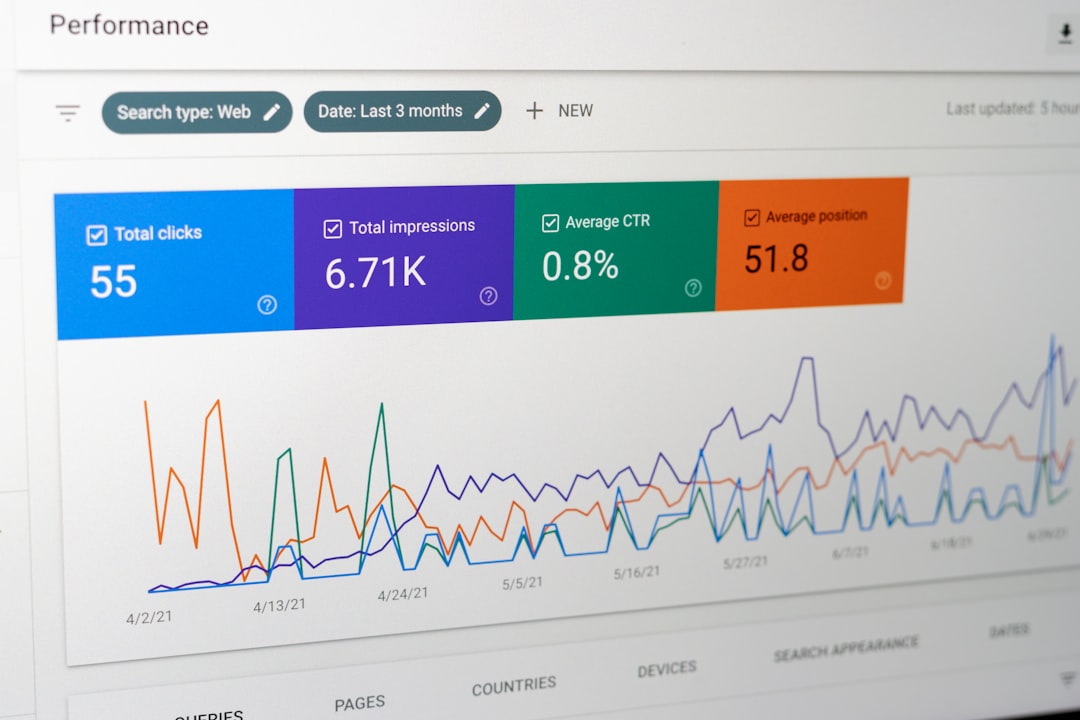
Most platforms provide real-time dashboards. These show:
- Recovery rates by agent
- Best-performing communication channels
- Average days to collect
- Trends over time
You can quickly see what is working and what is not.
If SMS performs better than email, adjust your strategy. If certain accounts rarely pay after 90 days, change your escalation plan.
Data-driven decisions improve results.

Improving Team Productivity
Manual collections slow teams down. Searching for contact details. Logging calls manually. Updating spreadsheets.
Debt collection platforms automate these tasks.
This means your team can:
- Spend more time negotiating payments
- Focus on complex cases
- Handle higher account volumes
Higher productivity often equals higher recovery rates.
And your team feels less overwhelmed.
Better Customer Experience = Better Payments
Here’s something surprising. A better customer experience often leads to faster payments.
Modern collection platforms include:
- Self-service payment portals
- Flexible payment plan options
- Easy online dispute submission
Customers can log in, see their balance, and pay instantly.
No phone calls required. No confusion.
Convenience removes friction. Less friction leads to faster payments.
Compliance Made Simple
Debt collection is heavily regulated. Rules vary by region and industry.
Mistakes can lead to fines. Or worse, lawsuits.
Collection management platforms help by:
- Storing communication records
- Tracking consent preferences
- Automating compliance checks
- Providing audit trails
This reduces risk and gives peace of mind.
When your process is compliant, you can focus more confidently on improving recovery rates.
Integration with Your Existing Systems
Good platforms do not work alone. They integrate with:
- Accounting software
- CRM systems
- Payment gateways
- ERP platforms
This ensures data flows smoothly between systems.
No double entry. No mismatched records.
When everything is connected, you see the full financial picture in real time.

Using Artificial Intelligence for Smarter Collections
Some advanced platforms now use artificial intelligence.
AI can:
- Predict which accounts are most likely to pay
- Recommend the best contact time
- Suggest optimal settlement offers
This predictive power increases efficiency.
Instead of chasing every debtor equally, you focus efforts where they matter most.
That boosts recovery while reducing costs.
Key Features to Look For
If you are considering a debt collection management platform, look for these features:
- User-friendly interface – Easy for your team to learn.
- Automation tools – Customizable workflows and reminders.
- Robust reporting – Clear and detailed analytics.
- Security measures – Strong data protection.
- Scalability – Able to grow with your business.
- Multi-channel communication – Email, SMS, phone, and more.
Choosing the right platform makes all the difference.
Common Mistakes to Avoid
Technology helps. But it is not magic.
Here are common mistakes businesses make:
- Ignoring customer tone and empathy
- Over-automating without monitoring results
- Failing to train staff properly
- Not reviewing performance data regularly
A platform works best when combined with strong processes and well-trained teams.
Small Business vs. Large Enterprise Needs
Not every business needs the same complexity.
Small businesses often need:
- Simple automation
- Easy reporting
- Affordable monthly pricing
Large enterprises may require:
- Advanced AI capabilities
- Multi-region compliance tools
- Large-scale integrations
- Custom reporting dashboards
The goal is the same: improve recovery rates.
The path may differ.
The Financial Impact of Better Recovery
Let’s make this simple.
If your company invoices $1,000,000 per month and 10% goes unpaid, that is $100,000 outstanding.
If better systems help you recover 20% more of that unpaid amount, you reclaim an extra $20,000.
Every month.
Over a year, that is $240,000.
That is the power of small improvements.
Final Thoughts
Debt collection does not have to be chaotic.
With the right platform, it becomes organized. Predictable. Measurable.
You automate what can be automated. You personalize what should be personalized. And you focus human effort where it counts most.
The result?
- Higher recovery rates
- Stronger cash flow
- Better customer relationships
- Less stress for your team
In today’s fast-moving business world, that is not just helpful.
It is essential.