

DTP usually means desktop publishing, but the correct meaning depends on the field using it. In design, medicine, printing, textiles, software, and finance, the same three letters can point to very different things.
TLDR: DTP has several common meanings, with desktop publishing being the most widely recognized in business and design. A design team asking for “DTP support” usually needs page layout, typography, and print-ready files, while a clinic using “DTP” may mean the diphtheria, tetanus, and pertussis vaccine. In a mixed office setting, misreading the acronym can easily waste 10 to 20 minutes per request. A simple rule helps: check the industry first, then the surrounding words.
1. DTP as Desktop Publishing
Desktop publishing is the most common meaning of DTP. It refers to creating printed or digital documents using page layout software. These documents may include brochures, magazines, flyers, catalogs, menus, reports, manuals, and ebooks.
A DTP specialist works with text, images, spacing, fonts, grids, margins, and print settings. The goal is not just to make a file look nice. The goal is to make it readable, consistent, and ready for use.
In a business setting, DTP often sits between graphic design and production. A designer may create a concept. A DTP operator then prepares the full document, fixes alignment issues, checks image quality, and exports the final file for print or screen.
Honestly, it feels like half of DTP work is fixing tiny layout problems that appear after one paragraph changes length by two lines. A brochure can look perfect at 9:00 a.m. and fall apart at 9:07 a.m. after a price table is updated.

2. DTP as Diphtheria, Tetanus, and Pertussis Vaccine
In healthcare, DTP often means the vaccine for diphtheria, tetanus, and pertussis. These are serious bacterial diseases. The vaccine helps protect children from infection and severe illness.
Diphtheria can affect breathing. Tetanus can cause painful muscle stiffness. Pertussis, also called whooping cough, can be especially risky for babies. Because of this, DTP vaccination has been a major part of childhood immunization programs in many countries.
Modern schedules may use related terms such as DTaP or Tdap. These are not always identical to traditional DTP. The letters may look similar, but the formulations and age groups can differ. Medical staff use these terms with care because one letter can change the meaning.
In this context, DTP has nothing to do with design software or printing. It belongs to public health, vaccination records, pediatric care, and medical documentation.
3. DTP as Digital Textile Printing
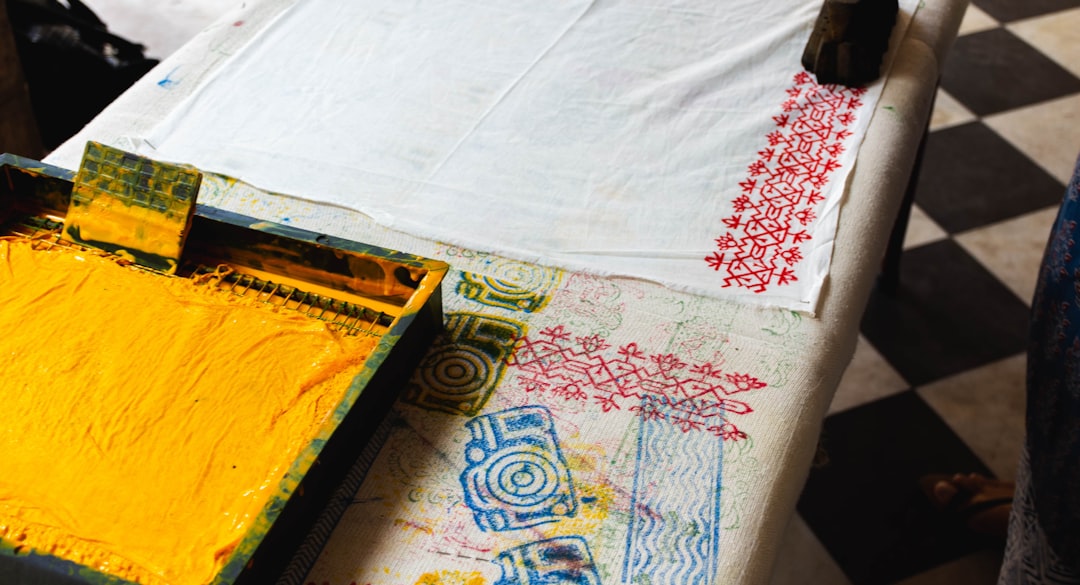
In fashion, apparel, and fabric production, DTP can mean digital textile printing. This is the process of printing designs directly onto fabric using digital printers.
Digital textile printing is used for shirts, scarves, home decor, sportswear, banners, and custom fabric runs. It allows smaller production batches than traditional screen printing. It also supports detailed artwork and many colors without needing a separate screen for each color.
This meaning of DTP is common in textile studios, fashion startups, and print-on-demand businesses. A small brand may use digital textile printing to test 50 units of a new pattern before ordering 5,000 units. That lowers risk and reduces unused stock.
The catch is that fabric type matters a lot. Cotton, polyester, silk, and blends may need different inks or treatments. A design that looks sharp on one material may look dull on another.
4. DTP as Direct-to-Plate
In the printing industry, DTP may also refer to direct-to-plate, more commonly called computer-to-plate in many print shops. It describes a prepress method where digital artwork is transferred directly onto printing plates.
Older workflows often used film before creating plates. Direct-to-plate systems remove that step. This can save time, reduce errors, and improve image sharpness.
For commercial printers, this version of DTP is tied to production speed and print quality. It matters for newspapers, packaging, catalogs, and high-volume printed materials. When a print manager mentions DTP in a pressroom, desktop publishing may still be involved, but plate production may be the real topic.
This is where confusion starts. A client may say, “The DTP file is ready,” while the printer may ask, “Is it ready for plate output?” Those are related ideas, but they are not the same task.
5. DTP as Data Transfer Protocol or Data Transfer Process
In technology, DTP can stand for data transfer protocol or data transfer process. The exact phrase depends on the company, system, or documentation. It usually refers to how data moves from one place to another.
This may involve moving customer records, product feeds, analytics files, backups, or system logs. A DTP may define file formats, timing, security checks, error handling, and destination systems.
For example, an ecommerce company may run a nightly DTP that sends 25,000 product updates from its inventory system to its website. If the process fails, prices may show wrong, stock counts may break, and customer service may get flooded with complaints.
Expect to waste time on vague error messages in this area. A transfer job may fail after 38 seconds and only report “invalid field.” That gives the support team very little to work with.
In tech settings, DTP should always be read beside nearby terms such as API, FTP, database, sync, migration, batch job, or encryption.
6. DTP as Days to Pay
In finance and accounts payable, DTP can mean days to pay. This measures how long it takes a company to pay an invoice after receiving it or after the invoice date, depending on the policy used.
For example, if a supplier sends an invoice on March 1 and the company pays it on March 31, the DTP is 30 days. Finance teams use this number to monitor cash flow, supplier relations, and payment behavior.
A lower DTP can mean faster payments and stronger supplier trust. A higher DTP may help preserve cash for the buyer, but it can strain vendor relationships. In some industries, moving average DTP from 45 days to 32 days can improve supplier satisfaction scores by 15% or more.
This meaning appears in payment reports, procurement reviews, vendor scorecards, and working capital analysis. It is rarely used by design teams or doctors, which is why context matters so much.
How to Tell Which DTP Meaning Is Intended
The fastest method is to check the surrounding words. Acronyms behave like shortcuts, but they often create extra work when teams share them across departments.
- Design words such as layout, brochure, PDF, typesetting, or print file usually mean desktop publishing.
- Medical words such as child, vaccine, booster, clinic, or immunization usually mean diphtheria, tetanus, and pertussis.
- Fabric words such as garment, cotton, ink, roll, or pattern usually mean digital textile printing.
- Pressroom words such as plates, prepress, offset, or press run may mean direct-to-plate.
- System words such as sync, migration, server, or database point to a data transfer process.
- Invoice words such as supplier, payable, vendor, or cash flow point to days to pay.
Why DTP Causes So Much Confusion
DTP causes confusion because it is short, useful, and used by many industries. No single group owns it. A designer, nurse, software engineer, textile printer, and accountant may all use the same acronym correctly.
The problem usually appears in emails, tickets, file names, and meeting notes. A request like “Please review DTP by Friday” is almost useless without context. A better version would be “Please review the desktop publishing layout by Friday” or “Please review the days-to-pay report by Friday.”
Clear wording saves time. It also prevents expensive mistakes. Sending a file to a print operator when the request belongs to finance is annoying. Sending a medical record request to a design team is worse.
FAQ
What does DTP most commonly mean?
DTP most commonly means desktop publishing. It refers to creating page layouts for print or digital documents, such as brochures, magazines, catalogs, and reports.
What does DTP mean in medicine?
In medicine, DTP usually means the vaccine for diphtheria, tetanus, and pertussis. Related vaccine terms include DTaP and Tdap, which may refer to different formulations or age groups.
What does DTP mean in printing?
In printing, DTP can mean desktop publishing or direct-to-plate. The intended meaning depends on whether the discussion is about page layout or press production.
What does DTP mean in textiles?
In textiles, DTP often means digital textile printing. This process prints designs directly onto fabric using digital print equipment.
What does DTP mean in technology?
In technology, DTP may mean data transfer protocol or data transfer process. It usually describes how data moves between systems, applications, or storage locations.
What does DTP mean in finance?
In finance, DTP can mean days to pay. It measures the number of days a company takes to pay an invoice.
How can the right DTP meaning be identified?
The right meaning can usually be identified by context. Words around the acronym are the best clue. If the text mentions vaccines, it is medical. If it mentions layout or PDF files, it is probably desktop publishing.