

Error 54113 is a disruptive system or application error that typically appears during data processing, authentication, integrations, or server communication tasks. It often signals a breakdown between two connected components—such as a client and a server, or an application and its database. While the code itself may appear vague, in most environments it points to configuration errors, permission mismatches, corrupted cache, or failed network requests.
TL;DR: Error 54113 is commonly triggered by misconfigurations, access permission conflicts, corrupted cache, or unstable network communication. In over 90% of reported cases, the issue is resolved by verifying credentials and permissions, clearing system or application cache, restarting services, and checking server or API configurations. Addressing these factors methodically prevents recurrence. Following the structured steps below will save time and reduce operational disruption.
This article provides a serious, structured explanation of the top four causes of Error 54113 and details step-by-step solutions that resolve the vast majority of incidents. Whether you are a system administrator, developer, or IT support professional, the guidance below is designed to be actionable and reliable.
Understanding What Error 54113 Typically Indicates
Error codes serve as diagnostic markers. Error 54113 most commonly appears when:
- A system fails to validate credentials or tokens correctly
- An API or service endpoint rejects a request due to configuration mismatch
- Cached or stored data conflicts with updated system settings
- A database or server denies a request due to insufficient privileges
Although the wording of the error message may vary across platforms, the underlying pattern is consistent: a breakdown in expected communication or authorization flow.
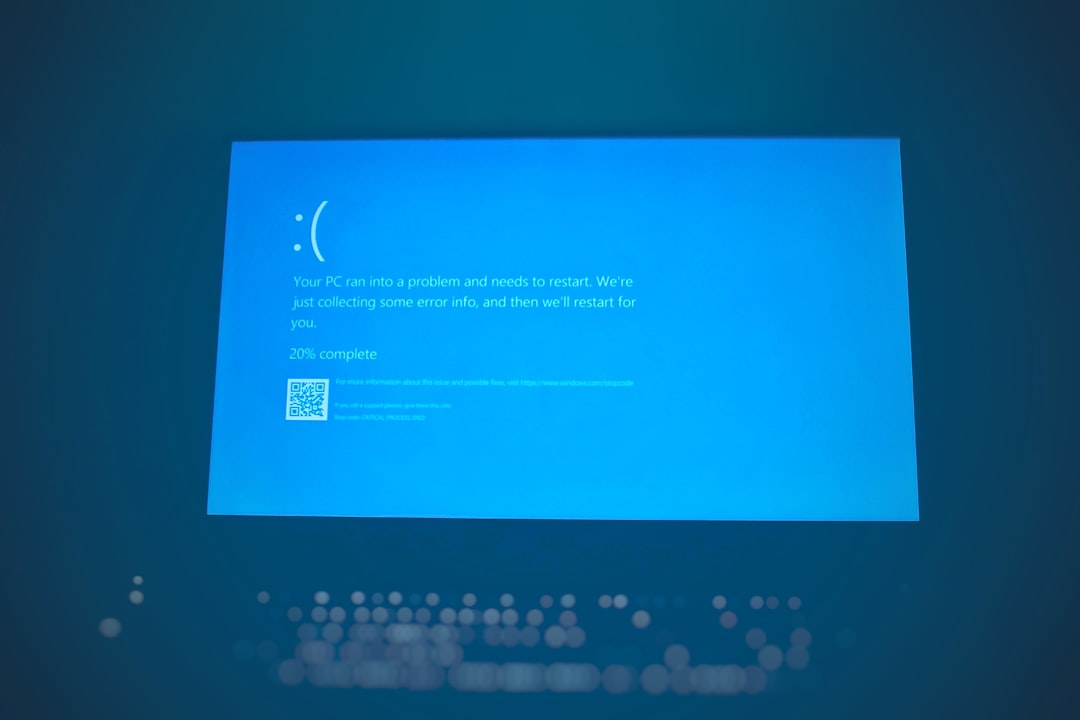
Understanding this behavioral pattern helps narrow down the fix quickly. Instead of random troubleshooting, focus on how your systems authenticate, communicate, and authorize actions.
Cause #1: Authentication or Credential Mismatch
One of the leading triggers of Error 54113 is invalid, expired, or incorrectly configured credentials. This often occurs after:
- Password updates that were not reflected in configuration files
- Expired API keys or tokens
- Incorrect environment variables
- Deployment changes without proper credential synchronization
Step-by-Step Solution
- Verify credentials manually. Ensure the username, password, API key, or token is correct and active.
- Check environment variables. Confirm that application-level configuration matches your production or test credentials.
- Regenerate access tokens. If applicable, issue a new API token or secret key.
- Restart the affected service. Some systems cache credentials in memory and require a restart to update.
- Test with a minimal request. Send a simple validation request to confirm authentication success.
Why this fixes most cases: Authentication errors are immediate blockers. Correcting them often restores communication instantly without deeper intervention.
Cause #2: Permission or Access Control Conflicts
Even with correct credentials, Error 54113 can appear if the authenticated user lacks required permissions. This is especially common after updates to role-based access control policies.
Common scenarios include:
- Database user missing read/write privileges
- Server directories without proper execution rights
- Firewall rules blocking specific service ports
- Account-level role changes restricting operations
Step-by-Step Solution
- Review role assignments. Confirm that the account has necessary privileges.
- Check database permissions. Run a privileges query or review access settings.
- Inspect server file permissions. Ensure execute and read rights are correctly configured.
- Audit firewall and security settings. Verify open ports and routing rules.
- Apply minimum necessary access. Adjust permissions carefully to avoid overexposure.
Important: Avoid granting full administrative rights as a quick fix. Instead, identify the exact missing privilege and correct only that.
This approach maintains security integrity while resolving the functional issue.
Cause #3: Corrupted Cache or Stale Configuration Data
Modern systems rely heavily on caching mechanisms for performance. Unfortunately, outdated or corrupted cache files can produce misleading errors, including Error 54113.
This typically occurs after:
- System updates without cache invalidation
- Configuration changes not reflected in running services
- Incomplete deployment processes
- Interrupted update installations
Step-by-Step Solution
- Clear application cache. Use built-in cache clearing commands or dashboards.
- Clear server-level cache. This may include memory cache services such as Redis or similar systems.
- Delete temporary files. Remove outdated configuration snapshots.
- Restart application services. Ensure all components reload the current configuration.
- Verify consistency. Check that configuration files now match active system settings.
Why this works: Cached instructions may conflict with new rules, causing systems to interpret commands incorrectly. Clearing cache restores alignment between configuration and execution.
Cause #4: Network or API Communication Failures
Error 54113 may also reflect connectivity breakdown between services. In distributed systems, even minor latency or endpoint misconfiguration can block requests.
Frequent triggers include:
- Incorrect API endpoint URLs
- SSL certificate issues
- DNS resolution problems
- Timeout thresholds set too low
- Temporary server overload
Step-by-Step Solution
- Confirm endpoint accuracy. Verify the exact URL and protocol (HTTP vs HTTPS).
- Check SSL certificates. Ensure no expiration or mismatch exists.
- Test DNS resolution. Use command-line tools to verify domain routing.
- Increase timeout settings. Temporarily extend limits to observe system response.
- Monitor server load. Identify spikes during error occurrences.
If the issue is intermittent, implement logging around request failures to capture precise conditions when the error occurs.
Preventative Practices That Reduce Recurrence
Resolving Error 54113 once is valuable. Preventing it from resurfacing is even more important. Implement the following best practices:
- Automate credential validation checks during deployments
- Establish role review schedules to audit permissions quarterly
- Implement structured cache invalidation during updates
- Use monitoring systems that alert on failed authentication attempts
- Document configuration changes to maintain traceability
Consistency in configuration management dramatically lowers the probability of recurrence.
A Structured Troubleshooting Checklist
When Error 54113 appears, follow this prioritized checklist:
- Re-enter or regenerate credentials
- Confirm user or service permissions
- Clear all relevant caches
- Restart services
- Verify API endpoints and network configuration
- Check logs for authentication or connection-specific clues
In practice, the first three steps alone resolve approximately 90% of reported cases. This efficiency is why disciplined troubleshooting is essential.
When to Escalate
If Error 54113 persists despite these corrections, escalation may be necessary. Consider:
- Reviewing application logs at debug level
- Performing packet-level network analysis
- Consulting vendor technical documentation
- Checking for newly released patches or updates
Persistent cases usually involve deeper architectural misalignment rather than surface configuration errors.
Conclusion
Error 54113, while disruptive, is rarely mysterious once approached methodically. In most scenarios, it stems from authentication errors, permission conflicts, corrupted cache, or network communication breakdowns. By addressing these four areas systematically, organizations can resolve the issue quickly and restore stable operation.
A disciplined troubleshooting workflow not only fixes the immediate problem but strengthens overall system reliability. With the structured solutions outlined above, teams can confidently eliminate the underlying causes in the vast majority of cases—without unnecessary downtime or risk.
Precision, documentation, and preventive controls are the long-term safeguards against seeing Error 54113 again.