

Successful events depend on careful coordination, reliable infrastructure, and a seamless ticket purchasing experience. Modern event ticketing software has become an essential tool for organizers who need to manage registrations, track sales, process payments, and deliver a professional attendee journey. Whether hosting a small workshop or a multi-day conference, the right platform can significantly improve operational efficiency and revenue control while minimizing administrative burdens.
TLDR: Event ticketing software centralizes event management, sales tracking, and attendee communication in one secure platform. It streamlines registration, automates financial reporting, and enhances the customer buying experience. With built-in analytics, marketing tools, and real-time data access, organizers gain greater control and scalability. Choosing the right system is critical for delivering smooth events and maximizing revenue.
The Role Of Event Ticketing Software In Modern Event Management
In the past, managing ticket sales often required manual processes, spreadsheets, and on-site cash handling. These methods were prone to human error, fraud risks, and reporting inconsistencies. Today’s digital ticketing systems replace outdated workflows with centralized, automated solutions that offer:
- Real-time ticket sales tracking
- Automated payment processing
- Secure attendee data storage
- Instant reporting and analytics
- Digital ticket delivery and validation
This transformation ensures that event organizers operate with greater precision and transparency while providing attendees with a convenient purchasing experience.

Core Features That Drive Efficiency
A comprehensive event ticketing solution goes beyond simple ticket sales. It integrates multiple operational components into one system.
1. Customizable Ticket Types
Organizers can create multiple ticket tiers, such as early-bird pricing, VIP packages, group discounts, and promotional passes. Advanced platforms allow detailed configuration of:
- Limited quantity releases
- Tiered pricing deadlines
- Member-only access codes
- Add-ons such as merchandise or meal packages
2. Secure Payment Processing
Security is critical when handling financial transactions. Trusted ticketing software includes encrypted payment gateways, multiple currency support, and compliance with financial regulations. These features reduce fraud risks and build buyer confidence.
3. Attendee Management
A centralized attendee database enables organizers to:
- Track registration details
- Send automated confirmations and reminders
- Segment audiences for marketing campaigns
- Generate attendance reports
4. Onsite Check-In And Access Control
Mobile scanning tools allow staff to validate QR codes or digital passes quickly, minimizing queues and improving entrance flow. Real-time attendance tracking is especially important for large-scale events where crowd control and safety compliance are priorities.
Benefits For Event Organizers
Implementing professional ticketing software provides measurable operational and financial advantages.
Improved Accuracy
Automation reduces manual errors in data entry, ticket counting, and revenue calculation. Every transaction is logged and time-stamped for accountability.
Enhanced Financial Transparency
Revenue dashboards provide up-to-date sales figures, tax summaries, and refund tracking. This visibility supports better financial forecasting and reporting to stakeholders.
Time Savings
By automating repetitive processes like confirmation emails, refund issuance, and ticket delivery, staff can focus on strategic planning rather than administrative tasks.
Scalability
Professional platforms can support small community gatherings as easily as large international conferences. As attendance grows, the system scales without compromising performance.
The Buyer Experience: Why It Matters
Attendees expect convenience, clarity, and security when purchasing tickets. A streamlined checkout process can influence buying decisions and increase conversion rates.
Key buyer-facing advantages include:
- Mobile-friendly purchasing
- Instant digital ticket delivery
- Transparent pricing breakdowns
- Easy refund or transfer options
- Multilingual and multi-currency support
A smooth user experience enhances trust in the organizer and increases the likelihood of repeat attendance for future events.
Marketing And Promotional Integration
Modern ticketing software often integrates directly with marketing tools. Rather than relying on separate systems, organizers can monitor the effectiveness of promotional campaigns within the same dashboard.
Email Campaign Integration
Automated workflows allow targeted messaging based on:
- Purchase behavior
- Location
- Engagement levels
Social Media Tracking
Tracking codes and referral links help identify which platforms drive ticket sales. This data enables smarter advertising spending and better campaign optimization.
Discount And Promo Code Management
Event organizers can generate unique promotional codes to measure partner contributions and affiliate performance.
Data Analytics And Reporting
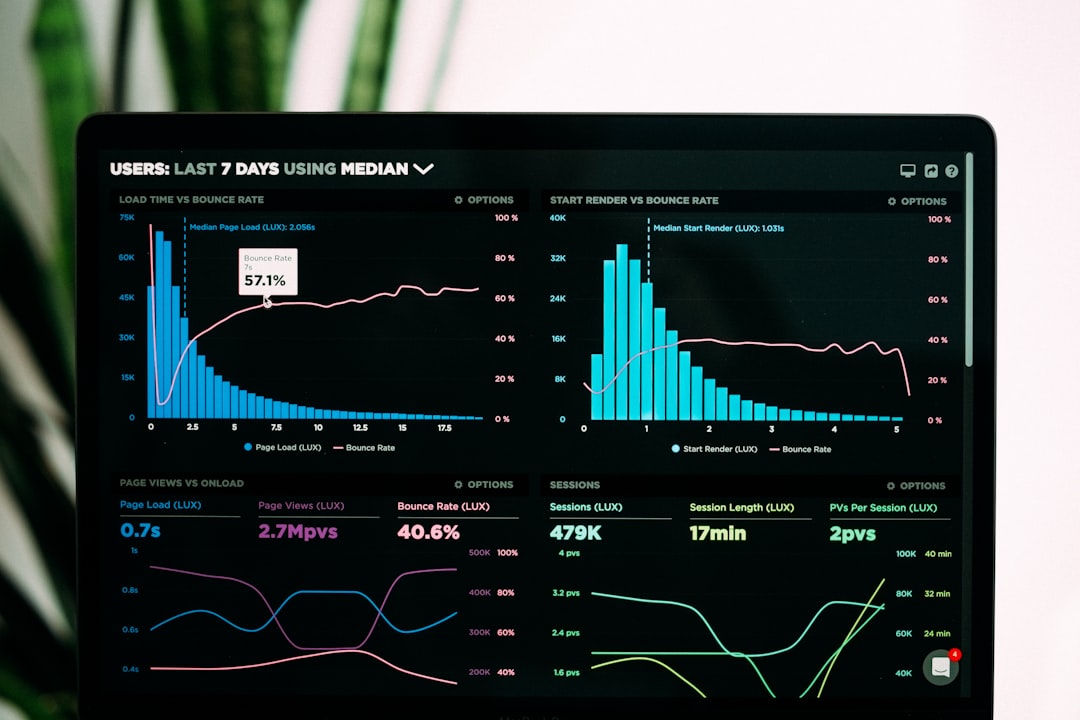
Reliable decision-making depends on accurate data. Event ticketing systems provide advanced reporting features that allow organizers to evaluate performance before, during, and after the event.
Typical reporting capabilities include:
- Sales by date and time
- Revenue by ticket category
- Geographic purchase breakdowns
- Attendance vs. registration comparisons
- Refund and cancellation metrics
This level of detail supports strategic planning for future events and helps identify trends in audience behavior.

Security And Compliance Considerations
Security remains one of the most critical aspects of event ticketing software. A trustworthy system must address both financial protection and data privacy.
Data Protection
Attendee information must be stored securely and handled according to applicable privacy regulations. Reliable platforms utilize data encryption and secure cloud storage environments.
Fraud Prevention
Features such as unique QR codes, dynamic barcodes, and real-time validation minimize ticket duplication and unauthorized access.
Regulatory Compliance
Compliance with payment processing standards and regional tax requirements ensures smooth financial operations and reduces legal risks.
Selecting The Right Ticketing Software
Choosing the right platform requires careful evaluation. Not all solutions offer the same flexibility or depth of functionality.
When assessing options, organizations should consider:
- Ease of use for both administrators and attendees
- Customization options for branding and ticket structures
- Integration capabilities with marketing, CRM, and accounting systems
- Transparent pricing structures
- Reliable customer support
A structured evaluation process that includes testing demo versions and reviewing case studies can prevent costly implementation mistakes.
Applications Across Event Types
Event ticketing software is adaptable across numerous formats, including:
- Corporate conferences and summits
- Live concerts and festivals
- Educational seminars and workshops
- Sports tournaments
- Charity fundraisers
- Virtual and hybrid events
For virtual events, ticketing platforms often include features like automated access links, capacity caps for breakout sessions, and time-based access permissions.
The Long-Term Strategic Advantage
Beyond operational convenience, event ticketing software provides long-term strategic value. Historical data allows organizations to track audience growth, identify repeat attendees, and forecast demand for future events.
Over time, insights gained from analytics can influence decisions about:
- Optimal ticket pricing strategies
- Event scheduling and seasonal planning
- Target audience refinement
- Venue selection based on geographic demand
This data-driven approach turns each event into a learning opportunity, strengthening overall organizational performance.
Conclusion
Event ticketing software has evolved from a simple sales tool into a comprehensive management solution that supports every stage of the event lifecycle. From secure payment processing and real-time analytics to marketing integration and onsite access control, modern platforms empower organizers with unprecedented oversight and efficiency.
By investing in a secure, scalable, and feature-rich ticketing system, organizations demonstrate professionalism, accountability, and a commitment to delivering exceptional attendee experiences. In a competitive event landscape, reliable technology is not merely a convenience—it is a strategic necessity.