Driving revenue through upselling is an essential component of any successful e-commerce strategy. One of the most effective ways to encourage upsells is by optimizing product recommendations within your online store. When executed correctly, these recommendations can significantly boost average order value, enhance user experience, and foster long-term customer loyalty.
But increasing sales through upsells isn’t only about showing random products. It requires a data-driven, user-focused approach that aligns offerings with the customer journey. In this article, we’ll explore methods to intelligently optimize product recommendations to maximize upselling opportunities in your e-commerce store.
1. Implement Intelligent Recommendation Engines
Modern recommendation engines leverage machine learning and behavioral analytics to provide personalized suggestions based on user history, purchase patterns, and browsing behavior. Unlike static recommendations, intelligent systems adapt in real time, offering products that are more likely to align with customer preferences.
There are multiple categories of recommendation strategies:
- Collaborative filtering: Suggests products based on what similar users have purchased.
- Content-based filtering: Recommends items similar to those the customer has viewed or bought.
- Hybrid models: Combine several algorithms to enhance accuracy and relevancy.
2. Use Behavioral Triggers and Real-Time Data
Timing can be just as important as relevance. Utilize behavioral triggers to display upsell offers when users interact with your site. For example:
- When a user adds a laptop to their cart, suggest accessories like a mouse or carrying case.
- After a prolonged time on a product page, show related premium items.
- When a customer reaches the checkout page, prompt them with high-value add-ons.
These real-time recommendations are based on user sessions, allowing for more responsive and higher-velocity engagement. They make upselling feel like a helpful nudge instead of a sales push.
3. Segment Your Customer Base
Segmentation allows you to tailor upsell strategies to the needs and spending habits of different types of customers. By categorizing customers based on factors such as:
- Purchase history
- Demographic data
- Loyalty status
- Traffic source (e.g., email, social media, search)
you can offer recommendations that better align with each group’s expectations and preferences. For example, your high-value customers might be more open to premium upsells, while first-time visitors may prefer budget-conscious bundles.
4. Optimize Placement and Design
Where and how you present recommendations is just as important as what you show. Strategic placement ensures that upsell suggestions get noticed without disrupting the user experience. Consider the following touchpoints:
- Product pages: “Customers also bought,” or “Frequently purchased together.”
- Shopping cart pages: Add complementary items before checkout.
- Post-purchase pages: Offer time-sensitive upsells or upgrades after a transaction.
Keep the design clean and scannable. Highlight benefits clearly, use quality images, and ensure your call-to-action (CTA) buttons are prominent yet non-intrusive.

5. Test and Analyze Continuously
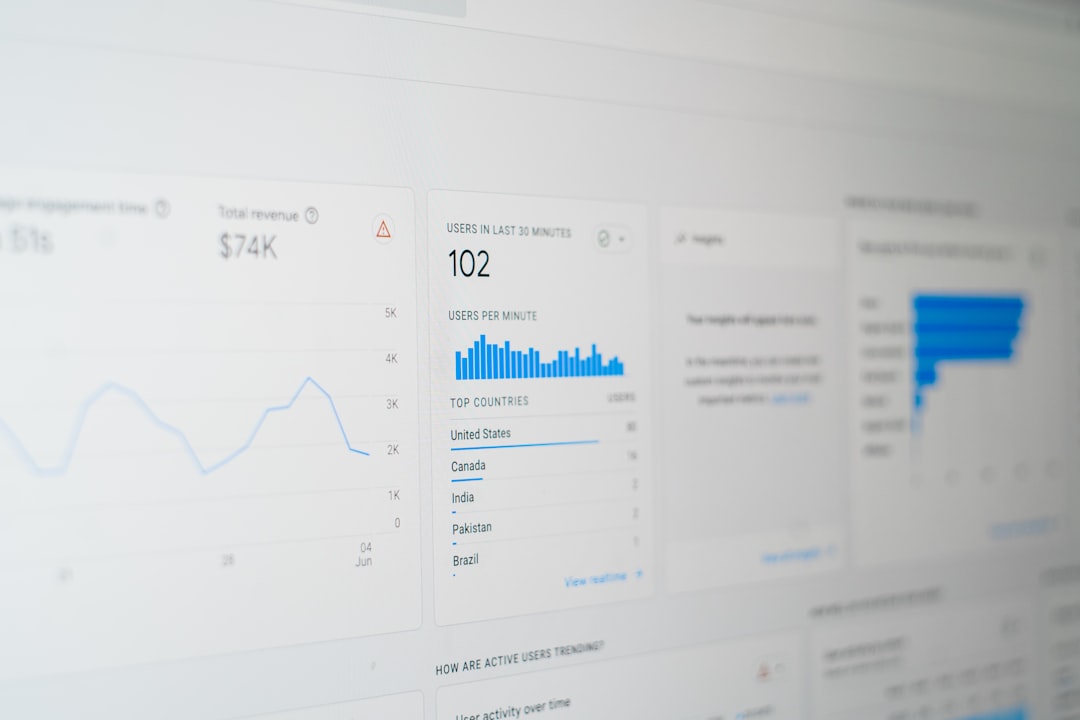
Upsell effectiveness doesn’t remain static. What works for one audience or season may not work for another. It’s crucial to regularly test and refine your recommendation strategies using A/B testing and analytics tools.
Track key performance indicators such as:
- Conversion rate of upsell suggestions
- Click-through rate (CTR) on recommendation widgets
- Average order value (AOV)
- Customer satisfaction and retention rates
This data enables informed decisions and real-time strategy adjustments aligned with customer behavior and market trends.
6. Focus on Value, Not Just Price
Upselling must not feel like manipulation. Customers are more responsive when they perceive additional offerings as value-driven enhancements rather than attempts to extract more money. For example:
- If a user buys a camera, offer a discounted photography course instead of just a pricier model.
- When recommending a subscription plan, highlight longer-term savings and added features.
Align upsell messaging with the customer’s original intent. Use language that emphasizes how the upgrade benefits their experience or solves a problem more effectively.
Conclusion
Optimizing product recommendations for upselling in your e-commerce store requires a thoughtful blend of personalization, timing, strategy, and continuous improvement. By implementing intelligent recommendation systems, leveraging real-time behavioral data, and focusing on customer value, you can create a seamless buying experience that not only boosts revenue but also reinforces customer satisfaction and trust.