

In today’s digitally driven business world, organizations are only as robust and efficient as their IT systems. With expanding digital footprints, growing demand for 24/7 online services, and increasing complexity in tech stacks, managing IT infrastructure has become more critical than ever. Effective IT infrastructure management doesn’t just streamline operations—it significantly improves system reliability and can reduce downtime by as much as 37%. But how is this accomplished?
Understanding IT Infrastructure Management
IT infrastructure management involves administering and managing the essential operational components of an organization’s information technology systems. These components typically include:
- Hardware — Servers, data centers, desktops, and networking equipment
- Software — Operating systems, applications, and security programs
- Network resources — Internet connectivity, firewalls, and switches
- Data and storage — Databases, cloud services, and backup systems
- Personnel and processes — IT teams, workflows, and protocols
When managed cohesively, these various elements contribute to an efficient system that ensures availability, performance, and optimal usage.
How Reliability is Enhanced Through Proactive Management
Many businesses underestimate the importance of a proactively managed IT infrastructure until issues arise—usually in the form of unplanned outages or degraded system performance. With a proactive management approach, companies can improve system reliability across several dimensions.
1. Predictive Maintenance and Monitoring
Continuous monitoring tools allow IT teams to collect real-time analytical data and gain insights into how systems are performing. These insights help pinpoint early warning signs such as overheating hardware, memory bottlenecks, or unauthorized access attempts.
Rather than reacting to these issues only after they’ve become critical, predictive analytics enables administrators to act before downtime occurs. This predictive model has proven to reduce outage frequency drastically and increase overall system resilience.
2. Redundancy and Failover Systems
Having redundant systems in place—such as duplicate servers or standby data connections—ensures that primary failures don’t interrupt business operations. Redundancy is an essential part of IT infrastructure planning and contributes directly to consistent performance and high availability.
Failover systems automatically shift operations to backup resources when disruptions are detected. Managed environments that deploy this kind of springboard functionality can maintain uptime even during unexpected events.

3. Standardized Processes and Automation
Standardization in IT practices minimizes human error and optimizes resource allocation. Automating routine tasks such as software updates, load balancing, or security checks not only speeds up these processes but also eliminates variability in execution.
Automation ensures reliability by creating consistency in how systems are maintained, diagnostics are performed, and patches are applied. This consistency is a cornerstone of system reliability.
Downtime: The Cost and the Cure
Downtime is a nightmare for businesses. It hinders productivity, causes data loss, frustrates customers, and may ultimately lead to revenue loss. According to industry studies, the average cost of IT downtime can be upwards of $5,600 per minute for larger enterprises.
This is where IT infrastructure management comes in. Effective practices reduce downtime by up to 37% for several key reasons:
- Reduced diagnostic delays — With constant monitoring in place, problems can be identified and resolved more quickly.
- Faster recovery — Disaster recovery protocols and automated backups are designed to restore service swiftly in case of failure.
- Improved scalability — Well-managed infrastructure scales more predictably, reducing performance degradation during peak times.
- Enhanced cybersecurity — Consistent updates and monitoring guard against vulnerabilities that could cause extensive outages.
Case Studies: The 37% Difference
Let’s examine how real-world businesses have leveraged IT infrastructure management to make significant uptime improvements.
Case Study #1: Cloud-Based Retail Company
A rapidly growing retail company operating on cloud-based platforms experienced frequent downtime due to traffic surges and system overloads during promotional campaigns. By reorganizing its IT infrastructure using load balancers, real-time analytics, and automation, the company not only improved transaction speed but also cut downtime by 40% over six months.
Case Study #2: Financial Services Provider
A financial services firm transformed its outdated on-premise server environment to a hybrid cloud model using a centralized management dashboard. Backup and failover systems were put in place, reducing manual interventions and increasing fault tolerance. The result: a 36% reduction in downtime over the year and significant improvements in client trust and operational performance.
Tools That Make It All Possible
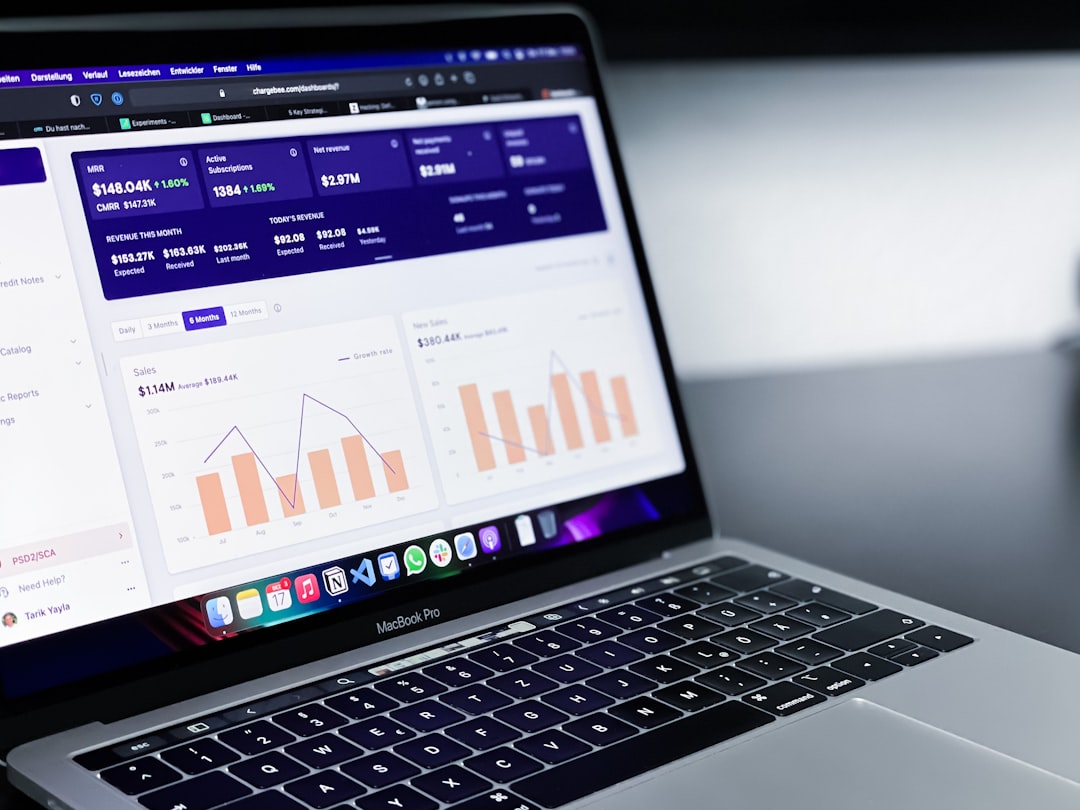
Effective IT infrastructure management isn’t possible without the right tools. Here are a few categories of tools that organizations rely on:
- Monitoring tools: Tools like Nagios, Zabbix, and Datadog provide real-time system health insights.
- Configuration management: Server and software setup can be automated using tools like Chef, Puppet, or Ansible.
- Backup and disaster recovery: Solutions such as Veeam or Acronis offer secure backup and rapid restoration capabilities.
- Security management: Firewalls, endpoint protection, and intrusion detection managed via platforms like Symantec, CrowdStrike, or Fortinet.
These platforms are vital in building an agile and responsive IT ecosystem that can withstand stress, adapt to growth, and self-correct when issues arise.
The Human Factor: Skilled IT Teams and Best Practices
While tools play a critical role, the importance of a skilled IT team cannot be overstated. A successful infrastructure management strategy depends on experienced professionals who understand both the technology and the business landscape.
Organizations must also adopt best practices in IT governance, including:
- Regular infrastructure audits
- Comprehensive documentation
- Routine stress and security testing
- Training programs for IT staff on emerging technologies

Looking Forward: The Evolution of Infrastructure Management
The future of IT infrastructure management points toward increased automation, AI-driven analytics, and an even greater emphasis on resilience. Advances in machine learning and AI will make predictive maintenance smarter and infrastructure decisions more data-driven than ever before.
Additionally, edge computing and 5G technologies will further distribute workloads closer to users, decentralizing infrastructure and reducing latency-related downtime.
As businesses grow more reliant on real-time data, uptime will increasingly become a competitive differentiator. Those who invest in strong infrastructure management today are setting the stage for efficiency, consistency, and growth tomorrow.
Conclusion: Invest in Uptime, Invest in Success
IT infrastructure management is not just a technical function—it is a strategic advantage. With the ability to improve reliability and reduce downtime by 37%, it underpins all essential business operations and digital innovation.
Whether it’s through advanced monitoring tools, redundancy protocols, or professionally managed services, the benefits of a strong infrastructure management strategy are too significant to ignore. In a landscape where system availability is directly tied to customer satisfaction and profitability, smarter infrastructure management is more than a best practice—it’s a business imperative.