

Tarot cards have fascinated people for centuries, offering insight, guidance, and spiritual connection. Whether you’re curious about uncovering mysteries of the future or simply seeking a deeper understanding of your inner self, learning to read tarot can be a rewarding journey. Though at first glance the cards may appear mysterious or overwhelming, anyone can begin reading with the right tools, patience, and a sincere approach.
TL;DR — Quick Summary
Learning to read tarot is accessible to anyone willing to study the card meanings, practice regularly, and trust their intuition. Begin by getting familiar with your deck, learning basic spreads, and paying attention to both traditional meanings and personal impressions. Start small and grow your understanding with frequent practice and journaling. It’s a deeply personal and dynamic method of self-exploration and guidance.
Step 1: Choose the Right Tarot Deck
For beginners, the Rider-Waite-Smith deck is often recommended thanks to its clear symbolism and wide usage in published materials. There are countless other decks, but starting with a traditional one helps build a solid foundation.
Consider the following when choosing a deck:
- Artwork: Find art that resonates with you emotionally and visually.
- Availability of resources: Choose a popular deck so you have access to books, courses, and community discussions.
- Card size and feel: Pick a deck you find comfortable to shuffle and handle.
Once you’ve selected your deck, take time to connect with it. Flip through the cards, observe the imagery, and take notes on your initial impressions.
Step 2: Understand the Structure of the Tarot
The tarot consists of 78 cards which are divided into two main groups:
- The Major Arcana (22 cards): These represent significant life events, spiritual themes, or archetypal energies (e.g., The Fool, The Lovers, Death).
- The Minor Arcana (56 cards): These reflect everyday situations and are divided into four suits:
- Cups: Emotions, relationships, creativity
- Pentacles: Career, finances, material aspects
- Swords: Intellect, conflict, communication
- Wands: Passion, energy, growth
Each suit contains numbered cards (Ace through 10) and four Court Cards: Page, Knight, Queen, and King. These may represent people in your life, aspects of your personality, or energies surrounding a situation.
Step 3: Learn the Meanings of the Cards
It’s essential to begin with learning the traditional meanings assigned to each card, but also remain open to your own interpretations.
Here’s how you can study them effectively:
- Use a guidebook: Most tarot decks come with an accompanying booklet explaining each card’s meaning. Supplement these with more comprehensive books or online resources.
- Study a few cards at a time: Don’t try to memorize all 78 at once. Start with the Major Arcana and go slowly.
- Keep a tarot journal: Write down your thoughts about each card, your intuitive impressions, and how you interpret them in readings.

Pay attention to symbols, colors, and positioning in the artwork. These visual cues often guide your subconscious to key insights.
Step 4: Practice Basic Tarot Spreads
Tarot readings are conducted using layouts called spreads, where the position of each card provides context for its meaning. Here are a few beginner-friendly spreads:
1. One-Card Pull
Ideal for daily reflection. Ask a simple question like, “What energy should I embody today?” and pull one card for guidance.
2. Three-Card Spread
Offers insight into:
- Past – Present – Future
- Situation – Challenge – Advice
- You – Other Person – Outcome
3. Celtic Cross (Advanced)
This 10-card spread is more complex but provides detailed information on a situation. It’s recommended for practitioners who already have some comfort with reading.
Step 5: Prepare for a Reading
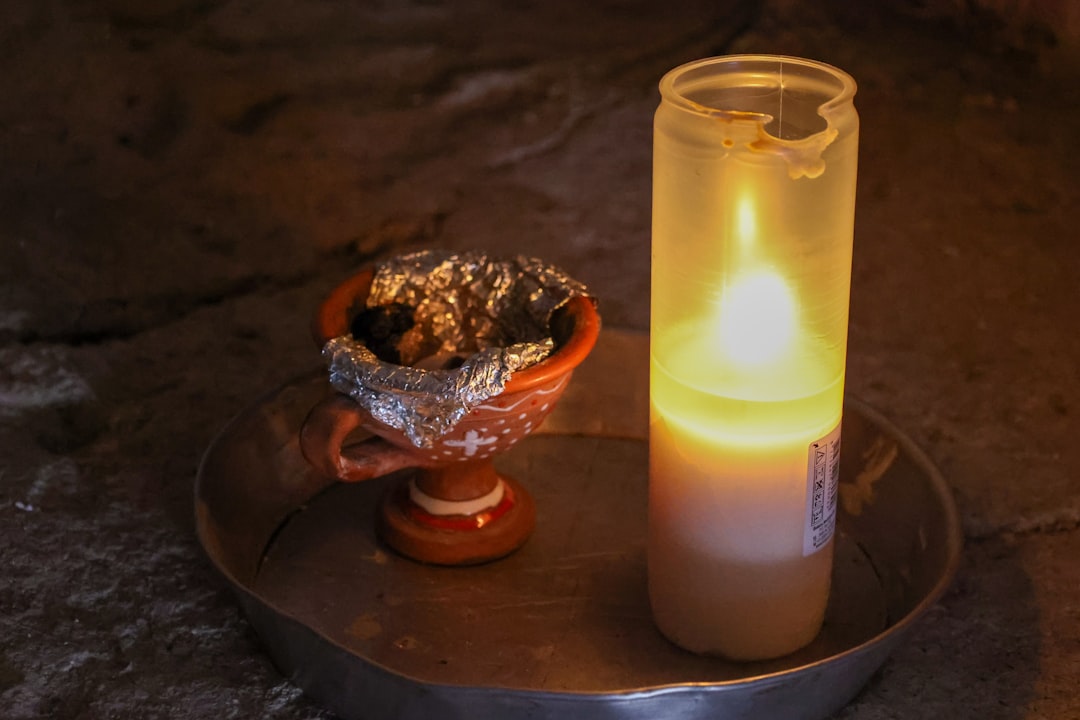
Before diving into a spread, create a focused and calm environment. You may want to light a candle, burn incense, or meditate briefly.
Then, follow these steps:
- Shuffle the cards: Concentrate on your question or intention as you shuffle.
- Cut the deck: Split the deck into three piles and reassemble as guided by your intuition.
- Draw your cards: Lay them out according to the chosen spread, face-up.
As you interpret, consider both traditional meanings and your intuitive response. Let your imagination and emotions guide you, especially when you’re still mastering formal definitions.
Step 6: Interpret with Intuition and Context
Reading tarot is not just about memorization—it’s also a reflective and intuitive process. Your insights may differ from textbook meanings, and that’s perfectly valid.
To improve your interpretation:
- Look at the cards holistically: How do the illustrations interact with each other across the spread?
- Note the suits and numbers: Multiple cards from the same suit or number range can echo similar themes.
- Stay open: Let your awareness remain flexible rather than forcing a certain narrative.
Step 7: Develop a Personal Tarot Practice
Tarot reading is a skill that grows with experience and consistency. Here’s how to build a personal practice:
- Read regularly: A daily or weekly draw helps build familiarity with your deck.
- Journal your readings: Record the question, cards drawn, interpretations, and later reflections.
- Stay curious: Explore symbolism, mythology, and psychology to deepen your understanding.
Remember, the aim isn’t always prediction, but reflection, clarity, and growth. Tarot serves as a mirror to your inner landscape and may reveal truths you hadn’t consciously recognized.
Common Beginner Mistakes to Avoid
- Rushing interpretations: Take your time to sit with each card and reflect on its meaning.
- Overreliance on guidebooks: Trust your intuition alongside traditional meanings.
- Reading for emotionally charged topics: It’s okay to ask about love or career, but avoid reading when intensely emotional. It can cloud insights.
- Comparing your journey: Every tarot reader has a unique intuitive path. Avoid constant comparison to others.
When to Read Tarot (and When Not To)
Tarot is most effective when used for self-inquiry, perspective-shifting, and planning. It is not a replacement for professional advice in areas like health, finance, or legal matters.
Don’t read when:
- You feel desperate for answers or emotionally unbalanced.
- You’ve asked the same question repeatedly in a short period.
- You expect certainty. Tarot offers guidance, not guarantees.
Conclusion
Learning to read tarot is both an art and a discipline. With care, curiosity, and continued practice, what once seemed like cryptic symbols will become a trusted source of wisdom and clarity. The path toward becoming a tarot reader isn’t about quickly mastering definitions—it’s about forging a soulful, intuitive connection with your cards.
Approach each reading with reverence, gratitude, and an open heart. Over time, the whispers of the tarot will speak more clearly through you.