

Our oceans are like giant treasure chests. They hold secrets we’re only just starting to uncover. And with the help of science, we’re finding smarter ways to use all that marine magic. Welcome to the exciting world of marine biotechnology!
TLDR: Marine biotechnology is a field that mixes ocean science and cutting-edge tech. It’s opening the door to brand-new jobs in health, food, energy, and more. If you love the sea and science, this career path is full of adventure. It’s a great field for anyone who’s curious, creative, and cares about the planet.
What Is Marine Biotechnology Anyway?
Marine biotechnology is all about taking things from the ocean — like bacteria, seaweed, and tiny creatures — and using them to solve real-world problems.
Think of it like cooking, but with sea ingredients and science instead of pots and pans. Instead of soup, you’re cooking up life-saving medicine, eco-friendly materials, or renewable energy!
Here are a few examples:
- Making medicine from sea sponges to fight cancer.
- Growing algae to create biofuel that powers cars.
- Using plankton to produce eco-friendly plastics.
It’s a mix of biology, oceanography, technology, and imagination. And the best part? It’s growing fast. That means more jobs and exciting career paths are coming to the surface.
Why Is Marine Biotechnology So Important?
We live on a blue planet. More than 70% of Earth is ocean. But we’ve only explored a small part of it.
The ocean has huge potential to help us tackle big problems on land. Like pollution, hunger, and diseases.
Here’s where marine biotech makes a splash:
- Health: New antibiotics and treatments from deep-sea organisms.
- Energy: Algae-based biofuels to replace fossil fuels.
- Food: Sustainable aquaculture to feed the world.
- Environment: Microbes that clean up oil spills or reduce plastic waste.
In short, it helps us and the planet. Sounds like a win-win, right?
Cool Marine Biotechnology Careers to Explore
So, what kind of jobs exist in this ocean-inspired field? Let’s take a dive into some of the most exciting and emerging careers!
1. Marine Biotechnologist
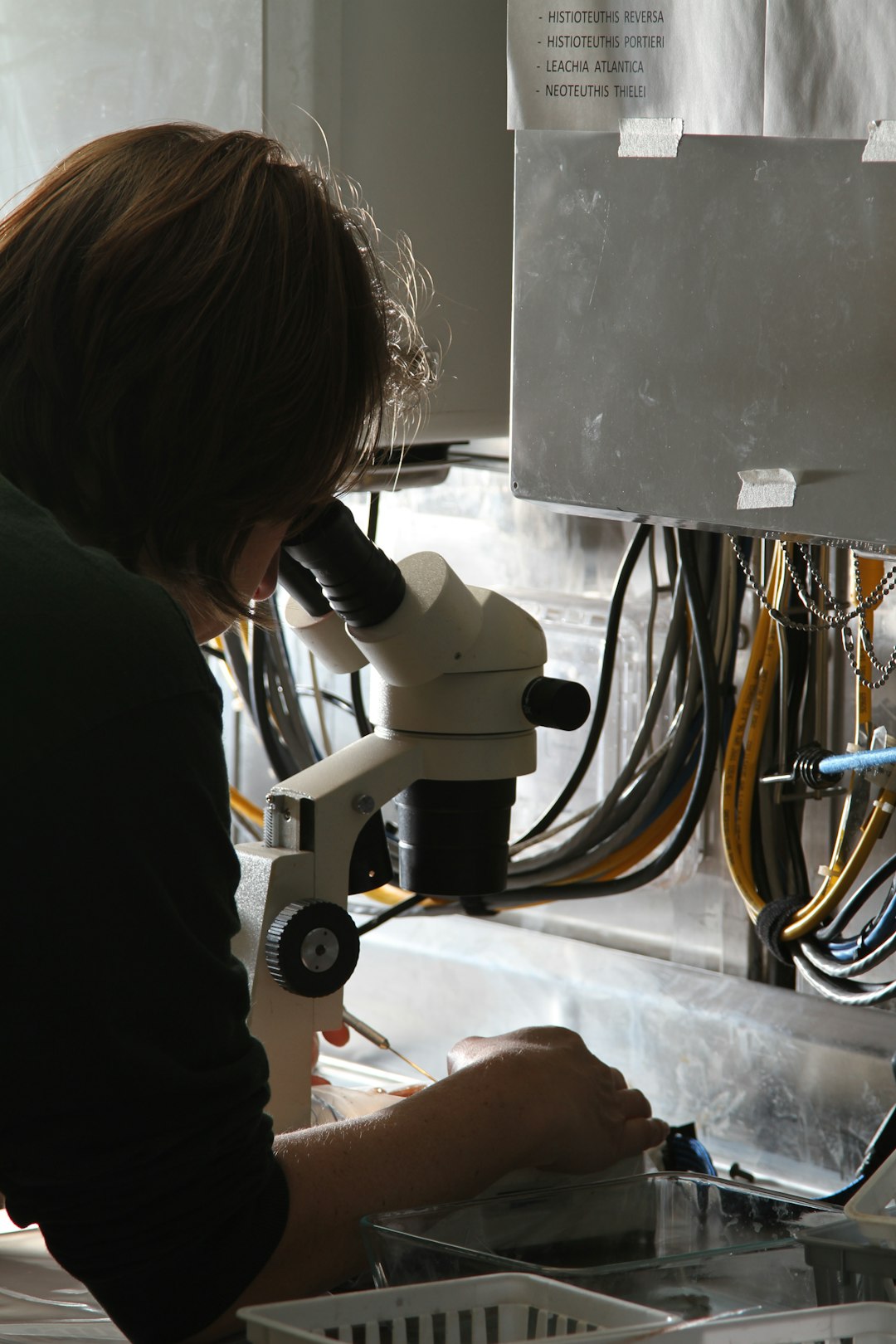
These are the scientists who do the lab work. They study marine life and test how we can use it in medicine, industry, and food.
You’d love this job if: You enjoy doing experiments, working in a lab, and discovering new things about tiny sea organisms.
2. Aquaculture Technologist
This job is all about growing fish, shellfish, and sea plants in smart, sustainable ways. It keeps seafood on our plates without harming wild species.
You’d love this job if: You’re interested in farming, biology, and sustainability.
3. Bioinformatics Specialist
Bioinformatics is where computers meet biology. In marine biotech, it means analyzing the DNA of ocean organisms.
You’d love this job if: You like computers, coding, and figuring out complex puzzles.
4. Ocean Data Analyst
This role collects and examines data from the sea to help scientists make smart decisions. They use satellites, underwater robots, and sensors.
You’d love this job if: You’re into tech, numbers, and want to understand how the ocean works.
5. Marine Natural Product Chemist
These scientists hunt for rare chemicals in sea creatures. Some of these natural compounds become new drugs or beauty ingredients.
You’d love this job if: Chemistry is your thing and you’re curious about life under the sea.
6. Biotech Business Developer
Not all marine biotech jobs involve labs or the ocean. Business developers help turn ideas into real products by teaming up with investors and companies.
You’d love this job if: You like talking to people, solving real-world problems, and bringing ideas to life.

Where Do These Jobs Take You?
Marine biotech jobs can take you across the globe. You might work at:
- Universities or research labs
- Startups and big biotech companies
- Government agencies like NOAA or NASA
- Environmental groups or think tanks
Some jobs are based in labs. Others are at sea. Some even let you work from your laptop by just analyzing data from anywhere!
What Do You Need to Get Started?
Education: The path usually starts with a degree in biology, biotechnology, marine science, or chemistry. Advanced degrees (like a Master’s or PhD) open more doors.
Skills:
- Curiosity and creativity
- Lab or computer skills
- Love of nature and the ocean
- Ability to work on a team
Pro tip: Internships and volunteering in marine labs or aquariums are awesome ways to dive in early and gain experience.
Is There Really a Future in This Field?
Yes, and it’s a big one. As our planet faces climate change and growing populations, marine biotech will play a huge role in shaping the future.
More industries — from fashion to food — are looking to the ocean for inspiration. And that means tons of new opportunities for smart, ocean-loving minds.
In fact, according to experts, the ocean economy could double by 2030. Marine biotechnology will be a big part of that growth.
Fun Facts to Impress Your Friends!
- A jellyfish protein helped scientists make fluorescent markers used in medical research.
- Algae grow 10 times faster than land plants and can produce green energy.
- Shark skin inspired swimsuits that make athletes swim faster.
Final Splash
Marine biotechnology is science with a purpose — and a splash of adventure! Whether you’re into oceans, biology, tech, or saving the planet, this field has a tide of opportunities waiting for you.
So if you’re wondering what career path to take… maybe it’s time to look toward the sea. The ocean is calling. Will you answer?