
In a world that expects same-day shipping, real-time tracking, and flawless delivery experiences, logistics route optimization platforms have become the silent engines powering modern commerce. From local courier services to global freight carriers, organizations are turning to intelligent routing systems to reduce costs, improve efficiency, and meet growing customer expectations. As delivery networks become more complex, the need for smarter planning tools has never been greater.
TLDR: Logistics route optimization platforms help businesses plan faster, smarter, and more cost‑effective delivery routes using data and advanced algorithms. They reduce fuel consumption, improve delivery times, and enhance customer satisfaction. By leveraging AI, real-time traffic data, and automation, companies can streamline operations and scale efficiently. These platforms are quickly becoming essential in modern logistics.
Understanding Route Optimization Platforms
At their core, logistics route optimization platforms are software systems designed to calculate the most efficient delivery routes based on multiple variables. These platforms analyze factors such as traffic patterns, delivery windows, vehicle capacity, fuel consumption, driver schedules, and road conditions. The goal is simple in theory yet complex in execution: deliver more in less time, at a lower cost.
Unlike traditional GPS navigation tools that focus on the fastest route from point A to point B, route optimization platforms manage entire fleets, multiple stops, and intricate constraints simultaneously. They rely on sophisticated algorithms, including variations of the classic “traveling salesman problem” and vehicle routing problem (VRP), to generate optimal paths for dozens—or even thousands—of deliveries each day.
Why Delivery Efficiency Matters More Than Ever
Delivery efficiency is no longer just a competitive advantage—it is a necessity. Businesses face increased pressure from several directions:
- Rising fuel costs and operational expenses
- Demand for same-day or next-day shipping
- Environmental regulations pushing for reduced emissions
- Driver shortages in many regions
- Customer expectations for accurate tracking and on-time arrivals
Even small inefficiencies compound quickly. A few extra miles per route, multiplied across an entire fleet over months or years, can translate into substantial costs. Route optimization platforms address these inefficiencies with precision and adaptability.
Core Features of Modern Route Optimization Platforms
Today’s solutions go far beyond basic mapping. They integrate advanced technologies that enable dynamic and responsive planning.
1. Real-Time Traffic Integration
Modern systems pull live traffic data to adjust routes instantly. If an accident or congestion occurs, the platform recalculates the route to avoid delays, helping maintain delivery windows.
2. Multi-Stop Route Planning
Rather than planning deliveries sequentially, optimization platforms evaluate all stops simultaneously. They determine the best sequence based on distance, timing constraints, and vehicle capacity.
3. Automated Dispatching
Dispatch managers can assign jobs automatically based on vehicle availability, location, and workload. Automation reduces manual errors and speeds up scheduling.
4. Fleet Tracking and Analytics
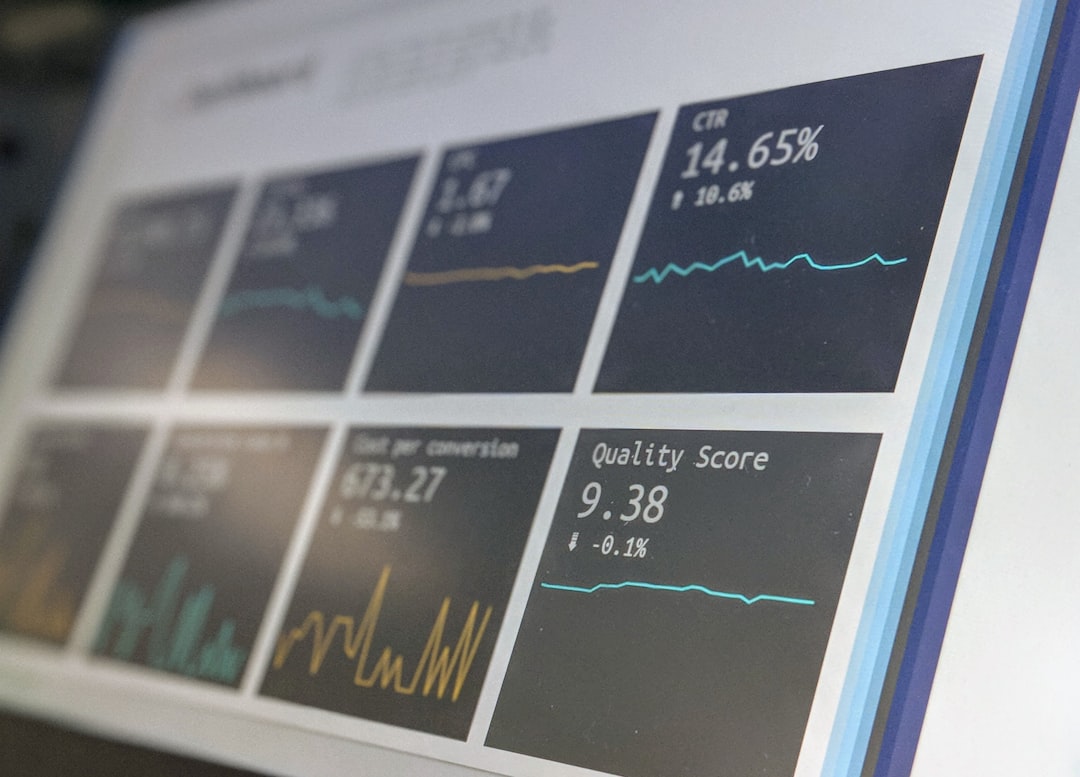
Detailed dashboards provide visibility into:
- Driver performance
- On-time delivery rates
- Fuel consumption patterns
- Route adherence
This data enables continuous improvement and better decision-making.
5. AI and Machine Learning Capabilities
Some advanced platforms use machine learning to forecast traffic patterns, predict service times, and continuously refine algorithms. The more data they process, the smarter they become.
Key Benefits for Logistics Operations
Investing in route optimization software yields measurable advantages across multiple operational areas.
Reduced Fuel Consumption
Shorter, smarter routes directly translate to lower fuel usage. Companies can reduce overall mileage by 10–30%, depending on fleet complexity.
Improved Delivery Speed and Reliability
Optimized scheduling ensures drivers arrive within promised windows. This reliability strengthens customer trust and minimizes complaints.
Lower Operational Costs
Efficiency in routing reduces overtime pay, vehicle wear and tear, and administrative workload. The cumulative financial savings can be significant.
Enhanced Customer Experience
Customers now expect transparency. Many route optimization platforms support real-time tracking links and accurate arrival estimates, improving communication and satisfaction.
Sustainability Gains
Fewer miles driven means lower carbon emissions. Businesses can support sustainability initiatives and meet environmental compliance requirements more easily.
Industries Benefiting from Route Optimization
Though commonly associated with e-commerce, route optimization platforms serve a wide variety of sectors:
- Retail and E-commerce: Managing high volumes of last-mile deliveries
- Food and Beverage: Ensuring time-sensitive shipments stay fresh
- Healthcare: Delivering pharmaceuticals and medical supplies on strict schedules
- Field Services: Coordinating technician visits efficiently
- Waste Management: Optimizing collection routes to maximize efficiency
Each industry has unique constraints, such as temperature control, regulatory compliance, or service-time variability. Advanced platforms allow customization to accommodate these needs.
The Role of Data in Route Optimization
Data is the lifeblood of any route optimization system. The quality and accuracy of inputs directly influence output performance. Key data points include:
- Geographic coordinates
- Historical traffic trends
- Vehicle specifications
- Driver availability
- Customer time windows
By centralizing and organizing this information, logistics teams can transition from reactive problem-solving to proactive planning.
Moreover, the integration of Internet of Things (IoT) devices—such as telematics sensors—enhances data precision. Vehicles can transmit real-time location, speed, fuel levels, and maintenance diagnostics, further refining route decisions.

Overcoming Implementation Challenges
Despite clear benefits, deploying route optimization platforms can present challenges.
Resistance to Change
Drivers and dispatchers accustomed to manual planning may initially resist automated systems. Training and transparent communication help ease the transition.
Integration with Existing Systems
Companies often rely on legacy logistics, ERP, or warehouse management systems. Successful integration ensures smooth data flow between platforms.
Data Accuracy Issues
Incomplete or outdated information can compromise optimization accuracy. Regular data validation processes are essential.
Organizations that address these hurdles strategically often experience a smooth adoption process and rapid return on investment.
The Future of Logistics Route Optimization
The future of route optimization is closely tied to emerging technologies. Several trends are shaping the next generation of platforms:
- Autonomous Vehicles: Systems will need to coordinate self-driving delivery fleets.
- Drone Deliveries: Optimization algorithms must expand into three-dimensional routing models.
- Predictive Analytics: Anticipating disruptions before they occur.
- Electric Vehicle Integration: Accounting for battery range and charging station locations.
Additionally, urbanization continues to complicate last-mile logistics. Smart cities equipped with connected infrastructure may eventually share data directly with route optimization platforms, enabling hyper-precise navigation.
Choosing the Right Platform
When evaluating route optimization solutions, businesses should consider:
- Scalability to handle future growth
- User-friendly interfaces for dispatch teams
- Customization options
- Robust reporting and analytics
- Reliable customer support
Equally important is aligning the technology with strategic goals. Are you aiming to reduce emissions? Increase same-day delivery capacity? Improve driver productivity? The platform selected should support these priorities.
Conclusion
Logistics route optimization platforms are transforming delivery operations by replacing guesswork with intelligent automation. In an industry where margins are tight and customer expectations are high, efficiency can mean the difference between growth and stagnation. These platforms provide the visibility, control, and adaptability needed to thrive in complex delivery environments.
As technology continues to evolve, route optimization will move beyond simple mapping to become a predictive, dynamic system that anticipates challenges before they arise. Organizations that embrace these tools today position themselves to lead tomorrow’s logistics landscape—with faster deliveries, lower costs, and more satisfied customers.